

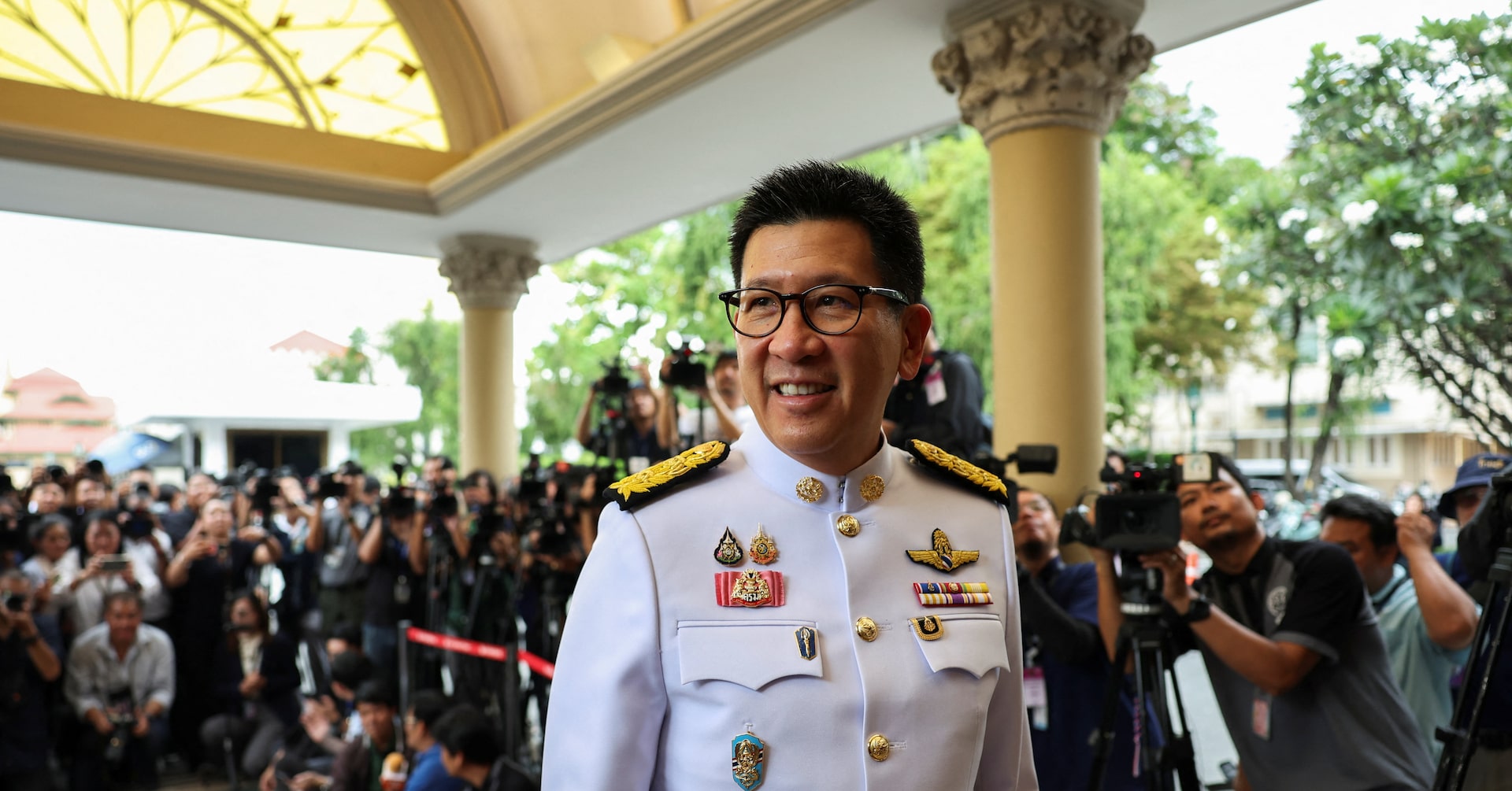
Thailand Emphasizes Debt Relief in Economic Strategy
In a pivotal policy announcement, Thailand’s newly appointed Finance Minister and Deputy Prime Minister, Ekniti Nitithanprapas, declared that the government will make debt relief a central focus of its strategy to revitalize the nation’s economy. The statement was made following a successful general election that signaled a shift in the country’s political landscape.
New Leadership Aims for Economic Revival
Prime Minister Anutin Charnvirakul’s unexpected triumph in the recent election has instilled optimism in both domestic and international markets. With a strong coalition government likely to be formed, the administration is poised to implement robust economic policies aimed at stabilizing and accelerating growth in Southeast Asia’s second-largest economy.
“We will focus on debt relief measures,” Ekniti told reporters during his first press briefing after taking office. This focus reflects a broader effort to address the country’s long-standing financial vulnerabilities, particularly its burdensome household debt and sluggish economic performance.
Challenges Confronting the Thai Economy
Thailand’s economy has been grappling with several challenges in recent years. Among them are a persistently high level of household debt, a strong baht currency that hampers exports, and the lingering effects of U.S. tariffs. Political instability has further exacerbated the situation, deterring investment and undermining consumer confidence.
Despite these hurdles, the finance minister expressed cautious optimism. Ekniti noted that Thailand’s fourth-quarter growth for 2025 is projected to exceed 1.8%, and the full-year gross domestic product (GDP) is expected to grow by more than 2.2%.
Coalition Stability Is Key to Policy Success
The strength and durability of the incoming coalition government will be critical to the success of these economic initiatives. Ekniti emphasized that stable governance is essential to maintaining investor confidence and ensuring the smooth implementation of fiscal policies. A cohesive coalition, he noted, would enhance Thailand’s ability to enact reforms and navigate global economic headwinds.
Political analysts agree that the formation of a reliable government could mark a turning point for Thailand, which has experienced frequent changes in leadership over the past decade. With a unified government, the country would be better equipped to manage both domestic economic issues and international trade relations.
Introducing Carbon Credit Trading
In addition to debt relief, the finance minister announced that Thailand will allow the trading of carbon credits as part of its commitment to environmental sustainability. This move aligns with global efforts to combat climate change and reduce carbon emissions through market-based mechanisms.
The carbon credit trading system is expected to attract green investments and encourage businesses to adopt more sustainable practices. Environmental groups and industry stakeholders have welcomed the initiative, suggesting it could enhance Thailand’s reputation as a forward-looking economy in the region.
Economic Outlook and Future Plans
Although the current economic indicators remain modest compared to regional peers, the new administration is hopeful that targeted measures like debt relief, coupled with fiscal reform and sustainable development policies, will stimulate growth.
“We are working on a comprehensive economic recovery plan that includes both short-term relief and long-term structural adjustments,” Ekniti said. The strategy is expected to include incentives for small and medium enterprises (SMEs), infrastructure investments, and efforts to broaden the tax base.
Experts suggest that if effectively implemented, these policies could help Thailand overcome its cyclical downturns and position itself as a more resilient economy in the post-pandemic world.
Public and Market Reaction
The announcement has been met with cautious optimism among the public and financial markets. Investors are watching closely to see whether the government can follow through on its promises and implement policies that will yield tangible results.
Debt relief is particularly significant for Thai households, many of which are burdened with loans that limit their purchasing power and savings. By easing this debt load, the government hopes to spur consumer spending and revive domestic demand.
The finance ministry has yet to release detailed plans on how the debt relief measures will be rolled out, but officials indicate that more information will be made available in the coming weeks.
This article is inspired by content from Original Source. It has been rephrased for originality. Images are credited to the original source.