

Personal Finance Education Becomes Mandatory in Minnesota
High school students across Minnesota are experiencing a significant change in their graduation requirements. As of the new academic year, a personal finance course has become a mandatory component for graduation, thanks to recent legislation. This move aims to equip students with essential financial knowledge and skills before they step into adulthood.
Shifting from Elective to Essential
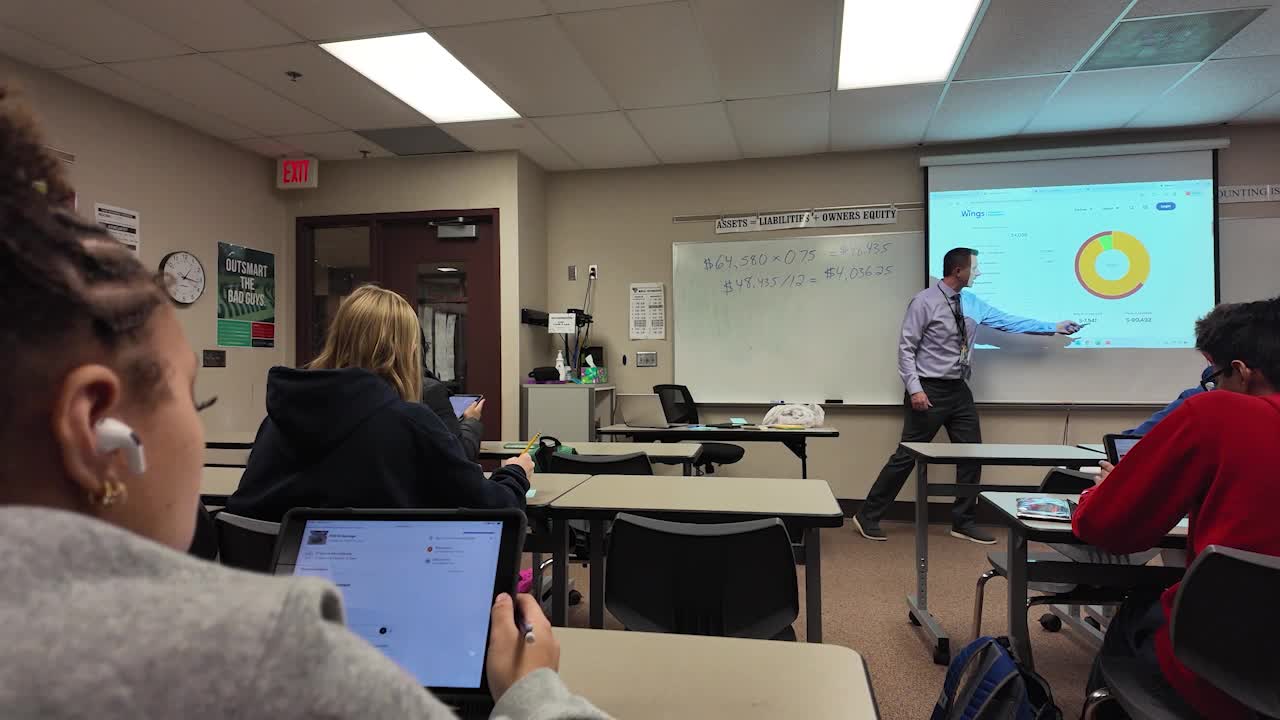
Previously, personal finance was offered as an elective in many Minnesota high schools. Now, it is a required course that all students must complete to earn their diploma. At Eagan High School, students are already benefiting from early exposure to the subject. On a recent visit, students were seen actively participating in lessons about money management, budgeting, and investing.
Senior Hailey Santos shared her perspective: “Thanks to my teacher and the knowledge that I have now, I would have never thought of doing that before—opening up a Roth IRA, doing all the things you need to do when you turn 18. It’s crucial.”
Malia Fang, a sophomore, added, “I think it’s definitely super helpful for the future.”
Comprehensive Curriculum Covers Real-Life Skills
The new personal finance curriculum covers a broad array of topics, preparing students to handle real-world financial situations. The course includes:
- Income planning
- Understanding taxes
- Managing debt
- Insurance literacy
- Investing basics
While some students admit to feeling overwhelmed by the scope of financial responsibilities awaiting them, many recognize the long-term benefits. Fang commented, “Right now it’s definitely a little overwhelming, learning about all the finances I’ll need to manage. But I think it’s preparing me well.”
Active Engagement and Practical Applications
According to Abby Osborn, a personal finance teacher at Eagan High School, students are more engaged than anticipated. “They engage with the material because they realize it’s something they’re actually going to use,” Osborn explained. She recounted how students became particularly interested in understanding health insurance topics such as copays, deductibles, and hospital costs. “I wouldn’t have thought that kids would be super excited about health insurance, but they got really into it,” Osborn said.
Hands-on activities and simulations make the course even more relevant. Fang described a recent classroom exercise: “We did a simulation about different types of insurance and things that can happen—like your car breaks down and you need to pay $600. That’s very realistic.”
Building Financial Literacy for the Future
Staff at Eagan High School and educators statewide believe that early financial education is invaluable, regardless of a student’s intended career path. The skills gained from learning about budgeting, saving, and investing will serve students well into adulthood. “They generally realize that it’s going to be important for them in the future,” Osborn said.
Santos emphasized the importance of planning: “If you set yourself up for a certain plan, a certain outcome will come out of it. You just have to stay on track.”
A Model for Other States?
Minnesota’s decision to make personal finance a graduation requirement reflects a growing trend across the nation. As financial literacy becomes a higher priority in education policy, more states may follow suit, ensuring that the next generation is better prepared to manage their finances and avoid common pitfalls like debt and poor credit management.
For Minnesota students, this shift represents a proactive step toward financial independence and security. By making personal finance education accessible and mandatory, schools are empowering students with knowledge that will benefit them for years to come.
This article is inspired by content from Original Source. It has been rephrased for originality. Images are credited to the original source.