

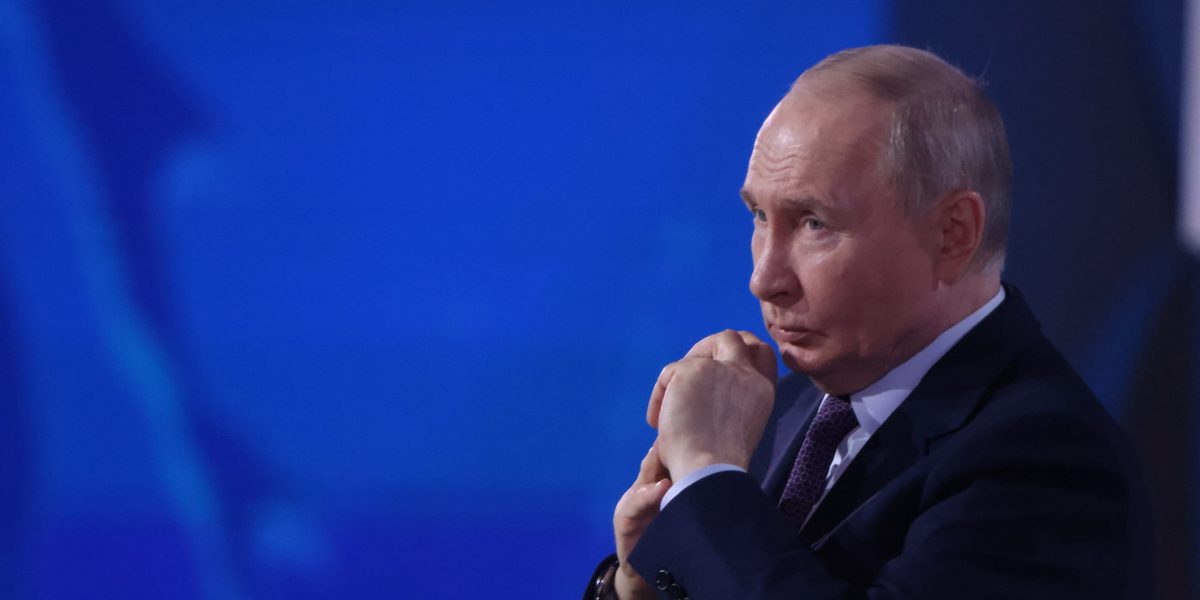
Putin Admits Russia’s Economic Struggles
Russia economic crisis has become a pressing concern as President Vladimir Putin openly acknowledged the country’s economic downturn during a televised meeting with top officials. After months of mounting warnings about a looming financial crisis, Putin expressed frustration with his aides, urging them to provide concrete solutions to reverse the negative trajectory.
In the televised session, Putin revealed that Russia’s GDP contracted by 1.8% over January and February 2026. Key sectors such as manufacturing, industrial production, and construction were all in decline. He stated, “I expect to hear detailed reports today on the current economic situation and why the trajectory of macroeconomic indicators is currently below expectations—not just those of experts and analysts, but also those of the government and the central bank.”
Sanctions, War, and Economic Headwinds
Putin’s war in Ukraine continues to exert a heavy toll on the Russian economy. The conflict, combined with persistent Western sanctions, has kept inflation elevated and the labor market extremely tight. The Russia economic crisis could mark the first major contraction since 2022, when sanctions severely reduced Russia’s energy exports.
Despite robust military spending fueling GDP growth of 4.1% in 2023 and 4.9% in 2024, recent figures show stagnation. The government reported only 1% growth last year and had predicted 1.3% for 2026, but these targets now seem out of reach. Moscow has been forced to cut defense spending due to weak oil revenues and growing budget deficits.
In the first quarter of 2026 alone, the Russian government’s budget deficit widened to $58.6 billion, with oil tax revenues in March halved compared to the previous year. While the war between Iran and other nations contributed to soaring oil prices—and the U.S. administration lifted some sanctions on Russian oil—Russia has struggled to capitalize fully due to ongoing Ukrainian drone attacks on its key export hubs.
Labor Shortages and a New Economic Reality
Central Bank Governor Elvira Nabiullina highlighted a historic shift in Russia’s labor market, noting the unemployment rate is at a record low of 2%. The war has created acute labor shortages, forcing employers to compete for a dwindling pool of workers. “This is a new reality for government and business alike,” Nabiullina remarked. She emphasized that while previous economic downturns were linked to temporary external shocks, current conditions signal a more persistent and systemic challenge affecting both exports and imports.
Financial Crisis Warnings Intensify
High inflation and tight labor markets have kept Russia’s benchmark interest rates elevated, causing further strain on the economy. Though the central bank has made modest reductions, the impact has been limited. Earlier this year, officials warned President Putin that without decisive action, a full-blown Russia economic crisis could hit by the summer, driven by surging inflation and weakened consumer demand.
As companies face higher borrowing costs and declining sales, more workers are experiencing unpaid wages, furloughs, or reduced hours. These pressures are making it increasingly difficult for Russian consumers to service their loans, raising fears of a cascading crisis within the financial sector.
Anonymous officials have voiced concerns about a potential banking crisis. “A banking crisis is possible. A nonpayments crisis is possible. I don’t want to think about a continuation of the war or an escalation,” one told the Washington Post. State-backed think tanks and banking leaders have echoed these warnings, predicting a possible debt crisis and rising pre-default risks among Russian companies if conditions do not improve.
The Road Ahead for Russia’s Economy
With mounting external pressures, restricted exports, and persistent labor shortages, the outlook for the Russian economy remains uncertain. If the government and central bank cannot stabilize key indicators and restore confidence, the Russia economic crisis may deepen further, with broad repercussions for both businesses and ordinary citizens. As international conditions evolve and internal challenges mount, Russia faces a pivotal moment to redefine its economic strategy and navigate through one of its most turbulent periods in recent history.
This article is inspired by content from Original Source. It has been rephrased for originality. Images are credited to the original source.