

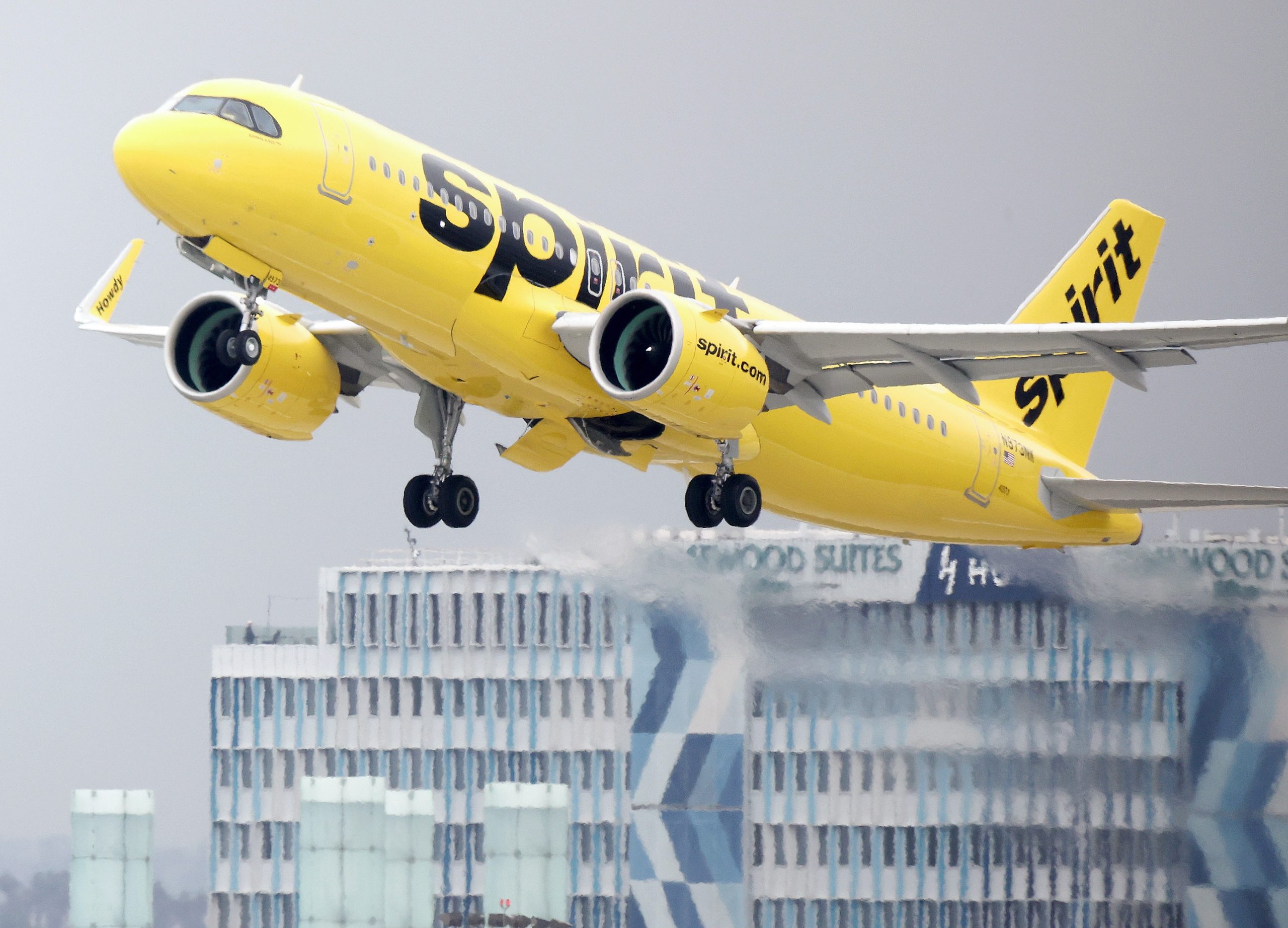
Spirit Airlines Announces Complete Shutdown
Spirit Airlines ceases operations after years of mounting financial pressures and failed attempts at rescue. The ultra-low-cost carrier, once a pioneer in budget air travel, has officially ceased all flights effective immediately. This move follows a series of escalating challenges, including unsuccessful bailout negotiations and increased industry competition.
Years of Struggles and Failed Bailout Talks
Spirit Airlines, headquartered in South Florida, has faced financial headwinds for several years. The airline filed for bankruptcy twice since 2024, each time attempting to restructure and emerge as a leaner competitor within the U.S. airline industry. Most recently, Spirit sought a $500 million federal bailout from the White House. Despite ongoing negotiations, no agreement was reached, leaving the airline with no alternative but to cease operations.
“It is with great disappointment that on May 2, 2026, Spirit Airlines started an orderly wind-down of our operations, effective immediately,” the company announced. “All flights have been cancelled, and customer service is no longer available. We are proud of the impact of our ultra-low-cost model on the industry over the last 34 years and had hoped to serve our Guests for many years to come.”
Rising Costs and Industry Shifts
One of the main catalysts for Spirit Airlines’ downfall was the dramatic increase in jet fuel prices, largely attributed to the ongoing war in Iran. The conflict sent the price of jet fuel soaring, significantly raising operating costs for all airlines. However, Spirit Airlines ceases operations not just because of external pressures but also due to strategic challenges within the industry. Larger legacy airlines began adopting similar cost-cutting strategies, introducing “basic economy” fares that directly competed with Spirit’s core business model.
Spirit’s reliance on a low-cost advantage became less effective as competitors matched their pricing while offering more robust service. Shye Gilad, a former airline pilot and business professor, explained, “When you’re a low-cost carrier, by definition, you’re relying on having a cost advantage. And they just don’t have that anymore.”
Competition and Blocked Mergers
In an effort to survive, Spirit Airlines attempted to merge with JetBlue, accepting a $3.8 billion offer after a competitive bidding process in 2023. However, the U.S. Justice Department intervened, arguing that the merger would harm budget-conscious consumers. A federal judge ultimately rejected the acquisition, sealing Spirit’s fate and removing a potential lifeline for the struggling carrier.
With the blocked merger and failed bailout, Spirit Airlines ceases operations in the face of insurmountable challenges. The airline’s market share had already slipped from 5.1% to 3.9% between early 2025 and 2026, with projections suggesting a further drop to just 1.8% by May 2026.
Impact on the Airline Industry and Consumers
Spirit Airlines’ exit from the market is expected to have ripple effects throughout the airline industry. As the ninth-largest U.S. airline by seat capacity, Spirit played a crucial role in keeping fares low by providing competition on key routes. Consumer advocates warn that without Spirit, prices on these routes could rise, impacting travelers nationwide.
“You do not have to fly a small carrier in order to benefit from its presence, because they will bring down the big guys’ fares,” noted William McGee, a senior fellow at the American Economic Liberties Project. The absence of Spirit’s ultra-low-cost competition could lead to higher fares for everyone.
Failed Rescue and Final Days
In the weeks leading up to the shutdown, Spirit Airlines was in talks with the Trump administration about a potential rescue deal. The proposed agreement would have seen the federal government provide a $500 million cash infusion in exchange for an equity stake in the airline. However, disagreements within the administration and concerns about the deal’s viability led to its collapse. President Trump stated, “If we can help them, we will. But we have to come first. We’re first.”
As Spirit Airlines ceases operations, the airline leaves behind a legacy of innovation in low-cost air travel, but also serves as a cautionary tale about the volatility of the industry and the challenges of sustaining a cost-leadership strategy in a rapidly evolving market.
Looking Ahead for Budget Travelers
The shutdown of Spirit Airlines marks the end of an era for budget travelers and raises questions about the future of affordable air travel in the United States. As industry dynamics continue to shift, consumers and competitors alike will be watching to see how the absence of Spirit’s aggressive pricing strategies will affect the overall market.
This article is inspired by content from Original Source. It has been rephrased for originality. Images are credited to the original source.