

Introduction: Rethinking Water Infrastructure with Nature-Based Finance
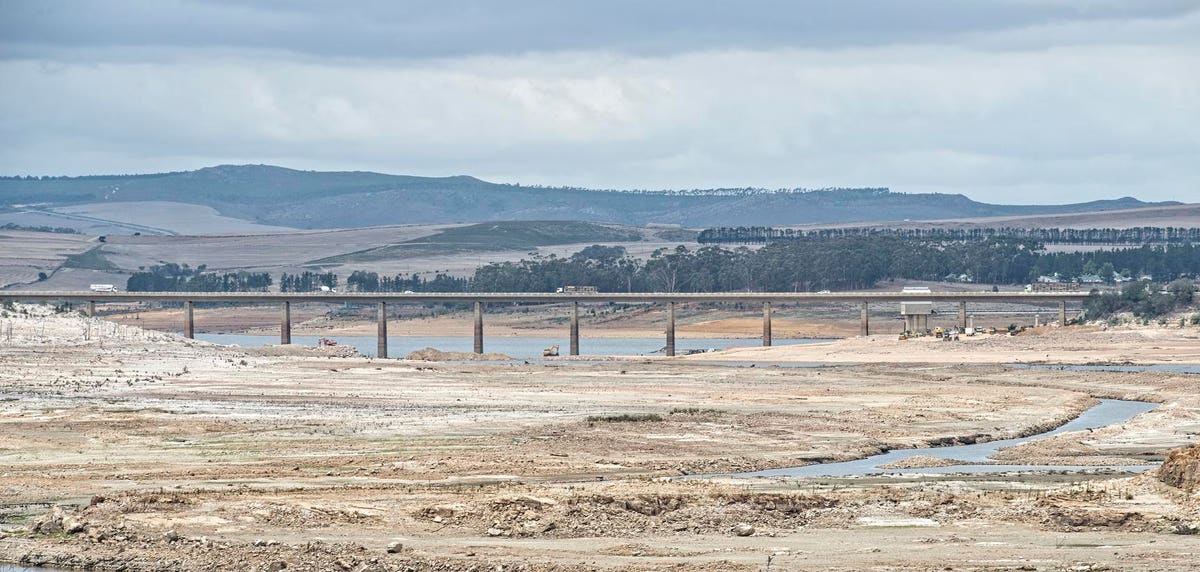
As the world grapples with climate change and mounting water crises, innovative financing models are emerging to address water security challenges. Nature-based finance is increasingly recognized as a powerful approach for funding critical water infrastructure projects, blending environmental stewardship with financial innovation. The Cape Town water crisis of 2018 served as a stark warning of what happens when nature’s role in water systems is overlooked—and now, new strategies are reshaping the future of water management.
The Cape Town Water Crisis: A Watershed Moment
Back in 2018, Cape Town, South Africa, nearly became the first major city to run out of water. Years of drought, a growing population, and increased demand brought the city to the brink of “Day Zero”—the point when municipal water supplies would be so depleted that taps would be shut off. Emergency measures were put in place: water use was strictly limited, public campaigns encouraged conservation, and non-essential uses like pool filling and car washing were banned. These urgent efforts, though successful in averting disaster, highlighted the vulnerability of traditional water infrastructure and the need for resilient, sustainable solutions.
Recognizing Nature as Essential Water Infrastructure
Traditionally, water infrastructure has been associated with physical assets like pipes, dams, and treatment plants. Yet, the landscapes that capture, filter, and store water—forests, wetlands, and healthy ecosystems—are just as vital. In Cape Town, invasive species such as pine and eucalyptus trees were found to consume vast amounts of water, reducing the city’s supply and increasing wildfire risks. Removing these invasive plants became a key priority, demonstrating the importance of nature-based finance in restoring and protecting natural water sources.
Innovative Financing: The Cape Water Performance-Based Bond
To address these challenges, a groundbreaking financial instrument was introduced: the Cape Water Performance-Based Bond. This five-year, outcomes-linked bond, valued at R2.5 billion (approximately USD $150 million), was listed on the Johannesburg Stock Exchange. It brings together public institutions, philanthropic organizations, conservation experts, and private investors to support nature-based solutions at scale.
What sets this bond apart is its focus on measurable ecological outcomes. Investor returns are directly tied to the verified success of environmental restoration efforts, such as clearing invasive alien plants from critical watersheds. This approach moves beyond traditional “use-of-proceeds” models by ensuring that financial rewards are contingent on the actual delivery of environmental benefits. The Nature Conservancy’s South Africa Program plays a crucial role in implementing and verifying these outcomes, making nature-based finance not just a theory, but a proven, accountable practice.
The Impact of Nature-Based Finance in Action
The Greater Cape Town Water Fund, created by The Nature Conservancy and local partners, illustrates the effectiveness of this model. By systematically removing invasive species, the fund has already restored tens of thousands of hectares of land and recaptured billions of liters of water annually for the city. For instance, analysis shows that clearing invasive plants across priority sub-watersheds could return around 55 billion liters of water per year to the region—about one-third of Cape Town’s yearly municipal water usage. These efforts are not just environmentally significant; they also create jobs, reduce wildfire risk, and protect biodiversity, showcasing the multifaceted benefits of nature-based finance.
A Global Blueprint for Conservation and Sustainable Finance
The Cape Water bond is a model for conservation finance worldwide. By leveraging commercial capital, philanthropic backing, and rigorous outcome verification, it demonstrates how public and private sectors can collaborate to achieve environmental and economic resilience. Similar approaches are being explored globally, such as sovereign nature bonds and debt conversions in countries like Seychelles and Barbados, expanding the reach of nature-based finance beyond Africa.
As global demand for water security and climate resilience grows, financial systems that recognize and invest in nature’s services are essential. The Cape Town experience proves that blending scientific rigor with financial incentives can drive the large-scale impact needed to safeguard both people and the planet.
Conclusion: The Future of Water Infrastructure Funding
Nature-based finance is revolutionizing how communities approach water infrastructure. By tying investment to ecological performance, these innovative models ensure that financial markets play an active role in conservation and resilience-building. As more regions adopt outcome-driven approaches, the future of water infrastructure funding looks not only more sustainable but also more effective in protecting vital resources for generations to come.
This article is inspired by content from Original Source. It has been rephrased for originality. Images are credited to the original source.