

Norway’s Wealth Fund at a Crossroads
Norway’s $2.2 trillion sovereign wealth fund, the largest in the world, is at the center of a heated debate regarding ethical divestments transparency. As global investors look to this fund as a benchmark for responsible investing, a government commission is currently reviewing the ethical guidelines that dictate when and how the fund should divest from companies over issues such as human rights violations and environmental harm. Should the fund openly disclose its reasons for divesting, or is there value in keeping certain decisions less transparent? This critical question is now a focal point for Norway’s financial and political leaders.
The Roots of Ethical Investing in Norway
Established in the 1990s, Norway’s sovereign wealth fund is guided by strict ethical standards set by parliament. These rules prohibit investment in companies linked to human rights abuses, severe environmental damage, and other serious misconduct. Over the years, this transparency in ethical divestments transparency has set a global precedent, providing valuable insights for both the public and other institutional investors around the world.
However, recent international controversies have brought these rules under scrutiny. In November, the Norwegian parliament voted to pause all ethical divestments and ordered a comprehensive review of the guidelines. This decision followed intense criticism from U.S. officials over the fund’s divestment from Caterpillar due to concerns about the use of its equipment in conflict zones. With more than half of the fund’s assets invested in the U.S., some opposition voices feared political repercussions could threaten the fund’s stability.
Concerns Over Transparency and Influence
Transparency has long been a hallmark of the fund’s operations. Traditionally, recommendations for divestment were made by the Council on Ethics, an independent body conducting extensive investigations. Once the fund acted on these recommendations, the council would publish detailed reports explaining the rationale behind each decision. This process ensured that ethical divestments transparency was maintained and that other investors could learn from Norway’s approach.
But the current suspension has raised alarms among civil society groups and sustainable finance advocates. According to Ingunn Eriksen, an advisor at the Norwegian union Fagforbundet, “The strength of the fund has been its openness, with thorough reasonings and documentation. If that disappears, it will be difficult for others to learn from it.”
Lucy Brooks, a sustainable finance adviser at the environmental organization Framtiden I Vaare Hender, echoed these concerns. She noted that international investors, including leading Danish pension funds, often look to Norway’s fund for guidance on ethical exclusions. “It has been a beacon of information and openness,” Brooks said. Without this level of transparency, she warned, the impact of ethical divestments could be significantly reduced on a global scale.
Balancing Transparency and Practicality
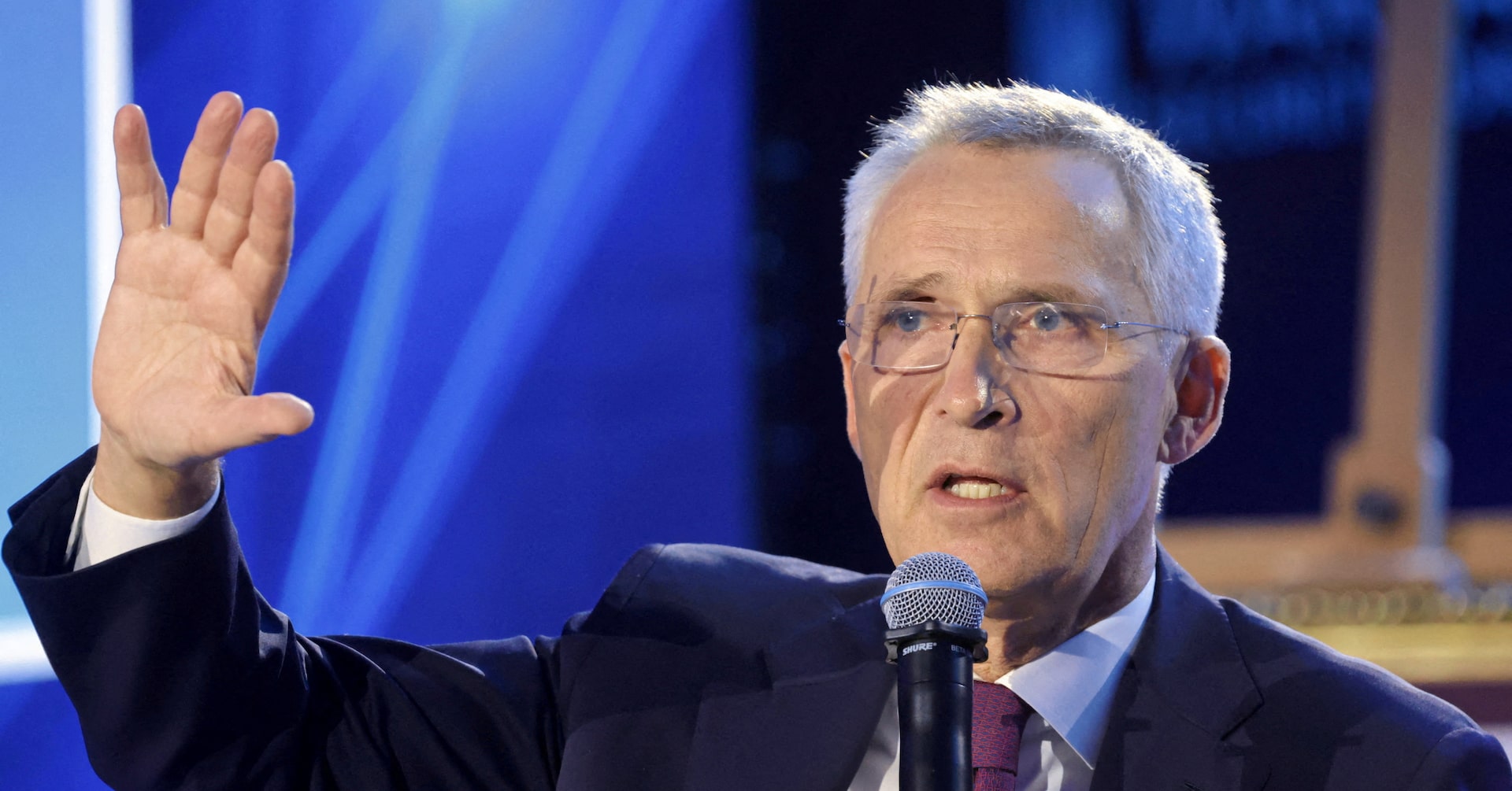
Finance Minister Jens Stoltenberg acknowledged the complexity of the situation. “It is not just about divesting, one must publish a reason,” he stated. However, Stoltenberg admitted that explaining the rationale for every divestment can create dilemmas, especially when the fund’s vast holdings include major U.S. technology companies such as Nvidia, Meta, and Amazon. He explained that divesting from these giants could fundamentally alter the nature of the fund, which is designed to be a broadly diversified index fund.
Stoltenberg emphasized that the current pause was necessary as the fund finances a quarter of Norway’s public spending. He reassured that while the ethical rules themselves are not in question, the process for communicating divestment decisions may need adjustment. The government maintains that the review is not an attempt to appease foreign powers, but rather a step to ensure the fund’s continued effectiveness and integrity.
The Future of Ethical Divestments Transparency
As the commission prepares its recommendations for the autumn, the future of ethical divestments transparency in Norway’s wealth fund remains uncertain. The head of the commission has not commented publicly, and fund CEO Nicolai Tangen has indicated that the fund will wait for the commission’s findings before taking a stance on future transparency measures.
What is clear is that the outcome of this review will have far-reaching implications—not only for Norway, but for global standards in responsible investing. The world will be watching to see whether Norway continues to set the bar for ethical divestments transparency, or if new challenges prompt a shift in policy.
This article is inspired by content from Original Source. It has been rephrased for originality. Images are credited to the original source.