

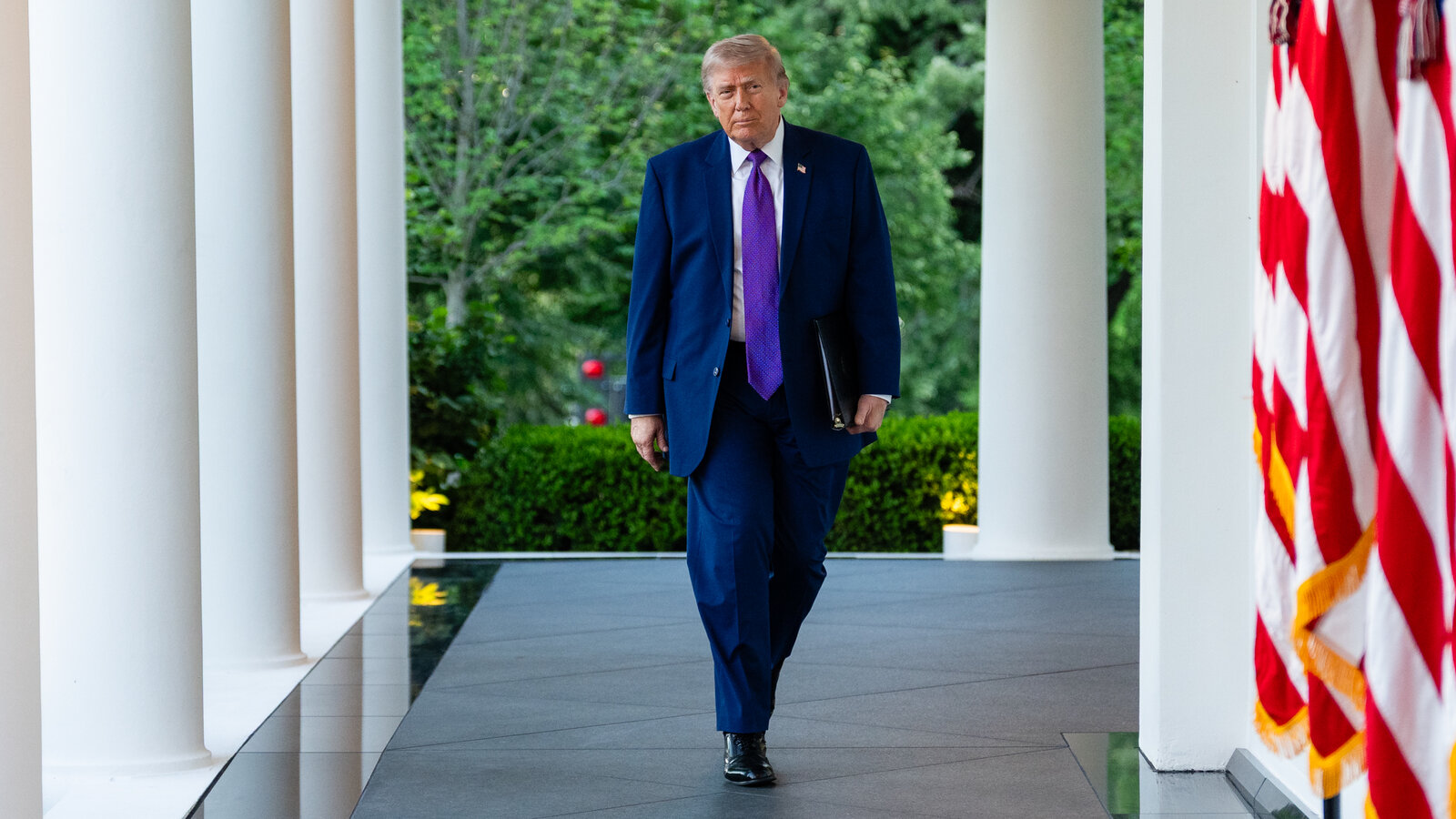
Trump’s Iran Comments Ignite GOP Economic Anxiety
Former President Donald Trump’s recent remarks about Americans’ financial concerns have sparked fresh debate within the Republican Party, intensifying anxieties as the midterm elections approach. When questioned about whether the rising cost of living or Americans’ economic struggles motivated his approach to ending the conflict with Iran, Trump responded bluntly: “Not even a little bit. I don’t think about Americans’ financial situation. I don’t think about anybody. I think about one thing: We cannot let Iran have a nuclear weapon. That’s all.”
This response, reported by Erica Green and widely circulated online, starkly defied the traditional political wisdom that voters prioritize economic issues and want leaders who empathize with their daily struggles. Trump’s single-minded focus on foreign policy, rather than domestic economic pain, is raising concerns among Republican strategists and lawmakers who fear the impact on the party’s prospects in the upcoming midterm elections. The focus_keyword, GOP economic concerns, has become central to the current political discourse.
Economic Pressures Weigh on the Republican Party
Recent polling underscores the challenge facing Trump and the GOP. According to a CNN survey, 77 percent of Americans—among them a majority of Republicans—believe that Trump’s policies have contributed to rising living costs in their communities. Inflation surged by 3.8 percent in April, marking the fastest annual increase since May 2023. This spike is attributed in part to the ongoing conflict in the Middle East, which is driving up prices for American households and fueling GOP economic concerns.
Republican lawmakers are increasingly vocal about their discomfort with the current economic trajectory and the administration’s response to inflation. Congressional Republicans are ramping up pressure for a resolution to the Iran conflict, hoping that ending hostilities could alleviate some of the inflationary pressures on American families. However, Trump’s public statements and his focus on other issues—such as a series of Truth Social posts addressing grievances and conspiracy theories unrelated to the economy—have done little to reassure voters that the GOP is prioritizing their financial wellbeing.
Midterm Election Stakes and GOP Strategy
Veteran Republican pollster Whit Ayres articulated the party’s core electoral strategy: “President Trump was re-elected for four reasons: to improve the economy, to bring down inflation, to control illegal immigration, and to get away from woke culture. Anything that works against any of those four goals is not helpful.”
The current inflation trend is therefore a significant obstacle for the GOP, intensifying GOP economic concerns ahead of November’s midterm elections. Trump’s approach risks alienating voters who are most concerned about rising prices and economic uncertainty. As Ayres notes, “There’s no question that there’s a strong relationship between the president’s job approval and his party’s performance in the House.” Should economic discontent persist, it could undermine Republican hopes of retaining or expanding their congressional majority.
Redistricting and Short-Term Political Wins
Despite the economic headwinds, Republicans have found some reason for optimism in recent redistricting developments. Favorable court rulings have allowed GOP-led legislatures to redraw congressional maps across the South, potentially shoring up Republican representation in the House. These changes may offer short-term gains, but strategists caution that they do not offset the broader threat posed by negative GOP economic concerns among voters.
Trump, meanwhile, continues to court international headlines, arriving in Beijing for a two-day summit with Chinese leader Xi Jinping. The coming weeks will see several key primaries, providing a litmus test for Trump’s influence and the resonance of his policies within the Republican Party. Yet, as pollster Ayres observes, “The longer-term forces are obviously not promising, with increasing inflation and declining job approval on the part of the president.”
Conclusion: Economic Issues Remain at the Forefront
As the midterms draw nearer, GOP economic concerns are likely to dominate both campaign messaging and voter sentiment. Trump’s willingness to sideline Americans’ financial worries in pursuit of foreign policy objectives presents a risky strategy for the party. If inflation remains high and cost-of-living issues persist, Republicans may find it increasingly difficult to convince voters that their priorities align with those of everyday Americans.
This article is inspired by content from Original Source. It has been rephrased for originality. Images are credited to the original source.