

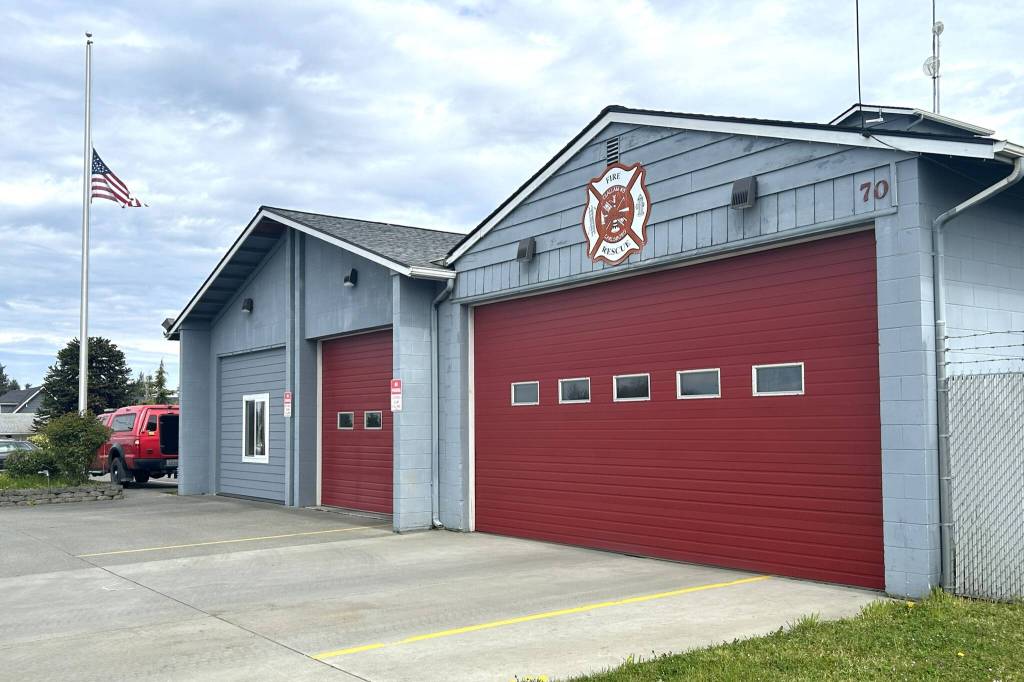
Fire District 3 Evaluates New Station Funding Strategies
Fire District 3 is currently considering a range of fire station financing options as it seeks to move forward with a critical infrastructure project—a brand-new fire station estimated to cost $6.2 million. With growing community needs and aging facilities, district leaders are exploring the most viable ways to secure funding and provide improved emergency services to residents.
Assessing Community Needs and Station Requirements
District officials have identified the necessity for a new fire station due to increased call volumes, population growth, and the limitations of existing structures. The planned station is expected to enhance response times and provide modern amenities for firefighters and paramedics. As Fire District 3 weighs its fire station financing options, it is also engaging with community stakeholders to ensure the proposed facility meets current and future needs.
Reviewing Financing Methods: Bonds, Levies, and Grants
To fund the $6.2 million project, Fire District 3 is evaluating several fire station financing options. Among the most discussed methods are:
- General Obligation Bonds: These would require voter approval and allow the district to borrow funds upfront, repaid over time through property taxes.
- Levy Lid Lifts: By raising the property tax levy rate, the district could generate additional revenue specifically earmarked for the new station.
- State and Federal Grants: Officials are researching available grants targeted at public safety infrastructure, which could reduce the financial burden on local taxpayers.
District Finance Director Jane Smith emphasized, “Our priority is to identify fire station financing options that balance fiscal responsibility with the urgent need for improved emergency response.”
Community Engagement and Transparency
Fire District 3 is prioritizing transparency throughout the funding process. The district plans to host a series of public forums and online surveys, inviting residents to share input on preferred financing methods. Informational sessions will also help community members understand how each option could impact their taxes and the timeline for station completion.
Weighing the Long-Term Impact of Financing Choices
Choosing the right fire station financing options carries long-term implications for both the district and the community. Bonds could provide immediate capital but require decades of repayment. Levies may be more flexible but could need periodic renewal. Grant funding, while highly desirable, is often competitive and uncertain. District leaders are carefully modeling the fiscal effects of each approach, aiming to keep emergency response strong without overburdening taxpayers.
Setting a Timeline for Decisions and Construction
The district aims to finalize its preferred funding strategy by the end of the year. If bonds or levies are selected, a public vote could be scheduled as early as next spring. Once financing is secured, design and permitting would begin, with groundbreaking for the new fire station potentially occurring within 12 to 18 months.
Conclusion: A Commitment to Public Safety
As Fire District 3 continues its search for the best fire station financing options, district leaders reaffirm their commitment to public safety and responsible fiscal management. The outcome of this process will shape emergency response capabilities for years to come, ensuring the community is well-served as it grows and changes.
This article is inspired by content from Original Source. It has been rephrased for originality. Images are credited to the original source.