

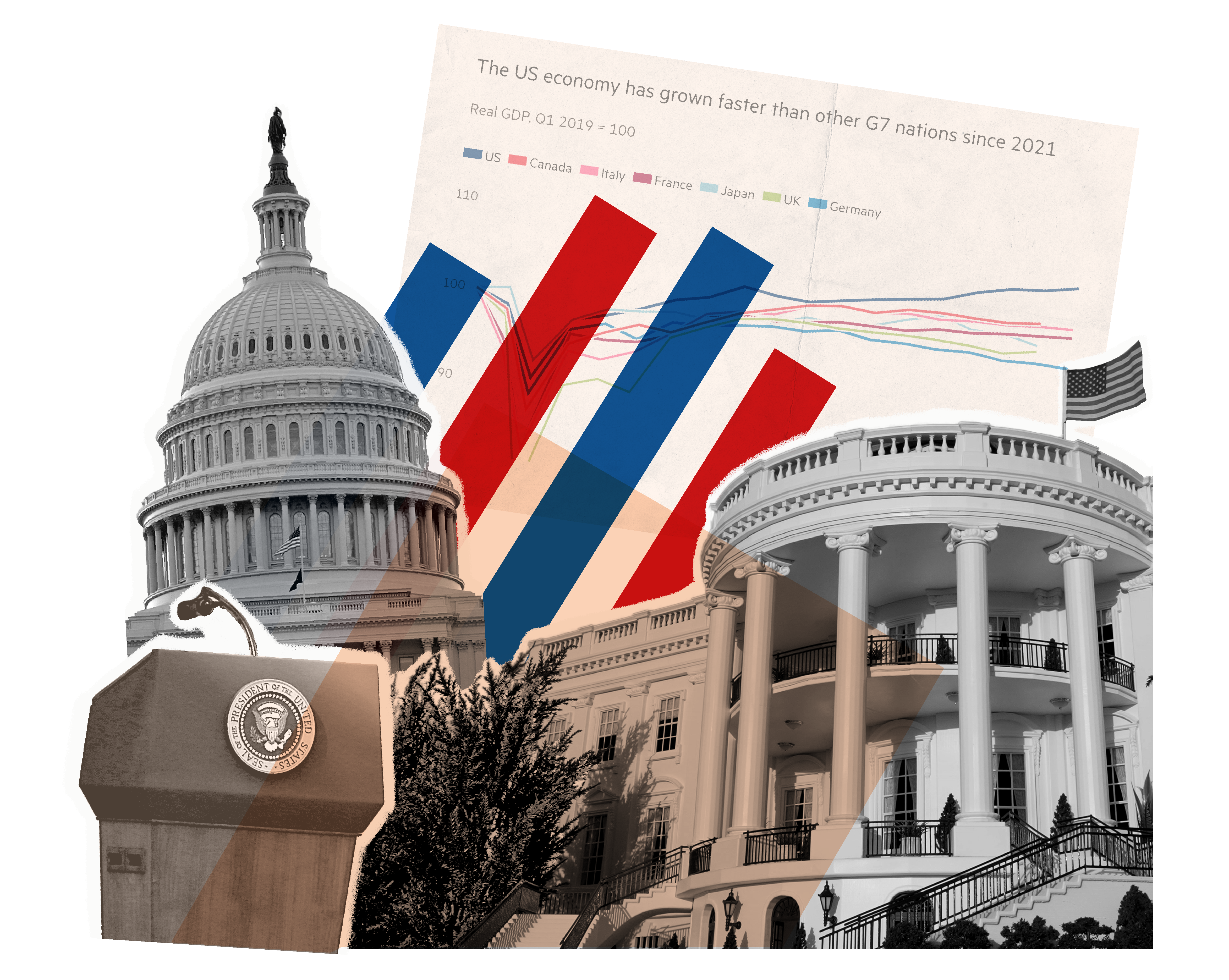
As Donald Trump commences his second term, the global financial landscape braces for potential shifts in US trade policy. With a renewed emphasis on tariffs, Trump’s administration is poised to influence both domestic markets and international trade relations. This article delves into the anticipated impacts on the fintech sector and broader economic implications.
Trump’s Tariff Strategy
The Trump administration has signaled a continuation of its aggressive tariff strategy, which could lead to heightened trade tensions. By imposing tariffs on key imports, the US aims to protect domestic industries and reduce the trade deficit. However, these measures have sparked concerns over potential retaliatory tariffs from trading partners, which could impact US exports.
Implications for Fintech
The fintech industry, while not directly involved in manufacturing or trade, is likely to feel the ripple effects of these policies. As tariffs affect supply chains and production costs, companies might face increased operational expenses. This could lead to tighter budgets and a reevaluation of investment strategies within the fintech space.
Moreover, fintech firms that facilitate international transactions may encounter shifts in currency exchange rates and regulatory landscapes. This presents both challenges and opportunities as companies navigate the evolving economic environment.
Business Adaptations
In response to the changing economic climate, businesses may need to adapt their strategies. Some may consider diversifying supply chains to mitigate the impact of tariffs, while others might explore technological innovations to enhance efficiency and reduce costs.
Fintech companies are uniquely positioned to offer solutions that improve financial operations and facilitate global transactions despite trade barriers. By leveraging advanced technology, these firms can help businesses streamline operations and maintain competitiveness.
Global Reactions
The international community is closely watching the US’s trade policies. Key trading partners may seek to negotiate new agreements or strengthen alliances with other nations to counterbalance US tariffs. This could result in shifts in global trade patterns, affecting markets worldwide.
For fintech companies operating on a global scale, understanding these dynamics is crucial. Staying informed about changes in trade agreements and regulatory environments will be essential for maintaining compliance and seizing new market opportunities.
Conclusion
As Trump’s second term unfolds, the fintech industry must remain agile and informed. By understanding the potential impacts of US trade policies, companies can position themselves to navigate challenges and capitalize on emerging opportunities in the global market.
Note: This article is inspired by content from https://www.ft.com/content/33f80d29-3f60-4efa-9c7c-0d67b639b7ad. It has been rephrased for originality. Images are credited to the original source.