

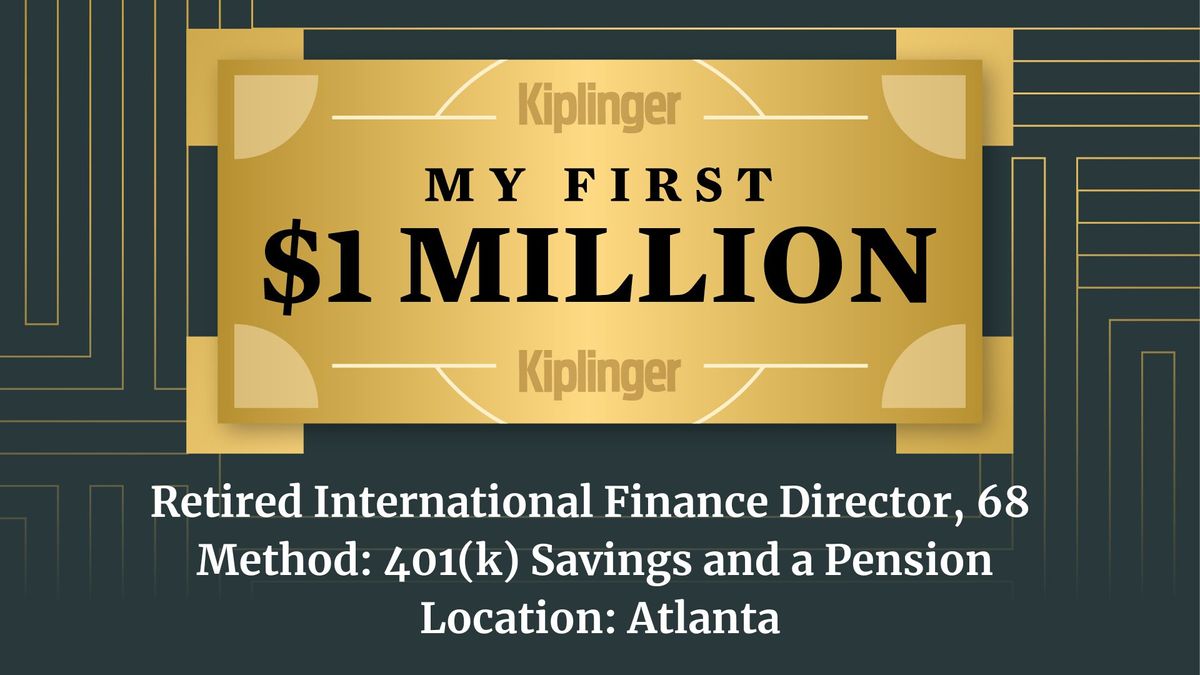
From Humble Beginnings to Financial Success
For many, achieving a net worth of $1 million seems like a distant dream. But for a 68-year-old retired international finance director from Atlanta, it was a goal reached through years of dedication, smart decisions, and a strong commitment to long-term planning. His journey offers insight into how strategic financial choices and a global perspective can lead to lasting wealth.
Early Career and Education
Growing up in a modest household, the finance executive understood the value of hard work from an early age. He earned a degree in accounting and began his career in the late 1970s, working for a multinational corporation. His early roles involved extensive travel and handling complex financial operations, which gave him a broad understanding of international markets and corporate finance.
“I learned early on that diversification and patience are key to wealth accumulation,” he recalls. His first major financial decision came when he started contributing to his company’s 401(k) plan, despite a tight budget. Over time, those contributions compounded significantly, laying the foundation for his future wealth.
Climbing the Corporate Ladder
As he progressed in his career, he held various leadership roles in finance departments across Europe, Asia, and North America. His international assignments not only broadened his professional skills but also provided opportunities to save and invest strategically.
“Living overseas allowed me to increase my savings rate,” he explains. “In some countries, my living expenses were covered by the company, which meant I could invest a larger portion of my income.”
He remained committed to maxing out retirement accounts, investing in a diversified portfolio of stocks, bonds, and mutual funds. With each promotion, his income grew, but he maintained a relatively modest lifestyle, prioritizing savings over luxury.
Smart Investment Strategies
Beyond retirement accounts, he also invested in real estate. In the mid-1990s, he purchased a rental property in Atlanta, which he still owns today. The steady rental income has contributed to his financial independence while the property’s value has appreciated significantly over the years.
“Real estate gave me both income and long-term growth,” he notes. “It also diversified my portfolio beyond the stock market.”
He also sought advice from financial professionals. Working with a certified financial planner helped him create a comprehensive strategy that included tax planning, estate planning, and risk management.
Challenges Along the Way
His journey wasn’t without challenges. Market downturns, currency fluctuations, and geopolitical risks impacted his investments. However, his long-term mindset helped him stay the course.
“I didn’t panic during downturns,” he says. “I knew that markets recover and that consistent contributions were more important than timing.”
He also faced personal challenges, including health concerns and family responsibilities. But his disciplined approach to saving and investing provided a financial cushion that eased the burden during difficult times.
Life After Retirement
Since retiring, he enjoys a comfortable lifestyle and spends time volunteering, mentoring young professionals, and traveling for leisure. He credits his financial success to a combination of early planning, consistent saving, and a global perspective.
“If I could give one piece of advice, it would be to start early and be consistent,” he says. “Even small contributions add up over time.”
He also emphasizes the importance of living below your means and avoiding lifestyle inflation. “Just because you earn more doesn’t mean you should spend more. Save and invest the difference.”
Final Thoughts
His story is a testament to the power of financial discipline, global experience, and long-term thinking. By making informed decisions and staying focused on his goals, he was able to build a solid financial foundation that supports him in retirement.
His advice to younger generations: “Learn about money, make a plan, and stick to it. The earlier you start, the better off you’ll be.”
This article is inspired by content from Kiplinger. It has been rephrased for originality. Images are credited to the original source.