

Legislative Leaders Emphasize Compromise in Budget Deal
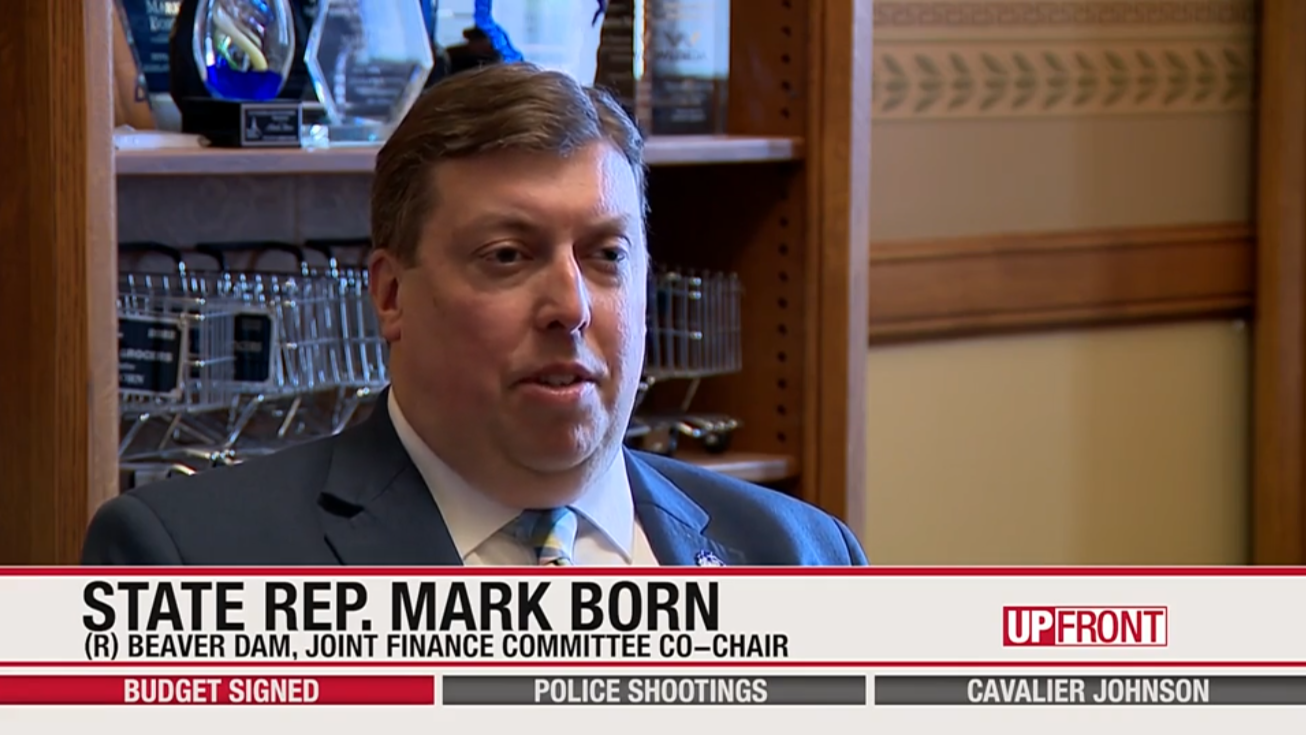
State Rep. Mark Born, co-chair of Wisconsin’s powerful Joint Finance Committee, recently appeared on WISN 12’s “UpFront” to discuss the latest state budget agreement signed into law by Governor Tony Evers. Born described the deal as a reflection of productive compromise in state government, with both Republicans and Democrats able to claim victories.
“Certainly he’s going to point to the things he likes,” Born said, referring to Gov. Evers, during the interview. “We’re going to point to the things we like. That’s a compromise.”
Born acknowledged that the final budget product was not exactly what either side would have crafted independently, but emphasized that such give-and-take is inherent to the legislative process. “Are there things that would have been different if I got to build it personally on my own, or our caucus just got to build it on their own? Of course,” he noted. “But that’s the way the legislative process works.”
Higher Education Investment Seen as Key Compromise
One of the most notable aspects of the budget deal was the inclusion of increased funding for the Universities of Wisconsin. This move marked a significant shift from earlier Republican discussions about potentially slashing university budgets.
“Part of the compromise,” Born explained. “We know that there’s real problems there. We knew we had to get some reforms, and then part of it is ending up at some new investment.”
He added that the Republican caucus had grown frustrated with what they saw as administrative bloat and unchecked growth in non-academic roles across university campuses. “They are on notice now that some of that’s going to have to change,” Born warned, signaling that future funding may depend on reforms aimed at reducing inefficiencies and administrative overhead.
Governor Evers and Republicans Highlight Their Wins
Governor Evers has touted elements of the budget that align with his policy goals, including investments in public education, workforce development, and healthcare. Meanwhile, Republicans have pointed to tax relief measures, regulatory reforms, and constraints on government growth as their achievements.
“Both sides have things they can sell to their constituents,” said Born. “That’s really what you want to see in a bipartisan budget – something that reflects the priorities of both parties and the people of Wisconsin.”
The budget process, which involved weeks of negotiations and committee deliberations, culminated in a document that covers billions in state spending for the next two years. While not perfect in the eyes of any single legislator, the result was a product both chambers of the Legislature and the governor could ultimately support.
Balancing Reform with Investment
Born emphasized that agreeing to increased investments, particularly in higher education, didn’t come without conditions. He reiterated the need for accountability and reform, especially in how public institutions manage their finances and administrative staffing levels.
“We were staring low and not just from a negotiating position,” Born said, referring to the Republicans’ initial budget stance. “It was a position of principle. Our caucus was tired of the growth in admin positions, the bloat at these campuses.”
“Reform was a necessary part of the equation,” he continued. “Any new investment had to be paired with a commitment to doing better with the resources already available.”
Looking Ahead to Future Budget Cycles
As Wisconsin looks ahead to future legislative sessions and budget cycles, Born suggested that the current deal could serve as a model for bipartisan cooperation. While ideological differences remain, he believes the legislature can find common ground through negotiation and accountability.
“We’re never going to agree on everything,” Born admitted. “But we can agree on the process and the importance of doing the people’s work in a responsible way.”
The budget now in place for the next biennium includes funding for education, health services, infrastructure, and tax cuts, reflecting a broad spectrum of interests from both sides of the political aisle.
As the state begins to implement the provisions of the new budget, both lawmakers and citizens will be watching closely to see whether the promised reforms and investments deliver measurable results.
This article is inspired by content from Original Source. It has been rephrased for originality. Images are credited to the original source.