

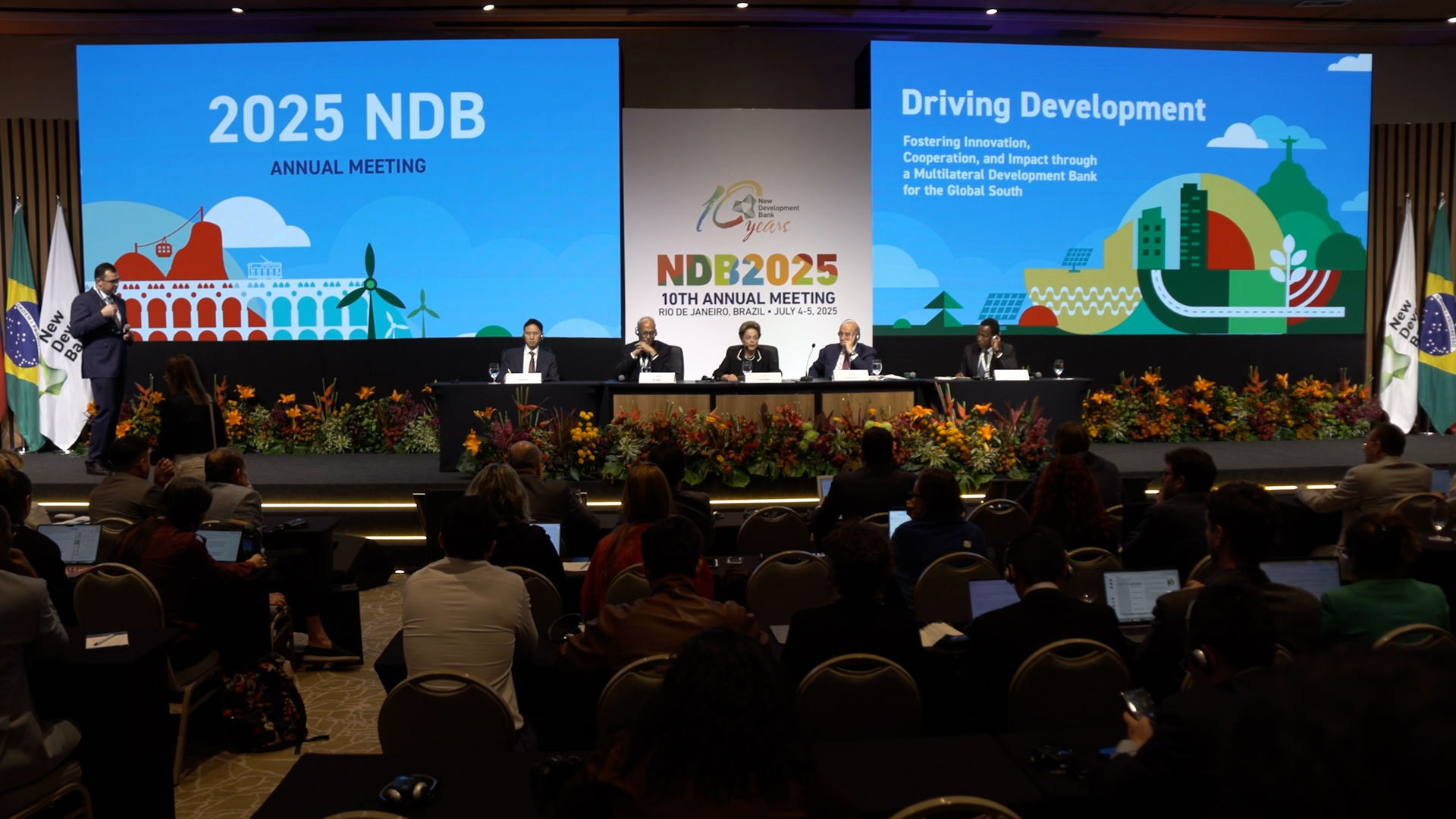
BRICS Finance Ministers Convene to Bolster Development Funding
Finance ministers from BRICS nations gathered in Rio de Janeiro to explore strategies for strengthening sustainable development and reforming global financial institutions. The high-level meeting aimed to enhance the role of the New Development Bank (NDB) in funding infrastructure and development projects across member and emerging economies.
The event, hosted in Brazil, brought together top financial leaders from Brazil, Russia, India, China, and South Africa, along with representatives from the NDB, commonly referred to as the BRICS bank. The discussions centered around expanding financial cooperation and identifying innovative approaches to fund development initiatives effectively in a changing global landscape.
Driving Sustainable Development Through Collective Action
The BRICS finance ministers emphasized the urgency of investing in sustainable development in the Global South. With global economic challenges mounting, the ministers noted that now is a crucial time to work collaboratively on inclusive growth and green infrastructure.
“We are committed to supporting development projects that align with climate goals and social inclusion,” said a representative from the Brazilian Ministry of Finance. The group highlighted the importance of the New Development Bank’s role in providing flexible financing options tailored to the needs of developing nations.
Expanding the New Development Bank’s Reach
Founded in 2015, the NDB was created to mobilize resources for infrastructure and sustainable development projects in BRICS and other developing countries. Since its inception, the bank has approved billions of dollars in loans for projects ranging from renewable energy to urban development.
During the meeting, finance ministers discussed ways to broaden the bank’s membership and funding capabilities. The NDB has recently welcomed new member countries such as Bangladesh, Egypt, and the United Arab Emirates, signaling its growing influence on the global financial stage.
“The expansion of the NDB’s membership is a strategic move to increase its capital base and enhance its global reach,” said Dilma Rousseff, the current president of the NDB. She emphasized the bank’s commitment to supporting sustainable projects that align with long-term development goals.
Calls for Reform in Global Financial Architecture
Another key topic of the meeting was the urgent need to reform international financial institutions. The BRICS ministers argued that existing global financial systems often fail to adequately represent emerging economies and developing nations.
“We need a more inclusive and equitable global financial architecture,” stated the Indian finance minister. The group called for greater voting power and representation for developing countries in institutions like the International Monetary Fund and the World Bank.
The ministers also stressed the importance of reducing dependency on traditional Western-led financial systems. They discussed the potential for increased use of local currencies in trade and lending, which could help insulate BRICS economies from external shocks and exchange rate volatility.
Prioritizing Innovation and Infrastructure
In addition to governance reforms, the BRICS finance ministers focused on the importance of innovation and digital infrastructure. With the rapid advancement of technology, the group recognized the need to invest in digital financial tools and smart infrastructure to drive economic growth.
The NDB has already begun financing projects that incorporate digital technologies, including smart cities and digital payment systems. These initiatives are seen as essential to modernizing public services and increasing economic efficiency in member countries.
“Digital transformation is no longer optional—it’s a necessity,” noted the South African representative. He added that such investments would not only create jobs but also improve access to services in underserved regions.
Looking Ahead: Strengthening Cooperation
The BRICS finance ministers concluded the meeting with a renewed commitment to deepening financial cooperation and supporting each other’s development goals. They agreed to continue exploring mechanisms for co-financing projects, sharing technical expertise, and coordinating responses to global economic challenges.
As the world grapples with uncertainty from inflation, geopolitical tensions, and climate change, the BRICS nations are positioning themselves as a unified bloc capable of offering alternative solutions to global development issues.
“Our collective efforts will help shape a more balanced and sustainable global economy,” said the Chinese finance minister in closing remarks.
The outcomes of this meeting are expected to lay the groundwork for further collaboration in the upcoming BRICS Summit, where heads of state will review progress and set strategic directions for future initiatives.
This article is inspired by content from Original Source. It has been rephrased for originality. Images are credited to the original source.