

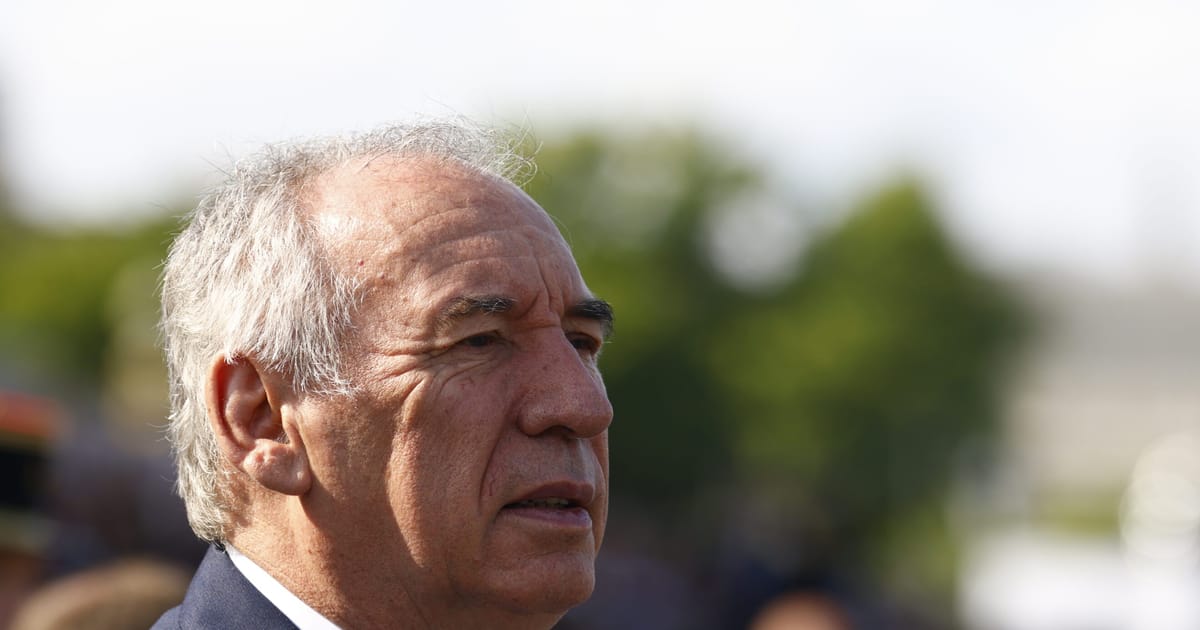
French Prime Minister Proposes Holiday Cuts to Tackle Debt
PARIS — In a bold attempt to address France’s mounting public debt, Prime Minister François Bayrou has proposed scrapping two national public holidays: Easter Monday and Victory in Europe Day on May 8. The announcement came during a high-profile press conference outlining his government’s fiscal strategy for the upcoming year.
“We must as a nation work more,” Bayrou declared, emphasizing the need for collective effort to stabilize the country’s finances. The proposal is part of a broader plan to reduce France’s public deficit and manage a debt that has soared to €3.3 trillion.
Public Backlash and Political Resistance
The suggestion has already sparked widespread political backlash. Lawmakers from across the spectrum—including the Greens, the center-left Socialists, and the far-right National Rally—have voiced strong opposition. The move could threaten the survival of Bayrou’s minority government, especially when Parliament reconvenes after the summer break.
The French public is known for its deep attachment to labor rights and generous vacation policies. Any attempt to reduce these benefits is likely to meet stiff resistance. The last major reform—the 2023 retirement age hike—triggered mass protests and remains widely unpopular.
Fiscal Measures and Budget Goals
Bayrou’s proposal forms part of a larger initiative to trim €43.8 billion from the 2026 budget, aiming to bring the deficit down to 4.6% of GDP next year. Key measures include:
- Reducing the civil servant workforce by 3,000 employees
- Cutting an additional 1,000 to 1,500 jobs in state-run institutions
- Slashing healthcare spending by €5 billion
- Freezing public sector wages and welfare payments, including pensions
Although the government had previously pledged not to raise taxes, Bayrou introduced a “solidarity contribution” targeting high-income earners as part of the fiscal adjustments.
Timing and Rationale
The Prime Minister justified the choice of holidays by pointing to the string of short work weeks in late spring. Following Easter, workers typically enjoy several holidays in close succession—Labor Day on May 1, Victory in Europe Day on May 8, and Ascension Day. Bayrou argued that eliminating two of these would help increase national productivity.
Defense Spending and Strategic Priorities
Despite widespread cuts, the French armed forces will remain insulated from budget reductions. Bayrou confirmed President Emmanuel Macron’s earlier commitment to raise defense spending to €64 billion by 2027. This decision underscores the government’s prioritization of national security amid rising geopolitical tensions.
Opposition and Potential Fallout
Reactions from the political opposition were swift and scathing. Jordan Bardella of the National Rally labeled the plan “a direct attack on French history.” He warned that his party might collaborate with left-wing lawmakers to oust Bayrou in the fall, echoing similar maneuvers that led to the removal of former Prime Minister Michel Barnier last year.
Bayrou appeared undeterred but acknowledged the political risks. Behind him during the press conference stood a banner reading “the moment of truth”—a phrase used by one of his ministers to describe the gravity of the situation. “We know we remain at the mercy of the opposition,” Bayrou admitted, hinting at the uncertain fate of his plan.
Public Sentiment and the Road Ahead
Public reaction has been swift, particularly on social media, where many voiced outrage over the potential loss of cherished holidays. The deeply rooted cultural significance of these days, especially Victory in Europe Day, adds emotional weight to the debate.
As Parliament prepares to discuss the budget proposals post-summer, the French government faces a critical test. Balancing fiscal responsibility with social expectations will require careful negotiation and political savvy. Whether Bayrou’s controversial prescription will be accepted or rejected remains to be seen.
This article is inspired by content from Original Source. It has been rephrased for originality. Images are credited to the original source.