

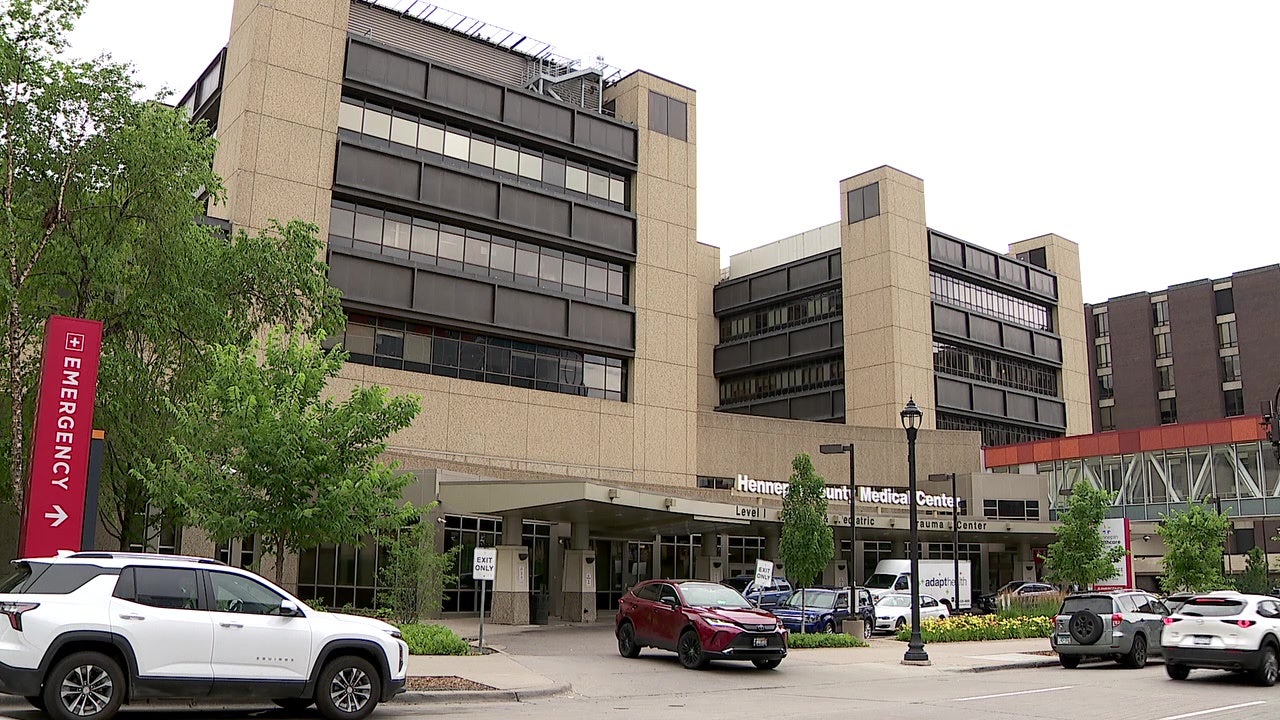
Hennepin Healthcare Struggles Amid Rising Costs
Hennepin Healthcare, one of Minnesota’s largest hospital systems, is grappling with serious financial challenges. The hospital is projected to finish the current fiscal year with a staggering $36 million deficit. At the heart of this financial turmoil are mounting supply costs, low Medicaid reimbursement rates, and an increasing number of uninsured and underinsured patients.
Leadership Sounds the Alarm
CEO Thomas Klemond has expressed growing concern over the hospital’s ability to sustain its mission of serving low-income and vulnerable populations. “We take pride in our mission, but the financial reality is making it increasingly difficult to deliver,” Klemond stated. He pointed out that the expiration of the COVID-19 Public Health Emergency resulted in many patients losing their Medicaid coverage, leading to a significant drop in revenue.
Compared to 2022, the hospital experienced a $67 million decline in revenue due to shifts in Medicaid enrollment. Currently, about 10% of patients are either uninsured or underinsured, up sharply from 6% just a year ago. Klemond emphasized that this may represent a new normal for the hospital unless systemic changes are implemented.
Closure Not Off the Table
During a recent press briefing, Klemond was asked if closure could become a reality if the financial situation remains unchanged. “I think we have to say that’s a real possibility,” he replied, underscoring the gravity of the circumstances.
Hennepin Healthcare has reported financial losses in seven of the past eight years, a pattern that reflects broader trends affecting health systems across the state and nation.
Statewide Healthcare in Peril
Hennepin Healthcare is not alone in its financial distress. According to the Minnesota Hospital Association (MHA), 67% of hospitals in Minnesota reported negative operating margins during the first half of 2023. Joe Schindler, Vice President of Finance Policy at MHA, described the situation as the result of “a thousand paper cuts.”
Schindler explained that declining insurance reimbursements—both from Medicare and private insurers—are severely impacting hospital finances. Simultaneously, operational costs like medical supplies have surged. Hennepin Healthcare has seen an 8% increase in supply costs over recent years, further straining its budget.
Potential Cuts Loom
Hospital leadership has acknowledged that while they are doing everything possible to avoid layoffs and service reductions, such cuts may become inevitable without emergency funding. “We’re exploring every option, but the path forward is unclear without significant financial support,” a spokesperson said.
The union representing nearly 1,400 Hennepin Healthcare employees voiced strong opposition to any proposed cuts. In a statement, the union criticized executive leadership for mismanagement, saying, “We already work short-staffed, underpaid, and overstretched—any frontline cuts to jobs, wages, or benefits are unacceptable.”
What’s Next for Hennepin Healthcare?
As the hospital navigates these turbulent financial waters, community members, employees, and healthcare advocates are watching closely. The stakes are high: Hennepin Healthcare is a critical safety-net provider for the Twin Cities area, and its potential downsizing or closure would have far-reaching consequences.
State legislators and federal policymakers may be called upon to reassess Medicaid reimbursement models and consider emergency funding measures to stabilize the health system. Meanwhile, Hennepin Healthcare continues to assess cost-saving strategies and appeals for support from both the public and private sectors.
Despite the uncertainty, one thing is clear: the financial health of Minnesota’s hospitals, including Hennepin Healthcare, is approaching a tipping point that could reshape the state’s healthcare landscape for years to come.
This article is inspired by content from Original Source. It has been rephrased for originality. Images are credited to the original source.