

Senators Examine AI’s Expanding Role in Financial Services
WASHINGTON, July 30, 2025 – The Senate Subcommittee on Securities, Insurance, and Investment convened this week to assess the accelerating integration of artificial intelligence (AI) in the finance and insurance industries. The hearing, titled “Guardrails and Growth: AI’s Role in Capital and Insurance Markets,” served as a platform for lawmakers and industry experts to discuss both the opportunities and risks associated with AI in these critical sectors.
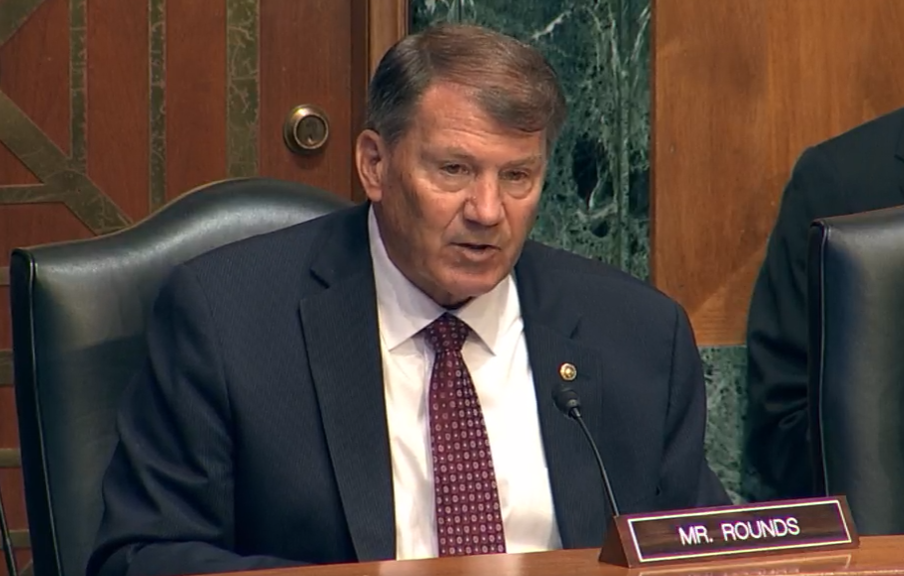
Senator Mike Rounds, R-South Dakota, who chairs the subcommittee, spearheaded the session by reintroducing the Unleashing AI Innovation and Financial Services Act. Originally proposed in 2024, the bipartisan legislation aims to foster innovation by requiring financial regulators to establish regulatory sandboxes. These frameworks would allow firms to test AI-driven projects without being hampered by outdated regulations or fear of retroactive enforcement.
“AI has significantly improved fraud detection, increasing rates by up to 300% and saving over $50 billion in the last three years,” Rounds noted. “This is the kind of progress we should be encouraging, and our legislation seeks to create a cooperative space for firms and regulators to explore this technology safely.”
Benefits Highlighted by Industry Leaders
During the hearing, experts underscored the transformative impact of AI on the financial sector. David Cox, Vice President for AI Models at IBM Research, outlined how generative AI and large language models (LLMs) are already being used to enhance regulatory compliance, automate customer service, and streamline internal processes such as reporting and workflow management. He also emphasized their potential in creating audit trails and summarizing complex legal documents, which can drastically reduce time and human error.
Kevin Kalinich, Global Collaboration Leader for Intangible Assets at Aon, echoed these sentiments. He praised AI’s ability to revolutionize insurance underwriting, fraud analysis, and operational efficiency. Kalinich also pointed to the growing need for a comprehensive national AI policy, aligning with priorities laid out in President Donald Trump’s AI Action Plan.
Concerns Over Transparency and Regulation
Despite the optimism, witnesses cautioned against unchecked AI development. Cox warned that without adequate transparency and a risk-based data security approach, the benefits of AI might not reach their full societal potential. “We still lack clarity on the data used to train LLMs, and tracking AI decision-making remains a challenge,” he said. “Bias and hallucinations in generative models are real risks that need to be addressed.”
Both Cox and Kalinich underlined the importance of a cohesive regulatory environment. “Fragmented state-by-state regulations could stifle innovation and hinder experimentation,” Cox stated. “A unified national framework would provide the certainty and transparency necessary for widespread adoption and participation.”
Emphasis on Open Source and Public-Private Partnerships
One of the recurring themes during the hearing was the call for an open AI ecosystem. Cox advocated for open-source AI tools to ensure that the technology remains accessible and is not monopolized by a select few corporations. “A healthy, competitive AI market requires open access, not closed systems,” he said.
Kalinich went a step further, emphasizing the need for public-private collaboration to ensure that AI development aligns with societal goals. “We need policies that establish clear liability frameworks and maintain viable insurance markets,” he explained. “This will allow both developers and users to act confidently, knowing they are supported by robust governance systems.”
Balancing Innovation with Consumer Protection
Senators and witnesses alike acknowledged that AI has the potential to revolutionize financial services, but not without risks. From job displacement to cybersecurity threats, the rise of AI presents new challenges that must be carefully managed. Lawmakers stressed the importance of regulatory frameworks that do not hinder innovation but still provide adequate consumer protections.
Rounds concluded the hearing by reiterating his commitment to fostering an environment that balances safety with innovation. “By working together—regulators, industry, and lawmakers—we can ensure AI becomes not just a breakthrough technology, but a force for economic and social good,” he said.
This article is inspired by content from Original Source. It has been rephrased for originality. Images are credited to the original source.