

Trump Dismisses Five Members of Puerto Rico’s Fiscal Board
President Donald Trump has dismissed five out of eight members of Puerto Rico’s Financial Oversight and Management Board, a move that significantly reshapes the leadership of the body that oversees the U.S. territory’s fiscal affairs. The decision comes amid ongoing struggles to resolve Puerto Rico’s long-standing debt crisis.
The White House confirmed the termination of board chairman Arthur J. Gonzalez, along with Cameron McKenzie, Betty A. Rosa, Juan A. Sabater, and Luis A. Ubiñas. This leaves only two voting members remaining on the board, in addition to an ex officio member appointed by Puerto Rico’s governor.
Political Implications and Appointments
Of the five dismissed members, four had been appointed by Democratic administrations. Betty A. Rosa, although initially nominated by Trump during his first term, was later reappointed by President Joe Biden. The remaining two voting members include one originally nominated by President Barack Obama and reappointed by Trump, and another picked by Trump and later renominated by Biden.
The seven voting members of the board are appointed by the U.S. president—six from congressional recommendations and one at the president’s discretion. The eighth member, representing Puerto Rico’s government, serves in an ex officio role without voting rights.
“The board has been run inefficiently and ineffectively by its governing members for far too long,” a White House official stated. “It’s time to restore common sense leadership.”
Oversight Board’s Origins and Mandate
The Financial Oversight and Management Board was established in 2016 under the Puerto Rico Oversight, Management, and Economic Stability Act (PROMESA), signed into law during the Obama administration. Its primary purpose is to guide Puerto Rico through its financial crisis and expedite critical infrastructure projects.
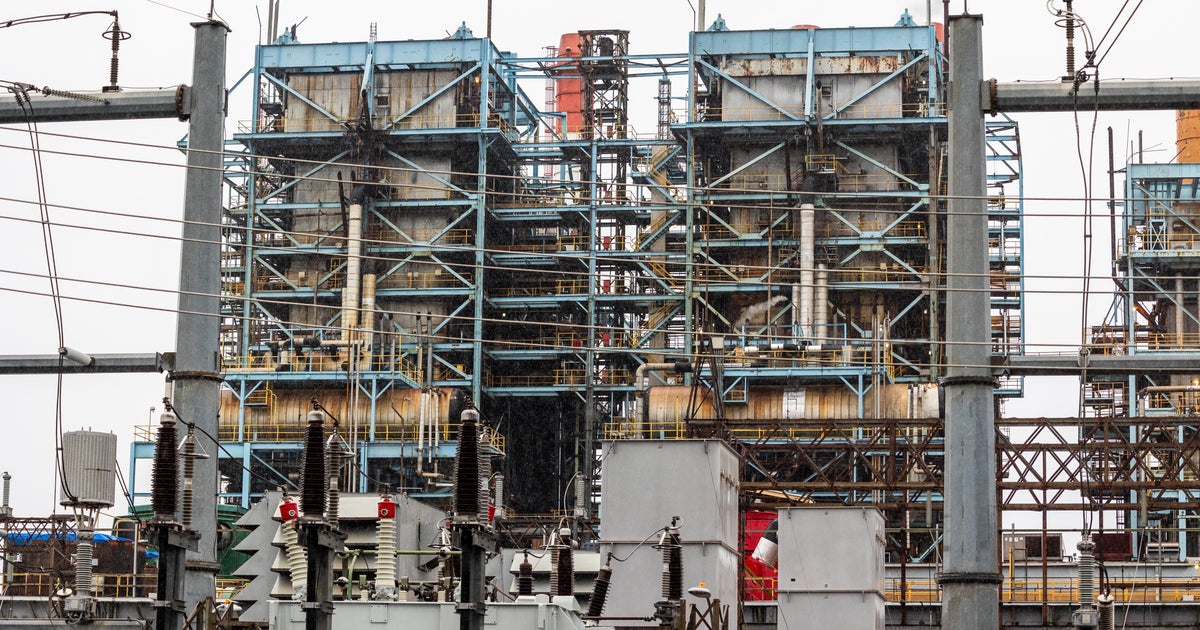
Despite its establishment nearly a decade ago, the island’s financial woes persist. One of the most contentious issues remains the unresolved debt of Puerto Rico’s Electric Power Authority (PREPA), with bondholders continuing to litigate for repayment of billions of dollars.
Board Responds to the Shake-Up
In a statement, the oversight board acknowledged being notified by the White House of the terminations. The board committed to continuing its work under the mandate of PROMESA and vowed to act in the best interests of Puerto Rico’s residents.
Legal experts note that under PROMESA, the president can only remove board members “for cause,” a clause that may generate legal scrutiny over the dismissals. So far, no replacements have been named for the five removed members.
Congressional and Political Reactions
During a congressional hearing in July, Democratic Rep. Nydia Velazquez of New York criticized bondholder Golden Tree Asset Management. The firm has opposed the board’s proposal to reduce PREPA’s bond obligations from $8.5 billion to $2.6 billion.
“They took advantage of a distressed government to buy cheap debt, and now they demand the maximum payment,” Velazquez said. “This is no longer about PREPA’s bankruptcy; it’s about Golden Tree versus the people of Puerto Rico.”
Rep. Jared Huffman, the ranking Democrat on the House Natural Resources Committee, cautioned against disbanding the board solely due to consultant spending or disagreements with bondholder negotiations. He emphasized that such calls are premature.
Local Response and Future Outlook
Puerto Rico’s Republican governor, Jenniffer González-Colón, has expressed support for a leadership change. She previously called for the board’s immediate departure and stated she would cooperate with any new appointees once they are announced.
Right-wing activist Laura Loomer also weighed in, stating on social media that the president had the authority to overhaul the board. “The failure of lawyers and consultants to resolve the bankruptcy of Puerto Rico has left the people without power or a path forward,” she posted.
As the White House contemplates new appointments, questions remain about the board’s effectiveness, its future composition, and its ability to navigate Puerto Rico toward financial stability.
This article is inspired by content from Original Source. It has been rephrased for originality. Images are credited to the original source.