

Norway Prepares Policy Shift on Israeli Investments
Norway’s $2 trillion sovereign wealth fund is set to announce new measures next week regarding its investments in Israeli companies, Finance Minister Jens Stoltenberg stated on Friday. However, he emphasized that the country would not implement a full divestment from Israeli assets amid ongoing ethical concerns related to the conflict in Gaza and the occupation of the West Bank.
The announcement follows growing scrutiny after it was revealed that the fund had acquired shares in Bet Shemesh Engines Ltd, a company that services Israel’s military aircraft. The revelation sparked political controversy in Norway, especially with parliamentary elections looming on September 8.
Rapid Action and Long-Term Strategy
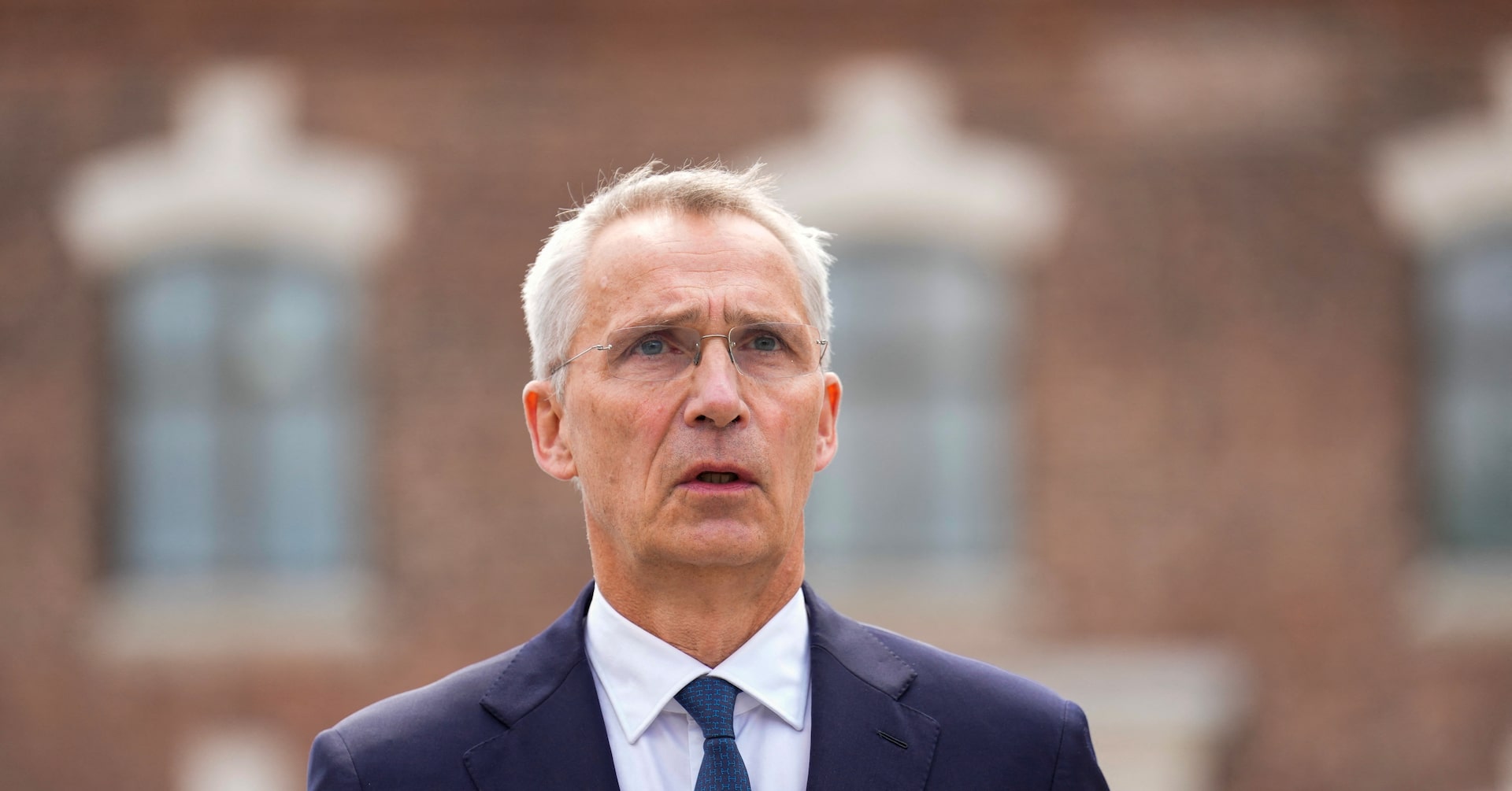
“I see several measures over time, but what can be addressed quickly, must be done quickly,” Stoltenberg said at a press conference following his second meeting with officials from Norges Bank, which manages the sovereign fund, in just three days.
While Stoltenberg refrained from detailing the specific measures to be unveiled, he made it clear that Norway would not pursue a blanket divestment from all Israeli companies. “If we did that, it would mean we are divesting from them because they are Israeli,” he added, distancing the government from a stance that could be perceived as discriminatory.
Ethical Oversight and Investment Practices
The fund’s ethics watchdog, tasked with ensuring investments align with standards set by Norway’s parliament, admitted this week that Bet Shemesh Engines should have been reviewed for potential exclusion. The company, which has not responded to media inquiries, became the focus of public debate after its military affiliations came to light.
The ongoing review of Israeli holdings is part of a broader ethical assessment initiated by the government earlier this week. The review aims to ensure that the fund’s investments do not contribute to violations of international law or human rights.
Use of External Fund Managers Under Review
One of the key areas under scrutiny is the fund’s reliance on external portfolio managers. Stoltenberg revealed that the investment in Bet Shemesh Engines was made through an external manager, whose identity was not disclosed. Currently, the wealth fund employs three external Israeli fund managers to oversee portions of its portfolio in the region.
“The use of external managers is clearly an issue we are discussing with the fund,” Stoltenberg noted, suggesting more robust oversight mechanisms may be implemented going forward.
Current Holdings and Recent Divestments
According to the fund’s records, it held shares in 65 Israeli companies at the end of 2024, totaling approximately $1.95 billion in value. In the past year, it has already divested from an Israeli energy firm and a telecommunications company. Additionally, the ethics panel is currently reviewing whether to divest from five Israeli banks.
These moves come amid increasing pressure from pro-Palestinian activists, who argue that the fund’s actions are insufficient. They are calling for a complete withdrawal from companies operating in the occupied Palestinian territories.
Parliamentary Rejection of Full Divestment
Despite the mounting public pressure, Norway’s parliament decisively rejected a proposal in June that called for the sovereign fund to divest from all companies involved in activities within the occupied Palestinian territories. This decision reflects the government’s cautious approach to balancing ethical investment practices with broader economic and diplomatic considerations.
Stoltenberg reiterated that while ethical guidelines remain paramount, any measures taken must be proportionate and carefully targeted to avoid unintended consequences.
Upcoming Announcements and Future Outlook
More information about the specific steps the fund will take is expected to be released in the coming week. Minister Stoltenberg hinted that additional measures could follow in the months ahead as Norway continues to refine its investment strategy in light of evolving geopolitical and ethical concerns.
As one of the world’s largest and most influential investment funds, the decisions made by Norway’s sovereign wealth fund are closely watched globally. The upcoming policy changes are likely to have ripple effects across international financial markets and could influence how other institutional investors approach similar ethical dilemmas.
This article is inspired by content from Original Source. It has been rephrased for originality. Images are credited to the original source.