

Growing Threats Prompt Increased Security Measures
Despite a general decline in crime rates across the United States, a sharp increase in targeted threats and attacks against corporate leaders has triggered a surge in executive protection spending. Companies are responding to an uptick in violence and online hostility by significantly boosting their security measures, according to recent data and expert interviews.
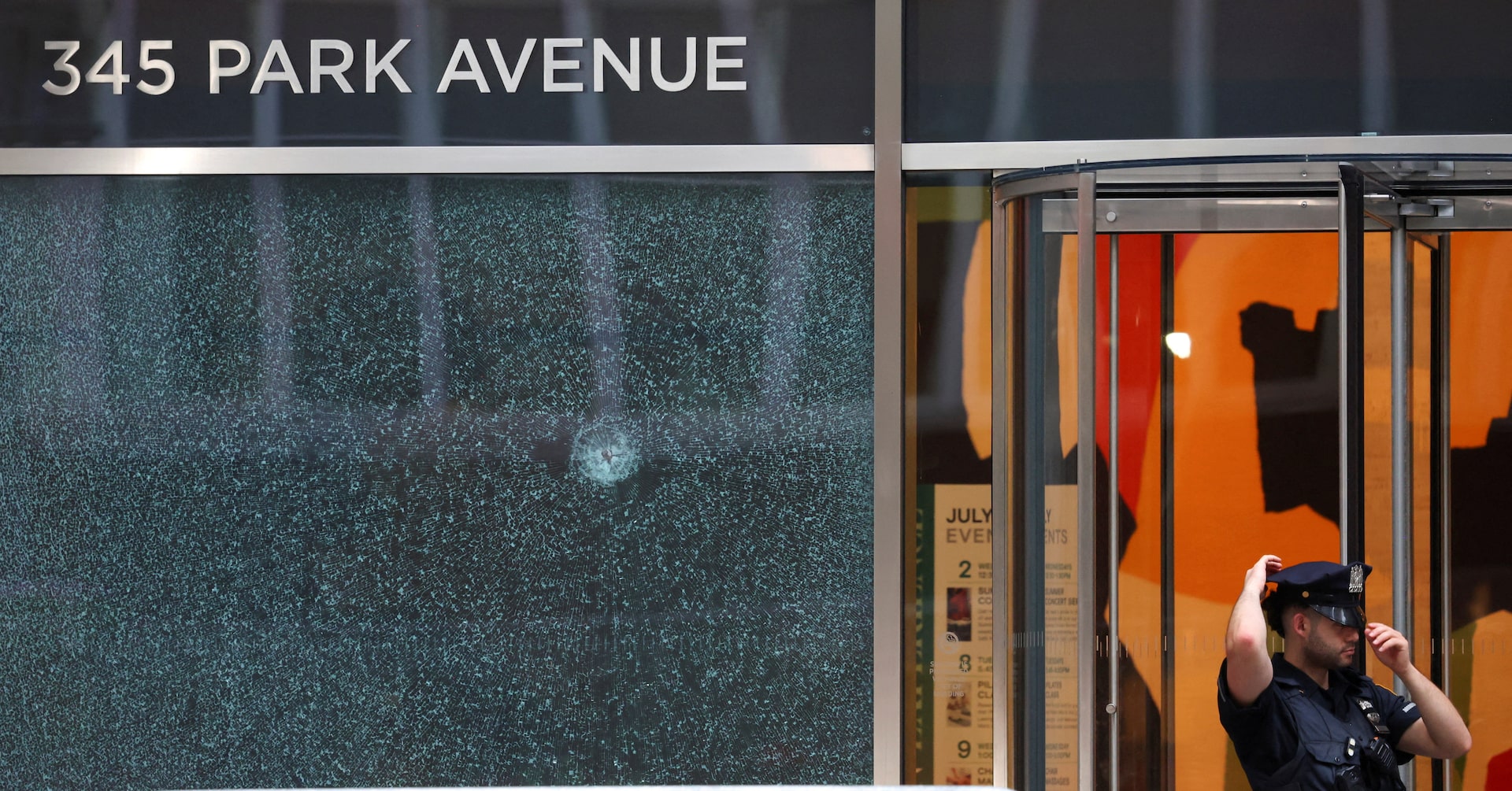
This trend follows a tragic event in Manhattan last week, where a shooting inside a skyscraper claimed four lives. The attack, along with other high-profile incidents over the past eight months, has raised alarm bells among corporate security teams and prompted a reassessment of executive safety protocols.
Security Spending Reaches Record Levels
U.S. corporations are now allocating unprecedented amounts to protect their top executives. Glen Kucera, president of enhanced protection services at Allied Universal, noted that the number of plainclothes security personnel stationed outside corporate buildings in New York City has doubled since the latest incident. This shift reflects the growing perception of vulnerability among business leaders.
Ben Joelson, head of security risk and resilience at the Chertoff Group, highlighted the role of social media in amplifying threats. “Threat levels against executives are at the highest point I’ve seen in over a decade,” he said, emphasizing how online platforms have become breeding grounds for discontent directed at institutional figures.
Artificial intelligence is also exacerbating the problem. The technology has enabled more sophisticated phishing attacks, increasing the likelihood of security breaches. Joelson described the rise in AI-driven threats as “exponential,” underscoring the urgent need for enhanced digital and physical protection strategies.
Data Shows Spike in Executive Protection Costs
According to a study by research firm Equilar, median spending on executive security for top officers—including CEOs and CFOs—rose by 16% last year. The average annual expenditure now stands at $106,530, marking the highest level recorded among the 500 largest U.S. public companies by revenue.
Interestingly, this increase in security spending has outpaced growth in other executive perks, signaling a shift in corporate priorities. Protecting leadership has become not just a safety imperative, but a strategic investment in organizational stability.
Legal Challenges and Corporate Accountability
In other developments, top asset managers including BlackRock, Vanguard, and State Street suffered a legal setback when a judge refused to dismiss an antitrust lawsuit filed by 13 Republican-led states. The suit alleges that these firms engaged in anti-competitive behavior through coordinated climate activism, raising questions about the balance between ESG (Environmental, Social, and Governance) priorities and market fairness.
Meanwhile, a Florida jury awarded $243 million in damages to victims of a 2019 Tesla crash involving an Autopilot-equipped Model S. This verdict could pose significant hurdles for the company’s ambitions in autonomous vehicle technology, particularly its planned rollout of robotaxis.
In Taiwan, authorities detained three individuals in connection with the illegal acquisition of proprietary information from Taiwan Semiconductor Manufacturing Co., the world’s largest chip foundry. The incident underscores the persistent risks of corporate espionage in the high-stakes tech sector.
Broader Implications for Governance and Trust
Trust in government data and institutions is also under scrutiny. Former President Donald Trump’s decision to attempt the dismissal of the head of the U.S. Bureau of Labor Statistics has drawn criticism for potentially undermining confidence in critical economic data. As the demand for reliable information grows, any action perceived as politically motivated could have lasting repercussions.
Across the Atlantic, the European Central Bank announced plans to incorporate climate change considerations into its lending policies. The move aims to mitigate financial risks linked to environmental uncertainties and reflects the broader trend of integrating sustainability into fiscal governance.
Domestically, the U.S. Department of Homeland Security reversed its stance on a controversial policy requiring local governments to denounce boycotts of Israeli companies as a condition for receiving disaster aid. The reversal marks a significant shift in federal policy and highlights the complexities of balancing geopolitical considerations with civil liberties.
Conclusion
As threats against corporate leaders continue to rise, companies are responding with unprecedented investments in security. From physical protection to digital defenses, the landscape of executive safety is evolving rapidly. At the same time, broader debates around governance, trust, and sustainability are shaping the business environment in profound ways.
This article is inspired by content from Original Source. It has been rephrased for originality. Images are credited to the original source.