

Nation Descends Into Turmoil After Prime Minister’s Resignation
In the wake of Prime Minister KP Sharma Oli’s resignation, Nepal has been gripped by a severe wave of political unrest. Tensions that had been simmering beneath the surface erupted into full-blown chaos as demonstrations turned violent across the country. Sparked primarily by youth-led protests, the situation rapidly deteriorated, resulting in widespread attacks on key political leaders and government institutions.
Political Leaders Targeted in Public Fury
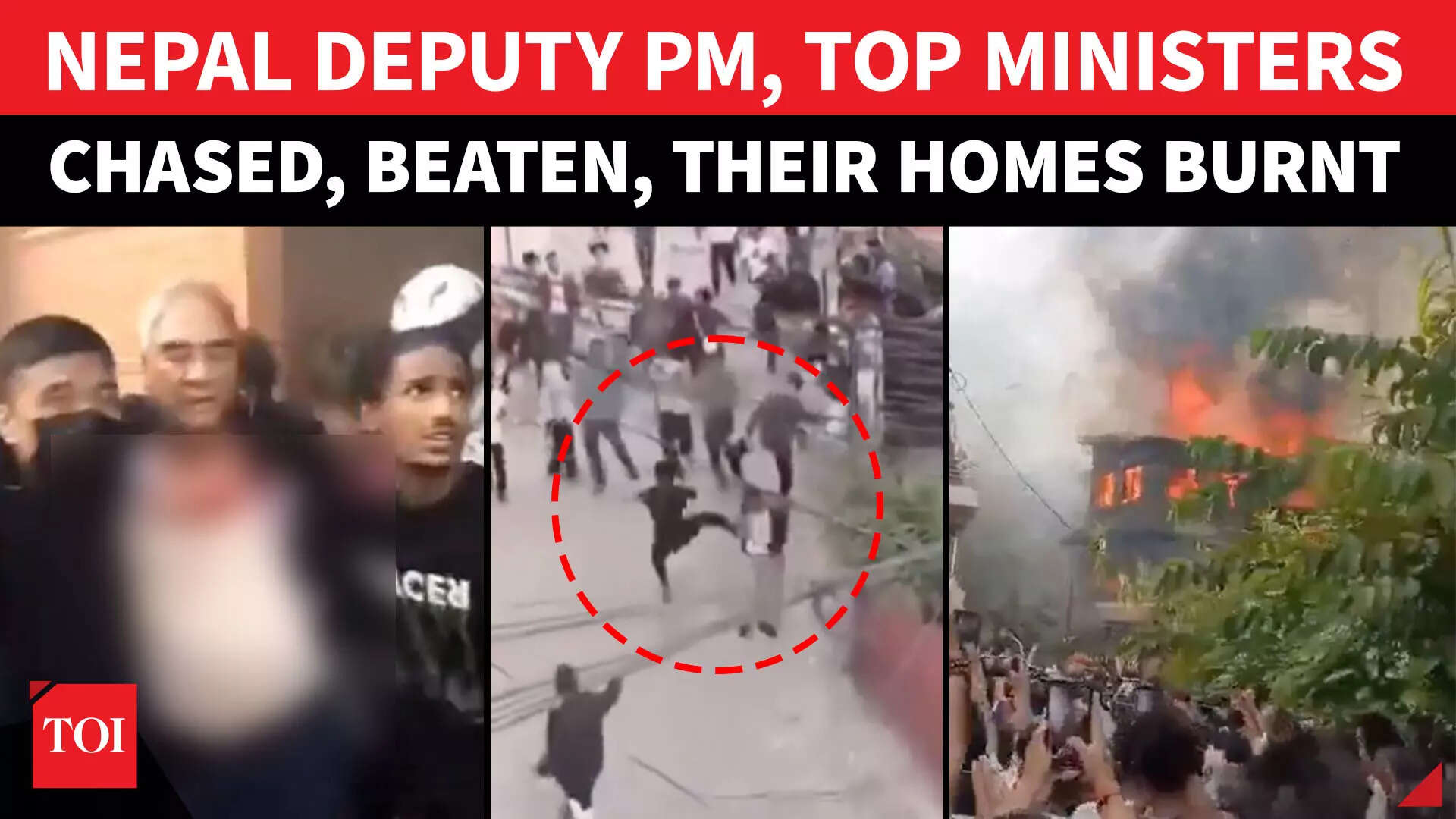
Among the most shocking incidents was the public humiliation of Finance Minister Bishnu Paudel, who was physically assaulted and stripped by an enraged mob. The disturbing footage, which has gone viral on social media platforms, showcases the intensity of the public’s anger toward the political establishment. In another deeply troubling event, former Prime Minister Sher Bahadur Deuba was reportedly injured and seen bleeding after protestors stormed his residence.
The violent backlash marks a significant breakdown in law and order, reflecting the deep mistrust and frustration harbored by many citizens toward the country’s political leadership.
Government Institutions Set Ablaze
Protestors did not limit their fury to individual politicians. Several government buildings, including the Parliament, were set on fire as mobs ran riot through the capital and other major cities. Offices of key ministries were also targeted, with reports confirming the destruction of both public records and infrastructure.
The homes of various prominent politicians were not spared either. Protestors, equipped with torches and makeshift weapons, ransacked several residences, setting them on fire and looting valuables. The flames lighting up Kathmandu’s skyline symbolized a nation in freefall, struggling to contain the firestorm ignited by political dissatisfaction and economic hardship.
Youth-Led Protests Escalate
What began as peaceful sit-ins and rallies quickly morphed into uncoordinated and violent uprisings. Youth groups, disillusioned by years of political instability, took to the streets in unprecedented numbers. Social media played a pivotal role in organizing flash mobs and spreading information about protest locations and police movements.
These demonstrations, initially aimed at demanding systemic reforms and transparency, spiraled into chaos as opportunistic elements hijacked the movement to incite violence.
Security forces appeared overwhelmed and underprepared for the scale of the unrest. Despite deploying riot control units and imposing curfews in several districts, authorities struggled to regain control of major urban centers.
International Community Expresses Concern
Global leaders and international organizations have expressed deep concern over the deteriorating situation in Nepal. Both neighboring countries and global allies have urged restraint and called for dialogue to restore peace and order. The United Nations released a statement emphasizing the importance of protecting democratic institutions and safeguarding human rights during this turbulent period.
Meanwhile, embassies in Kathmandu have issued travel advisories, warning their citizens to avoid non-essential travel and stay indoors as the violence continues to escalate.
Calls for Reconciliation and Reform
In a televised address, acting authorities have called for calm and attempted to open dialogue with protest leaders. However, the public’s trust appears to be at an all-time low, with many citizens rejecting offers for negotiation, demanding immediate resignations, and calling for a complete overhaul of the political system.
Political analysts argue that the current crisis is the culmination of years of unresolved grievances, ranging from corruption and nepotism to economic stagnation and lack of job opportunities for the youth. The deep-rooted systemic issues have now boiled over, leaving the country teetering on the edge of anarchy.
Future of Nepal at Crossroads
As Nepal faces one of the most serious internal crises in recent memory, the path forward remains uncertain. With critical infrastructure damaged, political leadership in disarray, and public anger unabated, the road to stability will require more than just political promises. It will demand genuine reforms, inclusive dialogue, and a commitment to rebuilding public trust from the ground up.
Whether Nepal emerges stronger or descends further into chaos will depend on the actions taken in the coming days and weeks.
This article is inspired by content from Original Source. It has been rephrased for originality. Images are credited to the original source.