

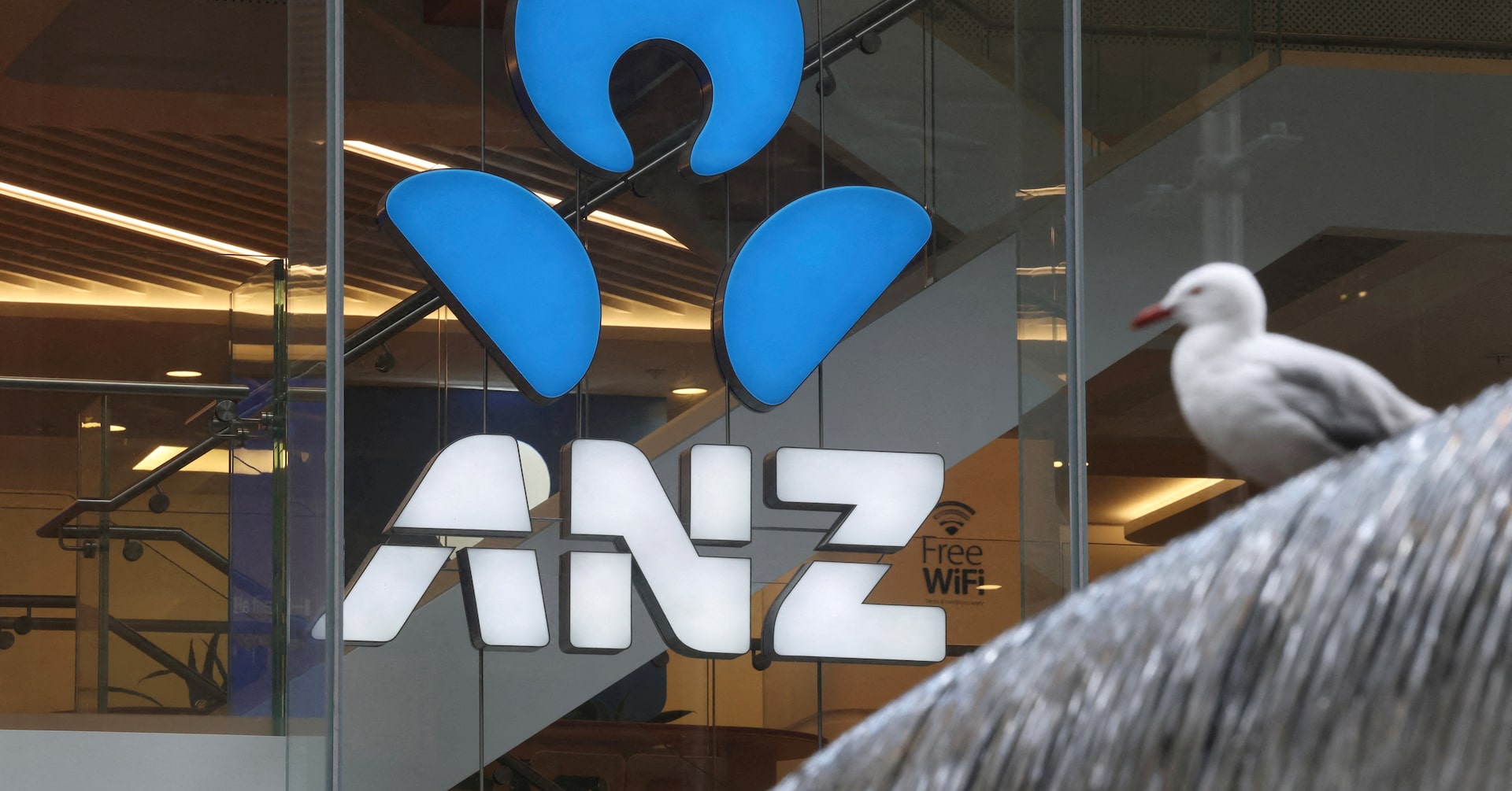
ANZ Agrees to Pay Record Penalty for Misconduct
Australia and New Zealand Banking Group (ANZ) has agreed to pay A$240 million (US$159.5 million) in penalties after a series of misconduct cases, marking the largest-ever fine imposed on a single entity by the Australian Securities and Investments Commission (ASIC). The violations include unethical practices in a government bond deal and continued fee charges to deceased customers.
“Time and time again ANZ betrayed the trust of Australians,” said Joe Longo, Chair of ASIC. The penalty highlights systemic failures within the bank’s operations and signals a pivotal moment for Australia’s fourth-largest financial institution.
Bond Trading Violations Spark Regulatory Action
The most significant of the five cases settled involves ANZ’s role in a A$14 billion government bond issuance dated April 19, 2023. ASIC accused ANZ of acting “unconscionably” by executing large trades in 10-year bond futures during the pricing window, exerting downward pressure on prices and potentially affecting the funding raised by the Australian government.
Longo emphasized the broader impact of this misconduct, stating, “When public funds are put at risk, every Australian pays the price.” The regulator also revealed that ANZ misrepresented trading turnover data used to determine dealer eligibility for future bond issues, misleading the government for nearly two years.
Customer Service Failures Revealed
In addition to trading misconduct, ANZ was found to have systemically failed its retail customers. From July 2013 to January 2024, the bank did not pay promised bonus interest to new account holders due to flaws in its systems. More troubling, between July 2019 and June 2023, ANZ continued charging fees to accounts belonging to deceased clients, often failing to identify which charges should be waived or refunded.
New CEO Nuno Matos acknowledged the bank’s shortcomings, saying, “It’s clear we have issues within Australia Retail, particularly around our management of non-financial risk.”
Bank Executives Apologize and Commit to Reform
ANZ Chair Paul O’Sullivan held a media briefing on Monday, where he offered a public apology. “We acknowledge that we let our customers down and we are truly sorry,” he stated. O’Sullivan added that the bank did not act with malicious intent but admitted to serious errors in judgment and execution.
The bank has already taken action by firing or suspending traders involved in the misconduct and plans to invest A$150 million this financial year in internal reforms. ANZ will present its remediation strategy to the Australian Prudential Regulation Authority (APRA) by the end of the month.
A Troubling Milestone in ANZ’s History
Monday’s settlement is just the latest in a series of legal actions against ANZ. Since 2016, ASIC has initiated 11 civil penalty proceedings against the bank, resulting in over A$310 million in total fines. ANZ has admitted to the allegations in each of these cases, according to ASIC records.
The timing of the penalty adds to the challenges facing the bank, which recently announced plans to cut 3,500 jobs as part of a broader effort to streamline operations and boost profitability under Matos’s leadership.
Regulatory Impact and Industry Implications
This landmark penalty sends a strong message to the Australian financial sector about the importance of ethical conduct and accountability. ASIC’s actions reinforce its commitment to protecting consumers and maintaining trust in the financial system.
“This case underscores the need for strong governance and transparent practices. Financial institutions must uphold the highest standards,” Longo said.
Analysts believe that the settlement could prompt other banks to reassess their internal controls and risk management frameworks. The case also highlights the increasing scrutiny that regulators are placing on financial institutions, not just for financial irregularities but for lapses in customer care and ethical standards.
Looking Ahead
As ANZ works to rebuild its reputation, the bank faces a critical period of transformation. The A$150 million investment in internal reforms is expected to cover a wide range of initiatives, from technology upgrades to staff training and improved compliance systems.
ANZ’s leadership has pledged to restore public confidence and implement meaningful changes across its operations. Whether these efforts will be enough to regain the trust of regulators and customers alike remains to be seen.
This article is inspired by content from Original Source. It has been rephrased for originality. Images are credited to the original source.