

American Financial Powerhouses Funnel $1.6B Into UK
In a strategic move ahead of a highly anticipated U.S.-U.K. technology summit, leading American financial institutions have pledged a massive $1.6 billion investment into the United Kingdom. The timing of this influx of capital coincides with a diplomatic visit from former U.S. President Donald Trump, signaling a renewed focus on transatlantic economic cooperation.
Investment Reflects Confidence in the UK Market
The substantial investment highlights the enduring appeal of the United Kingdom as a financial and technological hub. Sources close to the matter report that this funding will support initiatives in fintech innovation, infrastructure modernization, and strategic partnerships across various tech sectors. The infusion of capital is seen as a vote of confidence in the UK’s economic stability and post-Brexit global positioning.
Major players involved in the investment include key Wall Street firms and prominent venture capital entities. These organizations are targeting high-growth sectors such as artificial intelligence, blockchain, and digital payments—industries that are expected to shape the future of global commerce.
Trump’s Visit and the U.S.-U.K. Tech Summit
Donald Trump’s upcoming visit to the UK is more than ceremonial—it precedes a broader U.S.-U.K. technology summit aimed at deepening bilateral cooperation in emerging technologies. Analysts suggest that the summit will provide a platform for tech leaders and policymakers to outline collaborative frameworks, funding mechanisms, and shared regulatory standards.
While Trump is no longer in office, his influence remains significant in the realms of business and international relations. His attendance at the summit is interpreted as a signal of American private sector interest in reinforcing ties with British counterparts.
Tech Sector to Benefit From Capital Surge
The $1.6 billion investment is expected to catalyze growth across the UK’s tech ecosystem. According to insiders, a large portion of the funding will be directed towards startup incubators, research and development programs, and university-led innovation labs. This capital injection is projected to create thousands of jobs and accelerate digital transformation initiatives across the country.
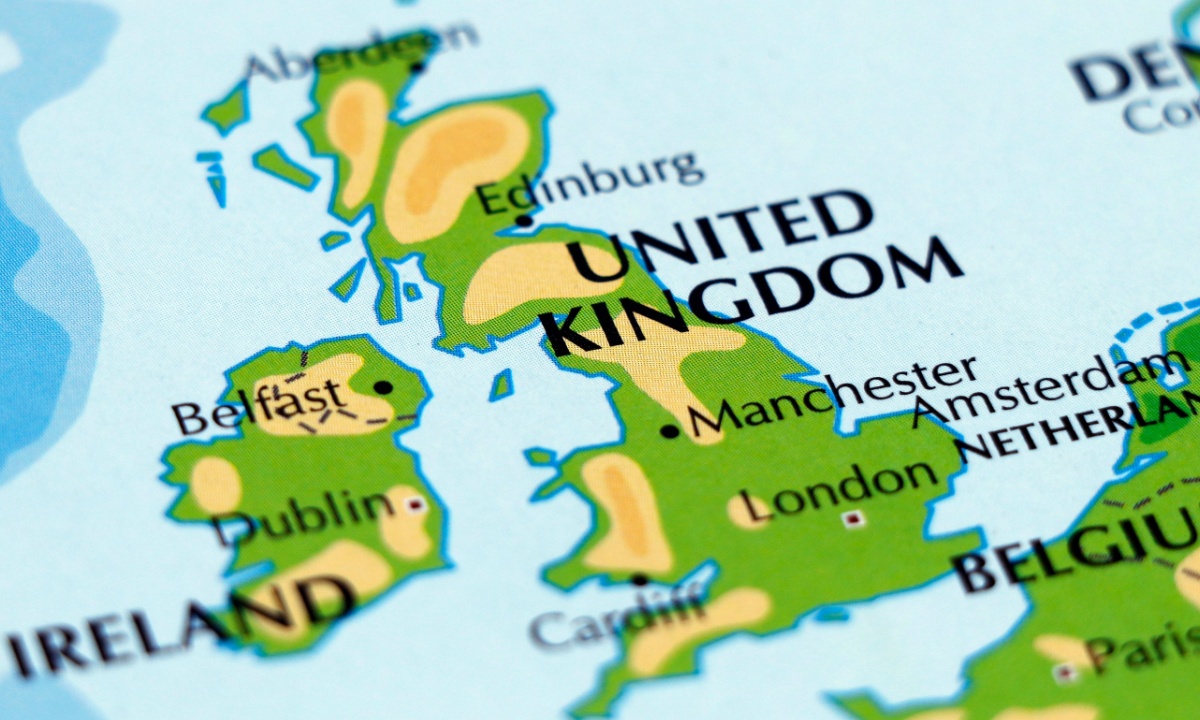
Fintech firms in London, Manchester, and Edinburgh are among the primary beneficiaries. These cities have long been recognized for their vibrant startup scenes and innovation-friendly environments. The investment will also support cybersecurity advancements, data analytics platforms, and cross-border payment systems.
Political and Economic Implications
This surge in financial activity comes at a critical juncture for the UK. As the nation continues to navigate the complexities of post-Brexit trade and regulatory independence, international investments such as this one provide both economic stimulus and geopolitical affirmation. It underscores the UK’s attractiveness as an investment destination amidst global uncertainty.
On the American side, the investment aligns with broader trends of U.S. firms seeking stable and innovation-rich environments abroad. The UK’s legal framework, robust financial markets, and cultural alignment with the U.S. make it an ideal partner for long-term collaboration.
Looking Ahead
Industry experts anticipate that this investment may pave the way for future cross-border initiatives, including joint ventures, acquisitions, and expanded trade agreements. As both nations prepare for the tech summit, expectations are high for announcements that could reshape the digital economy on both sides of the Atlantic.
The summit will also address key regulatory issues surrounding data privacy, digital currencies, and AI ethics. By fostering dialogue between public and private sector leaders, the event aims to build a resilient and innovative transatlantic tech corridor.
Ultimately, the $1.6 billion investment is more than a financial transaction—it’s a strategic move that could redefine the contours of U.S.-U.K. economic relations for years to come.
This article is inspired by content from Original Source. It has been rephrased for originality. Images are credited to the original source.