

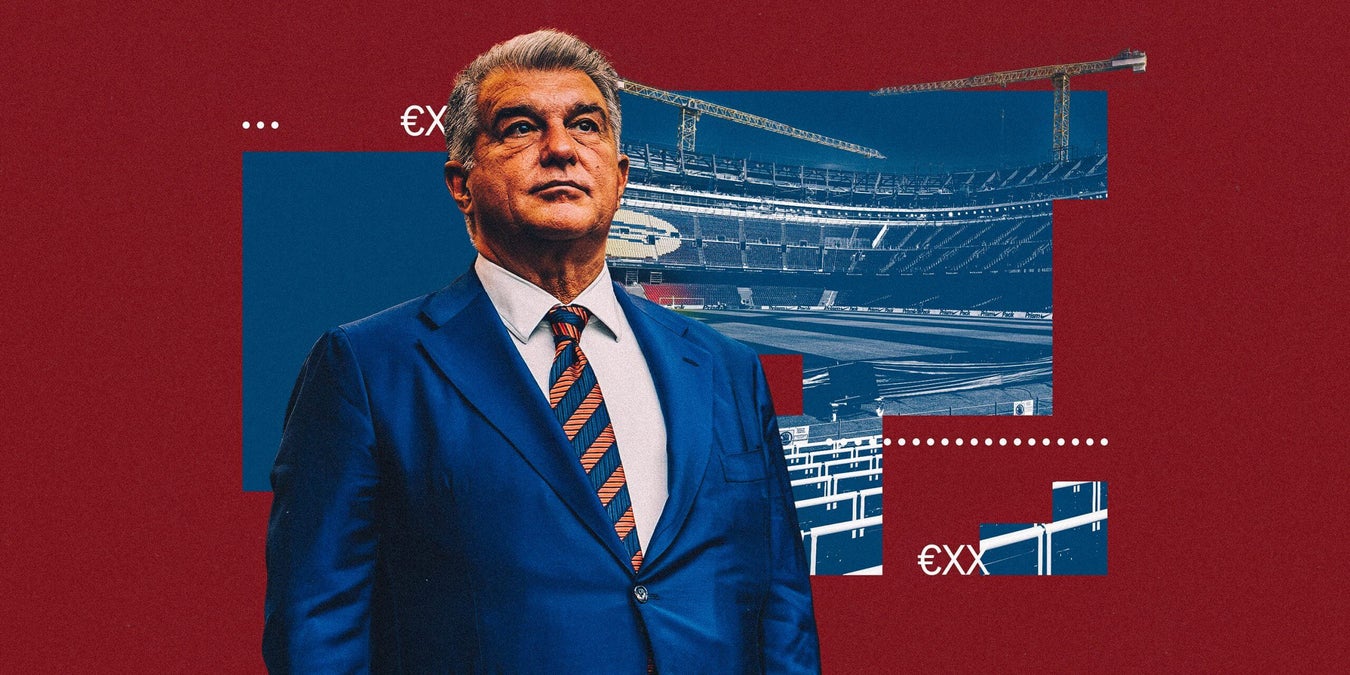
Barcelona’s Financial Odyssey: A Club in Flux
Barcelona, one of football’s most storied clubs, has endured a financial rollercoaster over the last decade. Once boasting one of the sport’s healthiest balance sheets, the Catalan giants have since grappled with spiraling debt, controversial asset sales, and a stadium overhaul that has tested their fiscal resilience.
In 2017, the sale of Neymar to Paris Saint-Germain for a record €222 million seemed like a windfall. But instead of stabilizing the club, it set off a chain reaction of extravagant spending. The club quickly reinvested those funds, splurging on players like Philippe Coutinho, Ousmane Dembele, and Antoine Griezmann—all with hefty price tags and accompanying wages.
The Cost of Superstar Salaries
Lionel Messi’s 2017 contract extension further strained finances. While it included a €700 million buyout clause, leaked documents later revealed the deal could cost the club over €500 million in salary, bonuses, and image rights over four years.
Messi’s deal, combined with other exorbitant player salaries, pushed staff costs to unsustainable levels. In 2017-18, 81.3% of Barca’s revenue went toward wages and transfer amortization—the most significant cost drivers for the club.
COVID-19 and the Financial Freefall
The COVID-19 pandemic exacerbated these issues. With stadiums closed and matchday revenues plummeting from €174.9 million to just €23.7 million, Barcelona was forced to defer salaries. By mid-2021, over €389 million in wages had been postponed, but the financial hole was already deep.
In October 2020, as the crisis deepened, club president Josep Maria Bartomeu resigned. Joan Laporta returned to the presidency in 2021, inheriting a financial mess. That year, Barcelona recorded a staggering €555.4 million pre-tax loss—the worst in football history.
The Rise of the Financial ‘Levers’
To regain financial footing, Laporta introduced a controversial tactic: ‘palancas,’ or financial levers. These involved selling future revenue streams for immediate cash. In 2022, Barcelona sold 25% of their La Liga TV rights to investment group Sixth Street for €667.5 million, providing an instant financial boost but at the cost of long-term income.
Additionally, Barca sold significant stakes in Barca Studios to Socios and Orpheus Media, raising €200 million. However, payments were delayed or incomplete, leading to impairments and auditor concerns. By 2024, the club had written down over €286 million related to Barca Vision.
Camp Nou Renovation: A Double-Edged Sword
Barcelona’s stadium renovation project, Espai Barca, was initially budgeted at €600 million in 2014. But costs have ballooned to over €1.5 billion. The project includes a revamped Camp Nou, a new Palau Blaugrana for other sports, and improved urban infrastructure.
So far, €975 million has been spent, with delays pushing the reopening date. The club has been playing home games at temporary venues, impacting both revenue and fan experience.
Mounting Debt and Creative Financing
Barcelona’s debt has soared. By June 2025, gross debt stood at €1.45 billion, driven largely by the stadium project. The club has relied on loans from Goldman Sachs and securitized future revenues to fund construction. A recent refinancing deal for €424 million came at a 5.19% interest rate—higher than Real Madrid’s comparable 3.2%, underscoring the cost of Barca’s financial instability.
La Liga and UEFA Scrutiny
Barcelona’s financial maneuvers have drawn scrutiny from both La Liga and UEFA. In 2022-23, Barca faced fines for misclassifying TV rights income. The following year, they breached UEFA’s Football Earnings rule and were fined €15 million, entering a two-year settlement agreement that could see them banned from European competition if breached again.
Signs of Recovery Amid Ongoing Challenges
Despite the turbulence, Barcelona reported a reduced pre-tax loss of €8.4 million for 2024-25. Commercial income is rebounding, driven by lucrative deals with Nike and Spotify. The club’s football wage bill remains high at €510 million but is more manageable than past peaks.
Barcelona has also reined in transfer spending. In the past two seasons, net outlay was just €3.9 million. However, the club still owes over €100 million in transfer installments for players like Raphinha and Kounde.
Looking Ahead
While the worst may be behind them, Barcelona’s path to full recovery remains uncertain. The successful reopening of Camp Nou is critical, as is keeping young stars like Lamine Yamal and Gavi, whose market values are sky-high.
Laporta’s presidency faces a key test in 2026 elections. His bold financial strategies have helped stabilize the club but carry long-term risks. Whether Barcelona can return to sustainable success without sacrificing competitiveness remains to be seen.
This article is inspired by content from Original Source. It has been rephrased for originality. Images are credited to the original source.