

Introduction
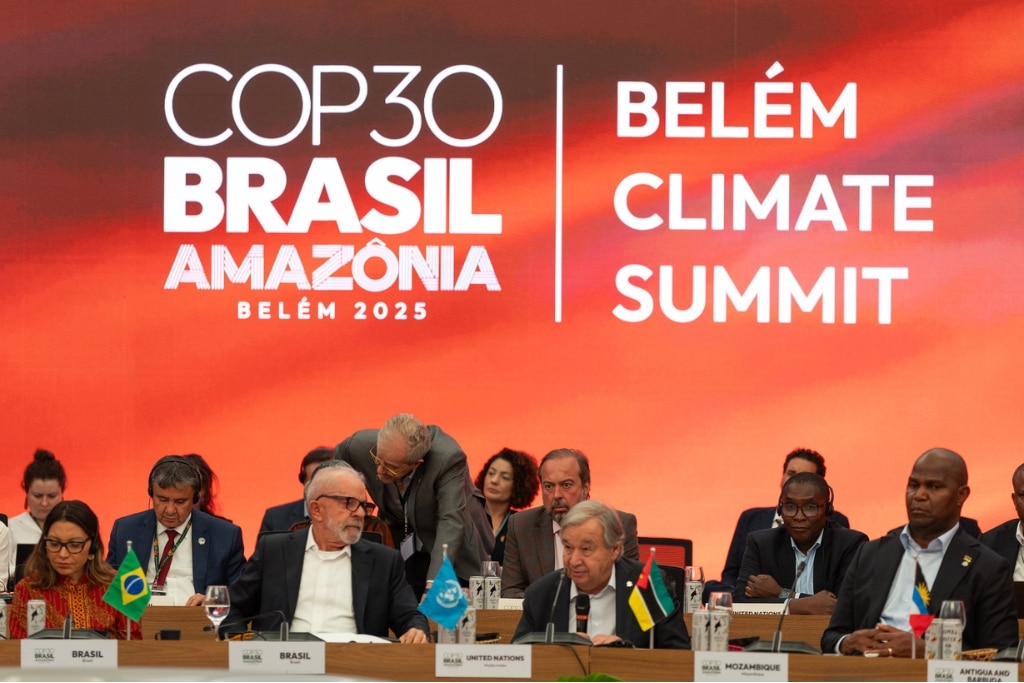
As the world prepares for the COP30 summit in Belém, Brazil, climate finance is expected to take center stage. With increasing urgency around climate change, world leaders will gather to discuss realistic pathways for funding climate action, especially in developing nations that are disproportionately affected by the climate crisis.
The 2025 conference, hosted by Brazil, is considered a critical milestone in global climate negotiations. It will serve as a platform not only to reassess commitments but also to push forward a more equitable system of climate financing.
The Growing Importance of Climate Finance
Climate finance refers to the financial resources provided by richer nations to help developing countries mitigate and adapt to the impacts of climate change. Historically, wealthier countries have pledged to mobilize $100 billion annually, but this target has repeatedly fallen short, leading to growing tensions and mistrust between nations.
The expectation at COP30 is to go beyond previous commitments and establish a transparent, accountable, and sufficient financial structure that can support climate action globally. The focus will be on both public and private sources of funding, with an emphasis on fair distribution and effective implementation.
Brazil’s Role in Hosting COP30
Hosting COP30 is a significant opportunity for Brazil to showcase its environmental leadership. As the largest country in the Amazon basin, Brazil plays a crucial role in global climate systems. The choice of Belém, a city situated at the gateway to the Amazon rainforest, is symbolic and strategic.
President Luiz Inácio Lula da Silva has promised to prioritize climate issues during his term. His administration’s efforts to curb deforestation and promote sustainable development are expected to feature prominently during the summit. Brazil is also pushing for stronger commitments from wealthier nations to support countries that are protecting critical ecosystems.
Key Issues to Watch
Several issues are expected to dominate the climate finance agenda at COP30:
- New Climate Finance Goals: Negotiators aim to define a new collective target that will replace the $100 billion annual pledge, which is set to expire in 2025. This new goal must reflect the scale of climate needs and be grounded in equity.
- Loss and Damage Funding: Developing countries are advocating for dedicated funds to compensate for the irreversible impacts of climate change, such as extreme weather events and rising sea levels. A loss and damage fund was agreed upon at COP27, but implementation details are still being worked out.
- Private Sector Engagement: Mobilizing private capital will be critical to closing the climate finance gap. COP30 will explore innovative mechanisms to de-risk investments and encourage corporate participation in sustainable projects.
- Accountability and Transparency: There is a growing demand for better tracking of climate finance flows. Countries are expected to propose frameworks that ensure funds are used effectively and reach the communities most in need.
Developing Countries Demand Fairness
Many developing nations are calling for a more just and inclusive financial system. They argue that historical polluters should bear a greater financial responsibility for the climate crisis. COP30 will likely feature heated debates over how to allocate resources fairly and how to ensure that the voices of vulnerable communities are heard.
Small Island Developing States (SIDS) and least developed countries (LDCs), in particular, will be advocating for simplified access to climate finance. These regions often face bureaucratic hurdles that delay or prevent vital funding from reaching them.
Looking Forward
COP30 is poised to be a transformative moment in global climate policy. The decisions made in Belém could determine the trajectory of international climate finance for the next decade. With growing public awareness and mounting climate impacts, the pressure is on world leaders to deliver meaningful outcomes.
While challenges remain, there is also a sense of cautious optimism. The global community recognizes that addressing climate finance is essential for achieving the goals of the Paris Agreement. If successful, COP30 could mark a turning point in the way the world funds climate action.
This article is inspired by content from Original Source. It has been rephrased for originality. Images are credited to the original source.