

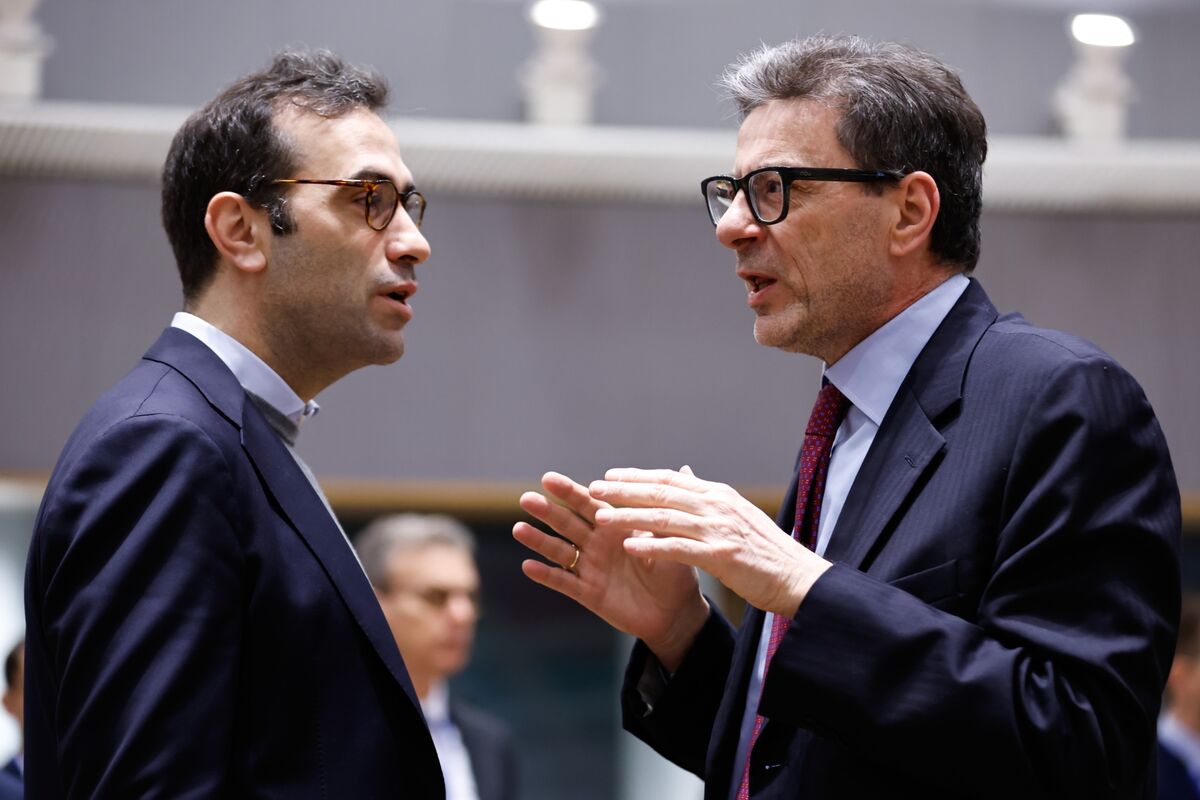
Italy Weighs Support for Spain in Eurozone Finance Leadership
Italy’s Finance Minister Giancarlo Giorgetti has expressed no intention of pursuing the soon-to-be-vacant euro-area finance chief position. However, according to individuals familiar with internal discussions, Italy may throw its support behind Spain’s Economy Minister Carlos Cuerpo should he choose to enter the race.
The post, a key role in shaping the eurozone’s fiscal direction, is becoming available, prompting member states to begin informal positioning. Cuerpo, who has earned respect from several of his European counterparts, is emerging as a potential candidate. Giorgetti, insiders say, holds a positive view of Cuerpo’s capabilities and may consider endorsing him if a candidacy is officially declared.
Giorgetti Declines Interest in Eurogroup Role
Despite speculation surrounding the leadership change in the Eurogroup—a collective of euro-area finance ministers—Giorgetti has made it clear that he does not intend to seek the position. According to sources who requested anonymity to discuss private conversations, Giorgetti prefers to continue focusing on domestic economic challenges and Italy’s fiscal policy priorities.
Italy’s potential backing of Spain underscores a shift in alliance dynamics within the European Union. While both Italy and Spain are among the largest economies in the euro area, they often find themselves on different sides of fiscal debates. A shared position on Eurogroup leadership could signal closer coordination between the southern European nations.
Spain’s Cuerpo Gaining Momentum
Carlos Cuerpo, Spain’s current Economy Minister, has increasingly become a prominent figure in European economic circles. Known for his technocratic background and policy expertise, Cuerpo is seen as a steady hand at a time when the eurozone faces multiple challenges, including inflation pressures, energy transition costs, and the need for fiscal consolidation after years of pandemic-related spending.
While Cuerpo has not officially announced his candidacy, speculation is growing. Diplomats suggest that if he were to run, he would likely garner support from other southern European countries and possibly even from some northern nations looking for a centrist candidate capable of bridging regional divides.
Strategic Alliances in the Eurogroup
Leadership of the Eurogroup is typically determined through consensus among the 20 euro-area finance ministers. The role includes chairing monthly meetings, guiding policy discussions, and representing the eurozone on the international stage. The current chair, Irish Finance Minister Paschal Donohoe, is expected to step down at the end of his term.
Italy’s support could be decisive. As the eurozone’s third-largest economy, its endorsement carries significant weight. Giorgetti’s potential backing of Cuerpo might also influence undecided countries, particularly those in central and eastern Europe, who often align their votes with larger member states.
Implications for Eurozone Policy
Should Cuerpo ascend to the Eurogroup chairmanship, it could reshape the bloc’s fiscal agenda. Spain has generally advocated for more flexible fiscal rules and increased investment in green and digital transitions—positions that align with Italy’s goals. A Spanish-led Eurogroup might prioritize inclusive growth and resilience over austerity, potentially altering the eurozone’s trajectory in the post-pandemic era.
Moreover, Cuerpo’s leadership could help stabilize southern European representation in key EU institutions, balancing the influence of northern states like Germany and the Netherlands that traditionally favor stricter fiscal discipline.
Next Steps and Timeline
The process for selecting the next Eurogroup president typically begins with informal consultations among finance ministers. Candidacies are expected to be declared in the coming months, with a formal vote likely in early 2026. The new chair’s term would last for two and a half years, with the possibility of renewal.
As discussions evolve, Italy’s final decision will depend on how the candidate field shapes up. While Giorgetti remains committed to his national role, he is closely monitoring developments and remains open to strategic alliances that advance Italy’s and Europe’s economic interests.
This article is inspired by content from Original Source. It has been rephrased for originality. Images are credited to the original source.