

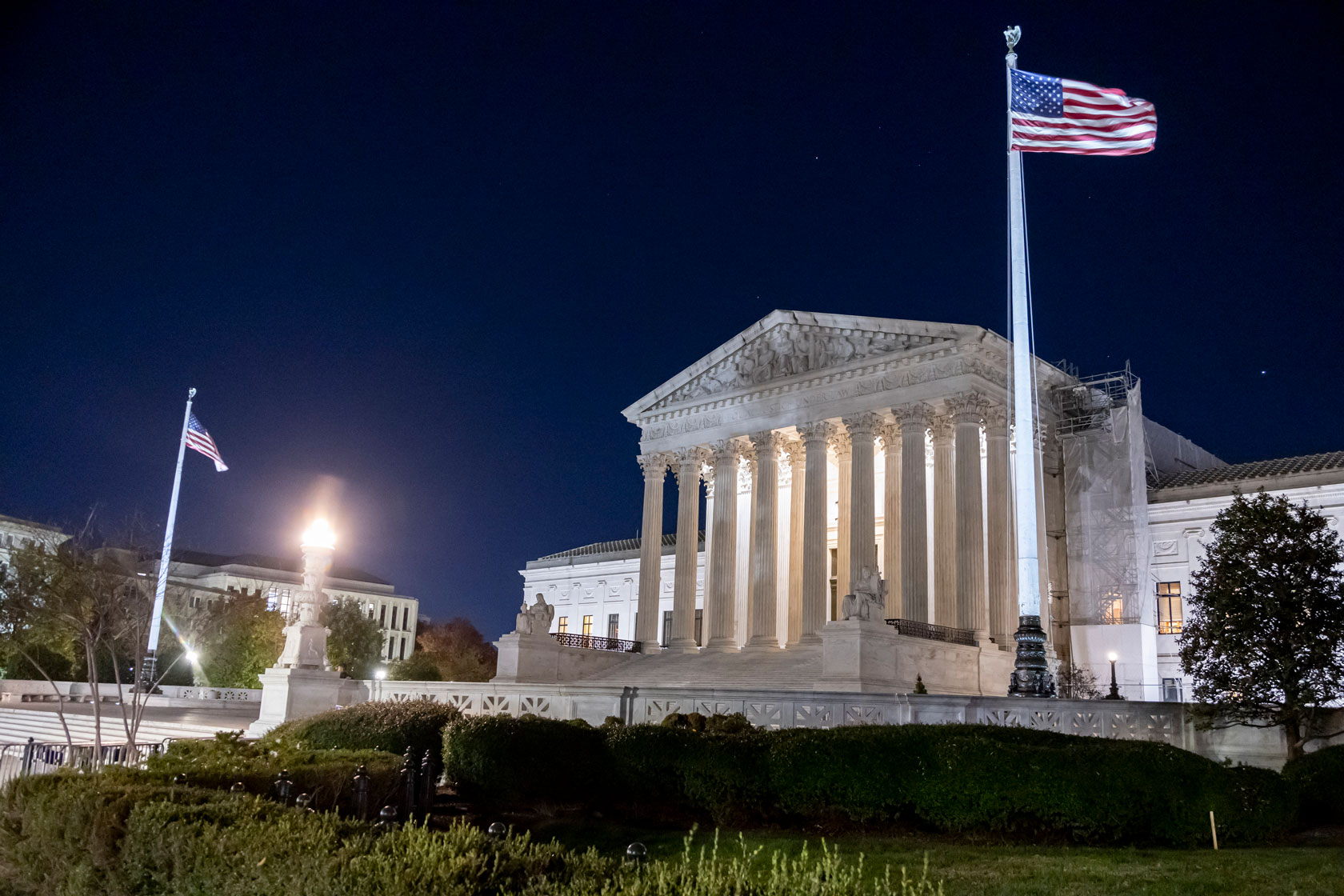
Supreme Court Poised to Revisit Campaign Finance Rules
The U.S. Supreme Court is once again under scrutiny for potentially revisiting key elements of campaign finance regulation. Legal experts and political analysts are raising alarms that the Court may create new loopholes for special interests to influence elections, thereby undermining decades of reform.
The concern stems from upcoming cases that question the constitutionality of limits on campaign contributions. If the Court rules in favor of removing or easing current restrictions, it could pave the way for wealthy donors and interest groups to exert even greater influence over political campaigns.
Citizens United and Its Lasting Impact
In 2010, the Supreme Court’s landmark decision in Citizens United v. Federal Election Commission dramatically reshaped the political landscape. The ruling allowed corporations and unions to spend unlimited amounts on political advertisements, so long as they were not directly coordinating with candidates. This gave rise to Super PACs and a surge in outside spending during elections.
Since Citizens United, the influence of money in politics has grown exponentially. Critics argue that the decision equated money with speech, giving disproportionate power to those who can afford to spend the most. Supporters, however, claim it protects First Amendment rights and promotes a wider array of political voices.
New Challenges Could Further Erode Reforms
Legal observers believe the Court may now go even further than Citizens United. Several pending cases could allow donors to bypass contribution limits altogether by funding committees or political groups with minimal oversight. This would effectively nullify current campaign finance laws and open the door to greater corruption in electoral politics.
One such case involves an effort to eliminate or weaken the cap on how much individuals can donate across multiple political candidates and committees. If the Court sides with the plaintiffs, a single wealthy donor could funnel enormous sums of money into the political system, greatly amplifying their influence.
Potential Consequences for Democracy
Experts warn that this shift could have serious consequences for democratic governance. Loosening campaign finance laws would likely lead to increased political polarization, as candidates become more dependent on large donors who often hold extreme views. It could also further marginalize average voters, whose voices are drowned out by the sheer volume of money in politics.
“We are heading toward a system where political power is determined not by the will of the people, but by the size of one’s bank account,” said a political ethics professor at a leading university. “That’s a dangerous precedent for any democracy.”
Congressional Inaction and the Role of the Judiciary
While some lawmakers have proposed legislation to increase transparency and limit campaign contributions, gridlock in Congress has made meaningful reform difficult. As a result, the burden of maintaining campaign finance integrity has increasingly fallen to the judiciary.
However, the current composition of the Supreme Court—marked by a conservative majority—has shown a consistent tendency to favor deregulation. This trend suggests the Court may not only decline to uphold existing laws but could actively dismantle them.
Public Opinion vs. Judicial Action
Public sentiment largely favors stricter campaign finance laws. Polls show that a majority of Americans believe money plays too large a role in politics and support limits on contributions and spending. Despite this, the judicial branch appears to be moving in the opposite direction, prioritizing constitutional interpretations that favor fewer restrictions.
This disconnect raises questions about judicial accountability and the role of the courts in shaping democratic norms. Critics argue that the courts should consider the broader societal impacts of their decisions, especially when they affect the integrity of elections.
Looking Ahead
As the Supreme Court prepares to hear new challenges to campaign finance regulations, the nation watches with anticipation and trepidation. The outcomes could redefine the rules of political engagement and reshape the balance of power in American democracy.
Whether the Court chooses to uphold existing safeguards or dismantle them in the name of free speech will have profound implications for the future of electoral integrity. For now, advocates of campaign finance reform are urging vigilance and public engagement to counteract what they see as a looming threat to democratic fairness.
This article is inspired by content from Original Source. It has been rephrased for originality. Images are credited to the original source.