

Ohio Expands Financial Literacy Approach in High Schools
Ohio high school students can now earn academic credit for working in school-based bank or credit union branches, thanks to a recent legislative change included in the state budget passed in June. This move is designed to integrate practical financial skills into the education system and reflects a broader national push to better prepare students for life after graduation.
Ohio is one of 30 U.S. states that now mandate a financial literacy class as a graduation requirement. The requirement, which began with students entering high school in the summer of 2022, is part of a growing recognition of the importance of financial education among young adults.
New Policy Allows Credit for In-School Banking Experience
Under the updated law, high schoolers who take part in managing or working at in-school branches of banks or credit unions can count that experience toward their mandatory financial literacy graduation requirement. The Ohio Credit Union League is currently collaborating with officials from the Ohio Department of Education and Workforce to finalize how the policy will be implemented across the state.
This policy aims to validate hands-on experience as a legitimate educational tool. Students participating in these programs actively handle real-world financial transactions, helping them apply classroom concepts to real-life situations.
Financial Literacy Education on the Rise Nationwide
Ohio’s financial literacy mandate aligns with a national trend that has seen a sharp increase in the number of students receiving personal finance instruction. According to the National Endowment for Financial Education, only 9% of high school students received financial literacy training in 2017. Today, that number has skyrocketed to 73%.
States like Ohio are leading the way by embedding financial education into the core curriculum. Topics typically covered include budgeting, managing debt, understanding credit, and identifying fraud. The goal is to equip students with the foundational knowledge needed to make informed financial decisions in adulthood.
Credit Unions Provide Real-World Teaching Platforms
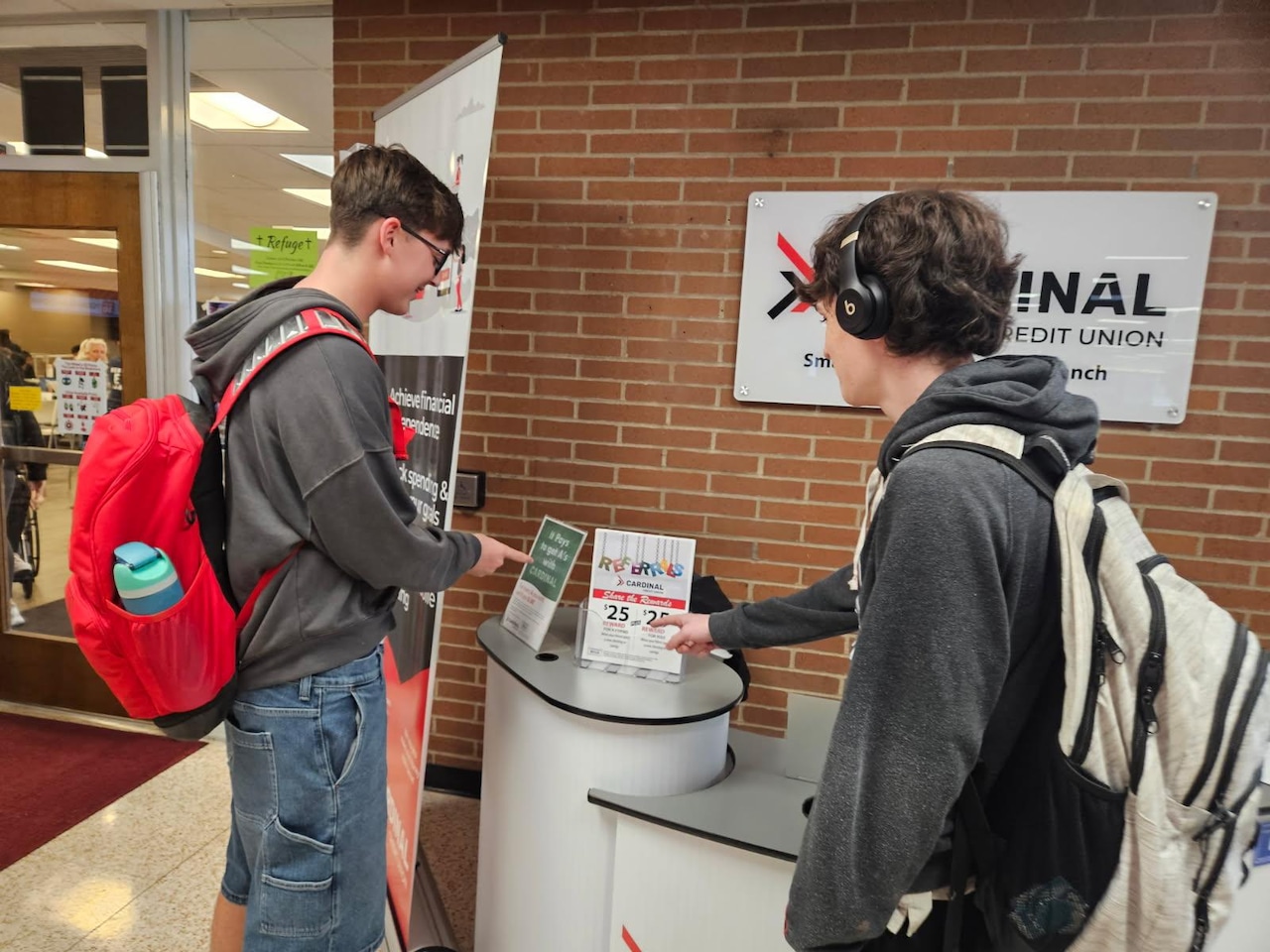
Credit unions across Northeast Ohio have played a pivotal role in delivering financial literacy programs. Institutions such as Cardinal Credit Union and Theory Federal Credit Union have operated school-based branches for years, giving students the chance to learn banking operations firsthand.
Students volunteer in these branches and engage in tasks like processing deposits, handling withdrawals, and even assisting with loan payments. Cardinal Credit Union, for example, currently runs five in-school branches, reinforcing the practical side of financial education.
Safe Environments Encourage Learning from Mistakes
To foster experiential learning, some credit unions deposit small sums of money into student accounts. This allows students to practice financial management skills such as writing checks, tracking expenses, and making transactions in a controlled, low-risk environment.
Michael DeSantis, educational finance coordinator for Cardinal Credit Union, emphasized the importance of this model, stating that it allows students to “afford to make minor mistakes.” This safe space for trial and error is seen as essential for building financial confidence and competence.
Financial Lessons Fuel Entrepreneurial Success
The impact of these programs extends beyond the classroom. Former students have credited their financial literacy education with helping them launch successful business ventures. Among them are Derek and Dominik Zirkle, 24-year-old twins who attended Madison High School and took part in a course sponsored by Theory Federal Credit Union.
Using the skills they learned, the Zirkle twins founded D & D Meadery, a honey wine business, in 2024. Today, their company distributes products to over 300 retail outlets. They attribute the class with giving them the “foundations to begin the journey” toward entrepreneurship.
Looking Ahead: Implementing the New Law
As the new law takes effect, education and financial leaders are working to ensure consistent implementation across districts. The Ohio Department of Education and Workforce, in collaboration with credit union groups, is developing guidelines to standardize how student work in school branches will count toward graduation requirements.
With financial literacy becoming a key component of high school education, Ohio is striving to prepare students not only for college or careers, but also for the fiscal realities of adult life. By linking classroom learning to real-world experiences, the state is setting a new standard for financial education nationwide.
This article is inspired by content from Original Source. It has been rephrased for originality. Images are credited to the original source.