

U.S. Military Subsidies Vastly Outpace Climate Finance
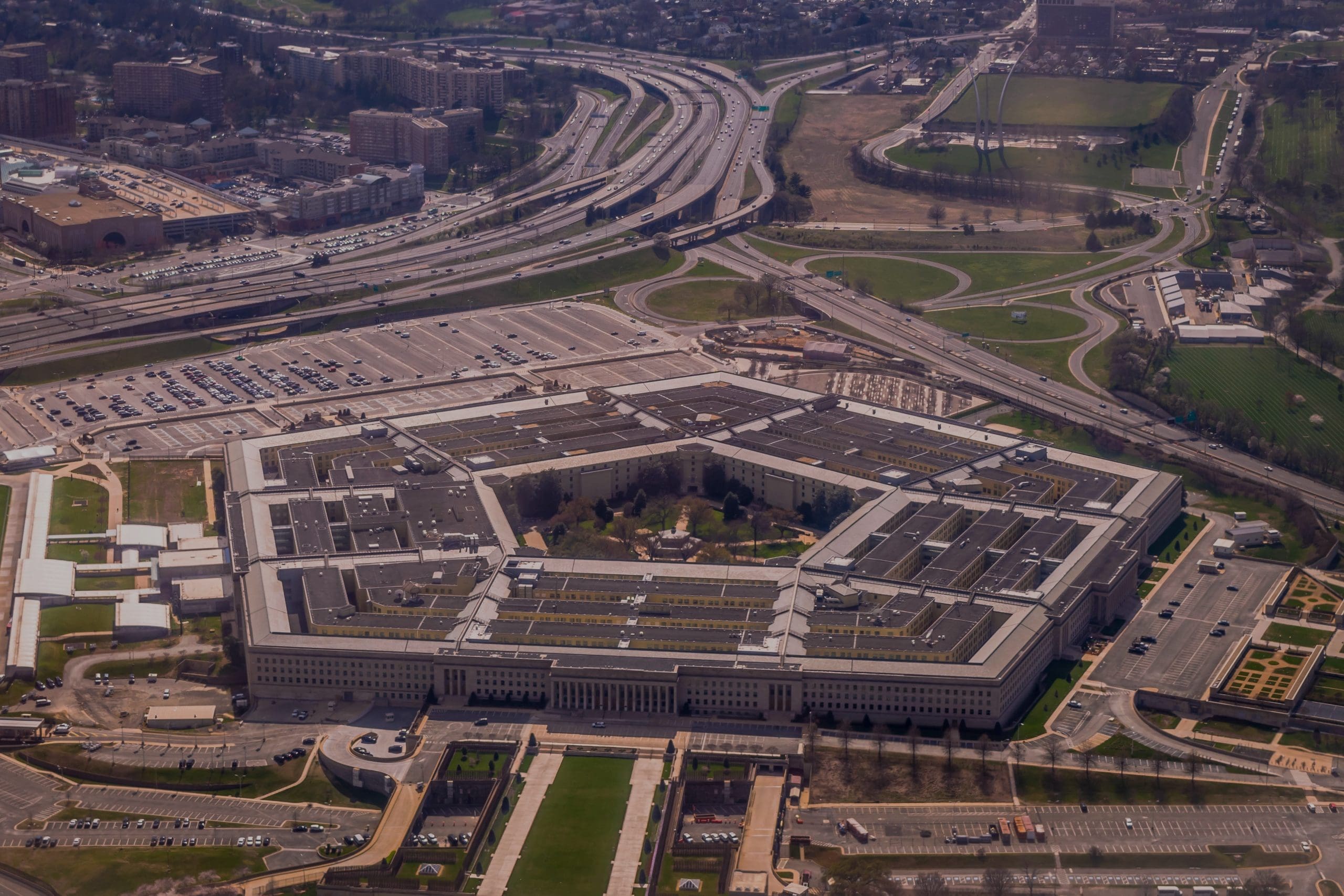
In the decade since the Paris Agreement was adopted in December 2015, the United States has allocated a staggering $79 billion to support foreign arms sales, compared to a mere $2 billion contribution to the Green Climate Fund. This disparity highlights a stark imbalance in federal budget priorities, raising concerns among environmental and peace advocates alike.
The Paris Agreement was designed to mobilize substantial international climate finance to help the most vulnerable nations adapt to and mitigate the effects of climate change. Yet, the U.S., despite being the world’s wealthiest nation and its largest historical carbon emitter, continues to invest far more in military subsidies than in climate solutions.
Billions for Arms, Pennies for the Planet
Through the Foreign Military Financing (FMF) program, the U.S. government provides grants to foreign countries to purchase weapons exclusively from American manufacturers. The primary beneficiaries of this program include major defense contractors such as Lockheed Martin. Since 2015, this program alone has received $79 billion in taxpayer funding.
Conversely, the United States has contributed only $2 billion to the Green Climate Fund. This fund is the primary international mechanism under the United Nations Framework Convention on Climate Change (UNFCCC) for distributing climate finance to developing countries. These nations are often the least responsible for climate change but face its most severe impacts.
Falling Short on Global Commitments
The Paris Agreement explicitly calls on wealthy nations to lead in providing climate finance, citing their historical responsibility for greenhouse gas emissions. The Green Climate Fund was established to channel this support effectively. However, ten years later, countries like the United States have failed to meet their financial commitments.
Despite its economic and political influence, the U.S. ranks only sixth in pledged contributions to the Green Climate Fund. This shortfall has left many vulnerable nations without the resources needed to build climate resilience, adapt to rising sea levels, and recover from extreme weather events.
A Policy Choice with Global Consequences
This funding gap is not accidental but reflects a deliberate policy choice. By heavily subsidizing arms sales, the U.S. government supports a cycle of militarization and conflict. Meanwhile, underfunding climate initiatives undermines efforts to address a crisis that threatens global stability, public health, and economic security.
Surveys indicate that most Americans disagree with these priorities. A 2019 poll found that 70 percent of respondents believed that arms sales made the U.S. less safe. Furthermore, a 2022 survey revealed that three-quarters of U.S. adults support participation in international efforts to reduce the effects of climate change.
Time to Rebalance National Priorities
On the tenth anniversary of the Paris Agreement, it is imperative for U.S. policymakers to reassess how foreign aid is distributed. Redirecting a portion of military subsidies toward climate finance would not only align with public opinion but also fulfill international commitments and moral obligations.
The U.S. has been a leading contributor to global greenhouse gas emissions. As such, it bears a heightened responsibility to support mitigation and adaptation efforts worldwide. Instead of subsidizing weapons manufacturers that profit from conflict, the government should invest in sustainable development and environmental protection.
Rebalancing these priorities is not just a moral imperative—it is also a strategic one. Climate change poses a greater long-term threat to national and global security than any single geopolitical adversary. Addressing it requires bold leadership and adequate funding.
Looking Ahead
As climate-related disasters increase in frequency and severity, the need for robust international cooperation is more urgent than ever. The Green Climate Fund remains a crucial tool for channeling resources to frontline communities. However, its effectiveness depends on the willingness of wealthy nations, especially the United States, to contribute their fair share.
Public awareness and pressure on elected officials can help shift the focus from militarization to climate action. With overwhelming evidence and popular support for climate initiatives, the time for change is now. It is essential that the U.S. lead by example and demonstrate that a safer, more sustainable future is possible.
This article is inspired by content from Original Source. It has been rephrased for originality. Images are credited to the original source.