

Ohio Unveils Election Integrity Commission
Starting January 1, 2026, Ohio will officially replace its long-standing Ohio Elections Commission with a brand-new oversight body—the Ohio Election Integrity Commission. This transition, approved as part of the state’s budget, comes amid calls by Republican lawmakers for more effective enforcement of campaign finance laws and election integrity rules.
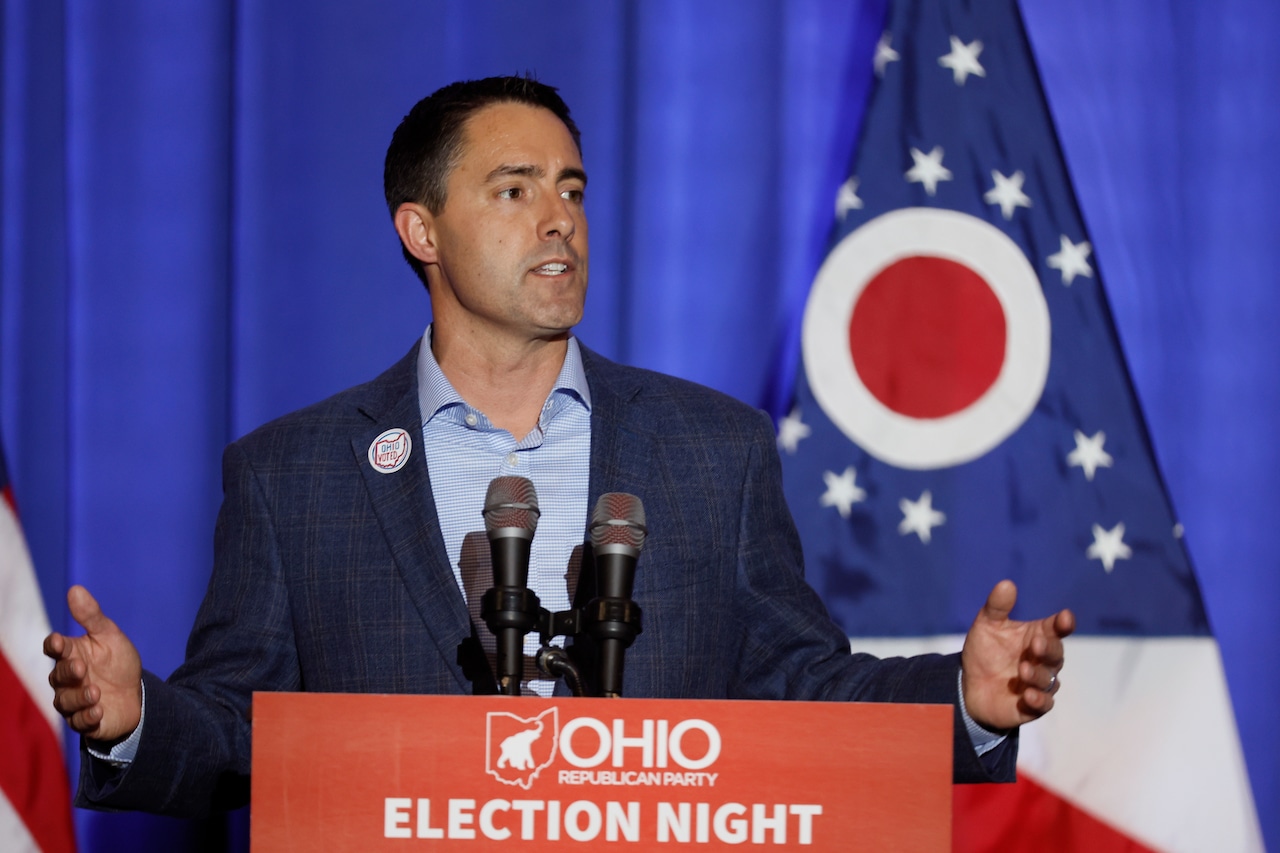
Ohio Secretary of State Frank LaRose has been one of the leading voices in support of the change. Citing what he describes as the ineffectiveness of the former commission, LaRose highlighted nearly $100 million in uncollected fines as a key example of the system’s failure. “It sends a terrible message that you can break the law and get away with it,” he said in May 2025.
Restructuring Oversight and Powers
The previous Ohio Elections Commission consisted of seven members—three Republicans and three Democrats appointed by the governor, with a seventh independent member chosen by the group. Under the new system, the Ohio Election Integrity Commission will have five members, and the Secretary of State will appoint the chair. The remaining four members will be appointed by legislative leaders from both parties—two Republicans and two Democrats.
At least three members must be attorneys, and all must have backgrounds in either legal practice or election-related roles. This new appointment structure has raised concerns among Democrats, who argue that giving the Secretary of State the authority to appoint the chair could skew the commission’s neutrality, especially since the chair may serve as a tie-breaking vote.
Enhanced Tools for Enforcement
Unlike its predecessor, the new commission is expected to wield more effective tools in managing election-related violations. While the old commission could issue fines and refer cases to prosecutors, it had limited influence over whether those penalties were enforced. LaRose previously described it as a “toothless and inconsistent shell” of what it was intended to be.
A major factor behind the previous commission’s decline in authority was a 2014 U.S. Supreme Court ruling that invalidated Ohio’s “false statements” law, significantly curtailing the commission’s capacity to regulate campaign speech. Critics like Rep. Brian Stewart, a Republican from Ashville, argued that the commission had ample time to adapt but failed to do so.
The new commission will be empowered to make criminal referrals and recommend fines directly to the Secretary of State. Violations they will address include ballot harvesting, petition fraud, double voting, and voter registration fraud.
Appointments and Leadership
To lead the transition, LaRose has appointed retired Ohio Supreme Court Justice Terrence O’Donnell as interim chair of the commission. O’Donnell will serve for the first 90 days, after which D. Michael Crites will take over as chair. Crites, a former U.S. attorney for the Southern District of Ohio and a Navy veteran, also previously chaired the Ohio Elections Commission.
However, Crites’ appointment will not take effect until March 2026, when Senate Bill 293 becomes law. This bill eliminates existing rules that had barred individuals serving on other state boards or commissions from joining the Election Integrity Commission.
Democratic and Republican leaders have also finalized their appointments to the new body:
- John Lyall was appointed by House Minority Leader Dani Isaacsohn. Lyall, the former president of AFSCME Ohio Council 8, had already been serving on the old commission, with a term originally set to end in 2026.
- Eben “Sandy” McNair IV, selected by Senate Minority Leader Nickie Antonio, brings decades of experience in election law. McNair is a former member of the Cuyahoga County Board of Elections and a practicing attorney in both state and federal courts.
- Karl Kerschner, chosen by Republican Senate President Rob McColley, served on the former commission. Kerschner is currently the chief legal officer for Roppe Corp. and a board member for Reineke Family Dealerships.
- Matthew Brown was appointed by Republican House Speaker Matt Huffman of Lima.
Partisan Concerns and Future Outlook
Despite bipartisan representation, the restructuring has not gone without criticism. Democrats fear that placing the commission under the influence of a partisan elected official could erode the independence once provided by the previous commission. They argue that these changes may compromise public trust in Ohio’s electoral process.
Nonetheless, supporters believe the Ohio Election Integrity Commission will bring much-needed oversight and efficiency to the enforcement of campaign finance and election laws. Whether this new structure will result in more accountability remains to be seen, but its success will be closely watched as it begins operations in 2026.
This article is inspired by content from Original Source. It has been rephrased for originality. Images are credited to the original source.