

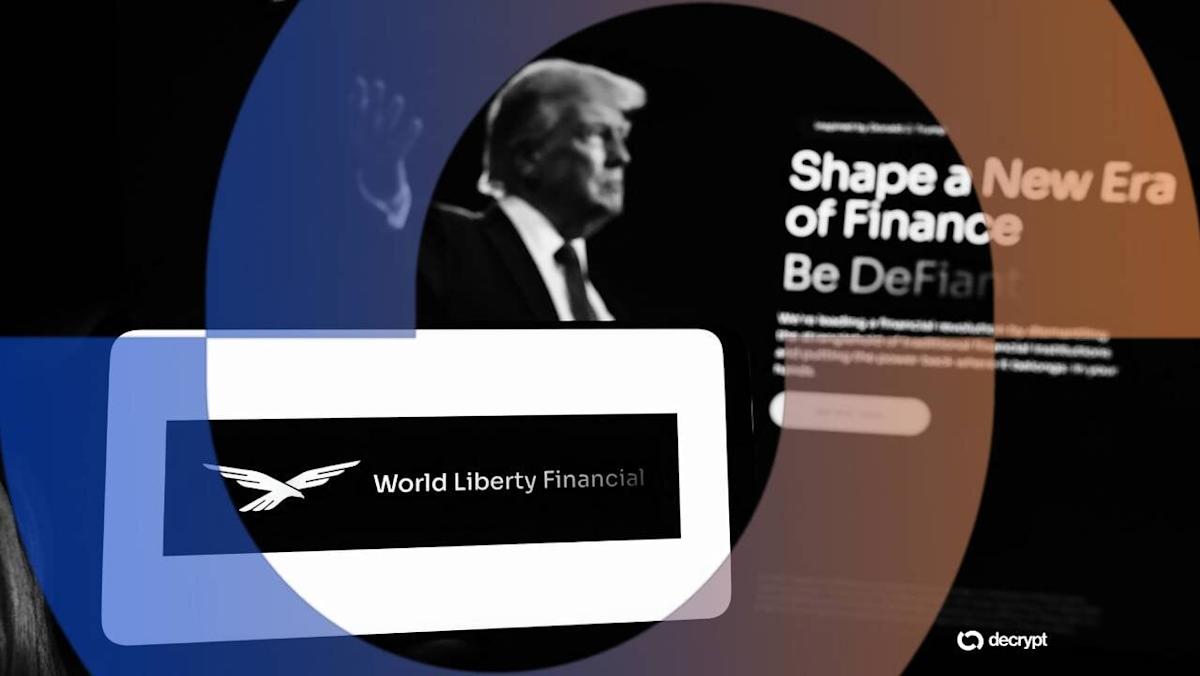
World Liberty Financial Targets Federal Oversight
World Liberty Financial, a cryptocurrency firm with reported ties to former President Donald Trump’s family, has officially submitted an application to the U.S. Office of the Comptroller of the Currency (OCC) to form a national trust bank. The proposed institution, named World Liberty Trust Company (WLTC), aims to bring the company’s USD1 stablecoin under direct federal regulation.
If approved, WLTC would gain authorization to manage the issuance and redemption of USD1, convert other major stablecoins into USD1, offer custody services for both fiat and stablecoins, and handle the reserve assets backing the stablecoin. According to Mack McCain, general counsel for World Liberty Financial and the proposed trust officer for WLTC, the goal is to offer these services in a “highly regulated, transparent manner.”
Understanding Stablecoins and Regulatory Challenges
Stablecoins are digital assets pegged to the value of a reference asset such as the U.S. dollar. They are designed to offer price-stable transactions and serve as digital payment and settlement instruments. However, federal regulatory approval for such ventures remains rare. To date, Anchorage Digital is the only crypto-native firm to receive a national trust bank charter from the OCC, which supervises approximately 60 national trust banks. Anchorage’s charter was only conditionally approved in 2021, setting a precedent that highlights the high bar for new applicants.
Unlike fintech firms like PayPal that have pursued state-level banking licenses to offer deposit-taking services, World Liberty Financial is seeking a national trust charter. This type of charter does not allow lending or insured deposits but does authorize custody and settlement functions, making it more aligned with the company’s objectives.
A Structural Upgrade for USD1
According to Chris Loeffler, CEO of Nasdaq-listed Caliber, obtaining a federal trust charter would represent a “structural upgrade” for USD1. It would transition the stablecoin from a mere trading instrument to a reliable settlement tool. Loeffler emphasized that as digital assets become more widely adopted for transactions, having federally regulated infrastructure is essential to ensure that value does not fluctuate during settlements.
Currently, stablecoin issuers like World Liberty operate under state licenses, which often necessitate partnerships with traditional financial institutions. Loeffler pointed out that this model introduces counterparty risk and reduces issuer profitability. A federal charter would eliminate many of these frictions, making it a more attractive option for stablecoin providers aiming for widespread adoption in both traditional finance (TradFi) and decentralized finance (DeFi).
Implications for Future Regulation
Loeffler also noted that World Liberty’s move may serve as a bellwether for future regulatory developments around stablecoins. It could indicate how the federal government plans to allocate national trust bank charters and influence legislative discussions. “It will be a niche option to the extent that the federal government meters out how many of these charters can be obtained,” he said.
Because World Liberty Financial operates on public blockchain networks and offers token-based services, its infrastructure is well-suited for DeFi applications. The firm launched its USD1 stablecoin in March of last year, along with WLFI, its governance token. These initiatives reflect the ongoing convergence of regulated financial services and decentralized technologies.
Scrutiny Over Ownership and Political Ties
Despite its technological advancements, World Liberty Financial has faced scrutiny over its ownership structure and financial disclosures. Documents related to the USD1 token sale indicate that a Trump-linked entity was initially entitled to a substantial share of the proceeds. That stake was reportedly reduced amid a U.S. Senate inquiry into Trump’s connections to cryptocurrency ventures.
Lawmakers have also raised concerns about USD1’s involvement in politically sensitive actions and its listings on major crypto exchanges. The companies involved have denied any wrongdoing and maintain that their operations comply with all applicable regulations.
Setting a New Standard for Crypto Banking
If the OCC approves World Liberty Financial’s charter, it could set a new standard for how stablecoin issuers operate within the federal regulatory framework. The move is particularly significant in a landscape where only one other crypto-native firm has achieved such approval. For World Liberty, the charter would not only enhance the credibility of USD1 but also position the company as a leader in the evolving stablecoin market.
In a rapidly changing financial ecosystem, this application signals a potential shift toward greater institutional acceptance and stricter oversight of digital assets. As the OCC evaluates the proposal, industry stakeholders will be watching closely to see how this decision could shape the future of crypto regulation in the United States.
This article is inspired by content from Original Source. It has been rephrased for originality. Images are credited to the original source.