

Japan and US Officials Voice Worry Over Yen Depreciation
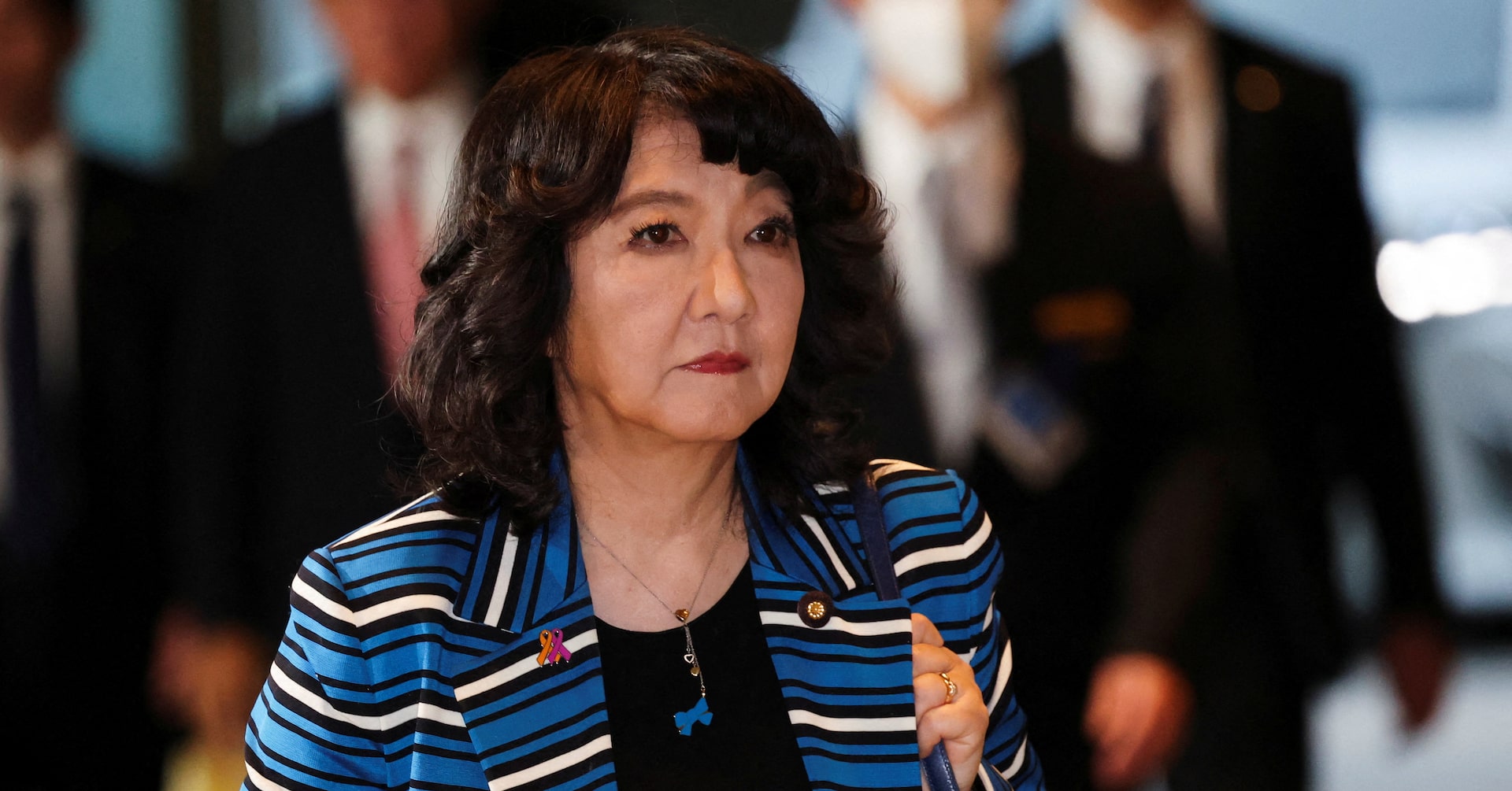
Japan’s Finance Minister Satsuki Katayama has publicly expressed shared concerns with U.S. Treasury Secretary Scott Bessent regarding the yen’s recent sharp decline, which she described as a “one-sided depreciation.” The Japanese currency recently fell to its lowest level in a year, prompting a renewed focus on foreign exchange dynamics between two of the world’s largest economies.
Speaking to reporters in Washington, Katayama stated, “I conveyed my deep concern over the one-sided depreciation of the yen, seen also on January 9, and Secretary Bessent shared this view.” Her comments followed a bilateral discussion with Bessent held alongside a broader multilateral meeting focused on critical mineral supply chains.
Foreign Exchange Turbulence Raises Alarm
The yen’s recent decline comes on the heels of political developments in Japan. Reports emerged suggesting that Prime Minister Sanae Takaichi may call a snap election in February, aiming to capitalize on her soaring approval ratings. The speculation has fueled market movements, with the U.S. dollar climbing past 158 yen—its highest point in a year.
This sharp movement in currency values has raised concerns among policymakers in Tokyo, who fear the depreciation could undermine economic stability. A weaker yen can increase the cost of imports, particularly energy and food, and weigh on domestic purchasing power.
Geopolitical Tensions and Trade Restrictions
In addition to economic concerns, Katayama took the opportunity to highlight growing tensions with China regarding export controls. She addressed the multilateral gathering to express Japan’s concerns over Beijing’s newly implemented ban on exports of dual-use items—goods that can serve both civilian and military purposes—that are bound for Japan’s defense sector.
“I told the meeting that it’s highly problematic because it covers an extremely broad range of items with vague wording and includes re-export restrictions that affect third countries, including the members present in the meeting,” Katayama explained. These restrictions may also encompass critical minerals essential for advanced manufacturing and defense technologies.
Multilateral Cooperation on Critical Minerals
The finance ministers’ meeting was part of a broader effort to strengthen global cooperation on the supply and security of critical minerals. These resources are vital for technologies ranging from electric vehicles to semiconductors and play a crucial role in national security strategies.
Japan, which lacks abundant natural resources, is particularly vulnerable to disruptions in mineral supply chains. The recent export controls by China underscore the importance of building resilient and diversified supply routes among partner nations.
Political and Economic Implications
Prime Minister Takaichi’s potential call for early elections adds a layer of political complexity to the already volatile economic landscape. If successful, an early vote could provide her administration with a stronger mandate to implement expansionary fiscal policies, which may include increased public spending and infrastructure investment. However, such policies could also influence inflation and exchange rate dynamics, potentially putting further pressure on the yen.
Katayama’s remarks suggest that Japan is seeking stronger alignment with its international partners, particularly the United States, to manage both currency volatility and strategic supply chain issues. The acknowledgment by Secretary Bessent of shared concerns over the yen may signal increased coordination between the two countries’ financial authorities moving forward.
Global Market Reactions
Markets across Asia have responded to the developments with mixed signals. While some investors have welcomed the possibility of continued fiscal stimulus in Japan, others remain wary of the long-term implications of a weaker yen. Currency traders are closely monitoring statements from officials in both Tokyo and Washington for signs of potential intervention or policy shifts.
Meanwhile, the broader geopolitical landscape remains tense. With China’s restrictive export policies affecting not only Japan but also other countries involved in the meeting, there is growing momentum toward collective action to secure alternative sources for critical materials.
Katayama’s comments reflect Tokyo’s broader strategic objectives: to maintain currency stability, ensure access to vital resources, and bolster international cooperation in the face of mounting economic and security challenges.
This article is inspired by content from Original Source. It has been rephrased for originality. Images are credited to the original source.