

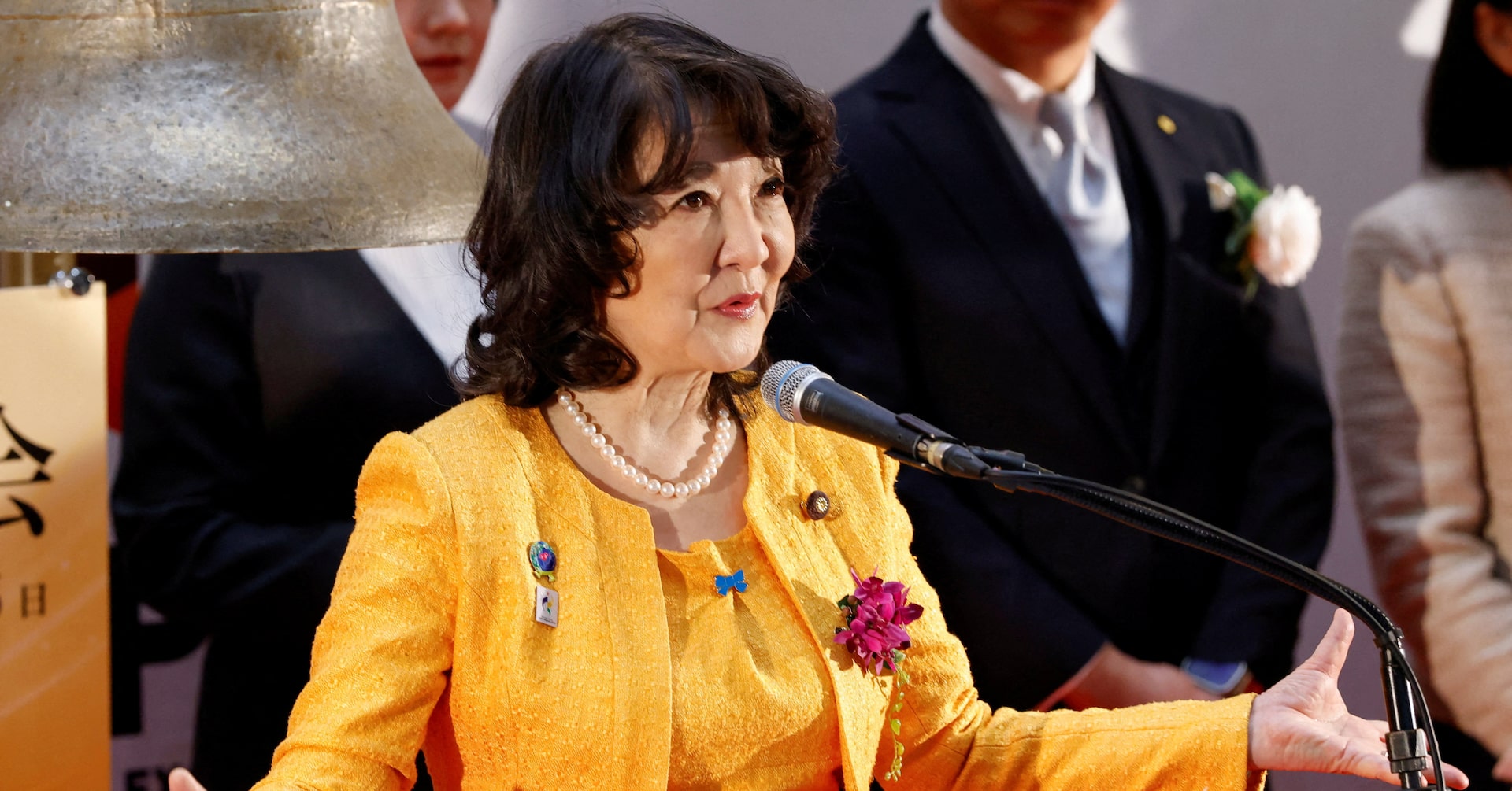
Japan’s Finance Minister Emphasizes Caution with FX Reserves
Japan must adopt a professional and deliberate approach when considering the use of its substantial foreign exchange (FX) reserves to fund government spending or implement tax cuts, Finance Minister Satsuki Katayama stated on Sunday. Her remarks highlight the complexities and potential consequences of utilizing such reserves amid volatile currency markets.
Speaking during a televised program, Katayama acknowledged that while tapping into Japan’s vast FX reserves could be a viable option in light of recent movements in the yen, it is not without risks. These reserves, she noted, play a crucial role in currency market interventions and must be managed with care.
FX Reserves as a Fiscal Tool
Japan holds some of the world’s largest FX reserves, accumulated through years of trade surpluses and foreign asset investments. While these reserves offer a financial cushion, Katayama emphasized that accessing them for budgetary purposes would require a strategic and well-informed plan.
“The prime minister is fully aware of the sensitivity surrounding this issue,” Katayama said. “We must assess market reactions and determine the most effective asset management strategy for Japan. A professional approach is essential to avoid unintended consequences.”
She added that the government might engage in market dialogue as early as Monday to address concerns and explain its stance if necessary.
Market Implications and Risk Management
Katayama’s comments come amid growing debate over how Japan should finance new fiscal measures, including potential tax cuts aimed at stimulating the economy. With debt levels high and inflation pressures lingering, policymakers are exploring alternative funding sources.
However, using FX reserves for domestic spending poses risks to Japan’s credibility in global financial markets. These reserves are typically used to stabilize the yen during times of excessive volatility, and diverting them could undermine Japan’s ability to intervene in the currency market when needed.
“We cannot afford to send the wrong signals to investors or cause instability in the yen’s value,” Katayama cautioned. “Any move must be communicated clearly and executed with market confidence in mind.”
Government’s Financial Strategy Under Scrutiny
Japan’s fiscal strategy has come under increased scrutiny as economic growth remains modest and demographic challenges persist. Although the government has managed to keep borrowing costs low, the pressure is mounting to demonstrate fiscal discipline while still supporting economic recovery.
Katayama’s call for a cautious approach aligns with efforts to maintain market trust and avoid triggering capital flight or currency devaluation. She reiterated the importance of transparency and professionalism in managing sovereign assets.
Looking Ahead
While the idea of tapping FX reserves is not entirely new, it gains renewed attention as Japan seeks innovative ways to bolster its economy without excessively increasing public debt. Katayama’s remarks suggest that any such decision will be made with input from financial experts and market stakeholders.
“If the situation demands, we will ensure open communication with the markets in various forms,” she said, signaling the government’s intent to maintain stability and predictability in its financial policies.
Analysts believe that while the option remains on the table, Japan is unlikely to aggressively utilize its FX reserves unless absolutely necessary. Market watchers will closely monitor upcoming government statements and fiscal announcements for further clarity.
This article is inspired by content from Original Source. It has been rephrased for originality. Images are credited to the original source.