

Revolutionizing Financial Education with AI
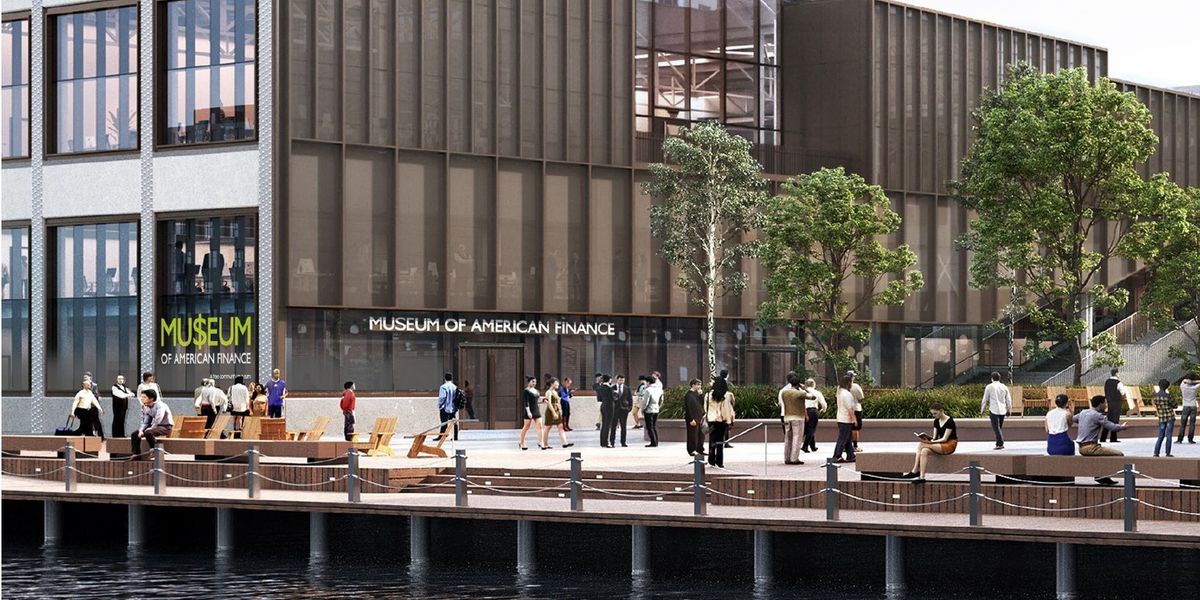
The Museum of American Finance has officially opened its doors in Boston, introducing an innovative approach to financial education. At the heart of the new museum experience is an AI-generated Alexander Hamilton, designed to engage visitors and make financial literacy accessible to all. This groundbreaking initiative marks a significant milestone in the evolution of financial education, offering a fresh and interactive way for people to learn about the history and principles of finance.
Interactive Learning Through AI Technology
The inclusion of an AI-powered version of Alexander Hamilton, one of America’s founding fathers and the nation’s first Secretary of the Treasury, promises to transform the museum experience. Visitors can interact with the digital Hamilton, asking questions about financial history, the foundations of the American financial system, and the importance of financial education in today’s world. By leveraging advanced AI, the museum aims to engage audiences of all ages and backgrounds, making financial concepts more relatable and easier to understand.
Empowering Visitors with Financial Knowledge
The mission of the Museum of American Finance is clear: to make financial education accessible to everyone. The AI Hamilton is programmed to guide visitors through a range of exhibits covering topics such as the history of banking, the evolution of currency, and the impact of financial innovation on society. These interactive sessions help demystify complex financial concepts, empowering visitors to make informed financial decisions in their daily lives.
Bridging History and Innovation
By combining state-of-the-art AI technology with historical storytelling, the museum creates a dynamic learning environment. The AI Hamilton not only shares insights about his life and contributions to the American financial system but also discusses contemporary financial challenges and trends. This blend of past and present reinforces the museum’s commitment to promoting financial education that is both relevant and engaging.
Accessibility at the Forefront
One of the core goals of the museum’s new initiative is to break down barriers to financial education. The use of AI allows the museum to offer personalized learning experiences, catering to visitors’ unique interests and levels of financial knowledge. Whether someone is a student just beginning to learn about money management or an adult seeking to enhance their financial literacy, the museum provides tools and resources to support lifelong learning.
Boston: A New Home for Financial Learning
Choosing Boston as the location for the new Museum of American Finance reflects the city’s rich history in commerce and innovation. As a hub for education and technology, Boston offers the perfect setting for a museum dedicated to advancing financial education through cutting-edge methods. The opening of the museum is expected to draw visitors from across the country, further establishing Boston as a leader in educational innovation.
Future Plans and Expanding Impact
Looking ahead, the Museum of American Finance plans to expand its use of AI and digital tools to reach even more people. There are ongoing efforts to develop virtual exhibits and online resources, ensuring that the benefits of financial education extend beyond the museum’s physical walls. By embracing technology, the museum hopes to inspire a new generation to take charge of their financial futures.
Conclusion: Pioneering a New Era in Financial Education
The opening of the Museum of American Finance in Boston, highlighted by its AI Alexander Hamilton exhibit, marks a pivotal moment in the drive to make financial education more interactive and inclusive. By merging historical expertise with technological innovation, the museum sets a new standard for how financial literacy can be taught and experienced. As financial education becomes increasingly vital in today’s complex world, initiatives like this ensure that everyone has the opportunity to learn, grow, and succeed.
This article is inspired by content from Original Source. It has been rephrased for originality. Images are credited to the original source.