

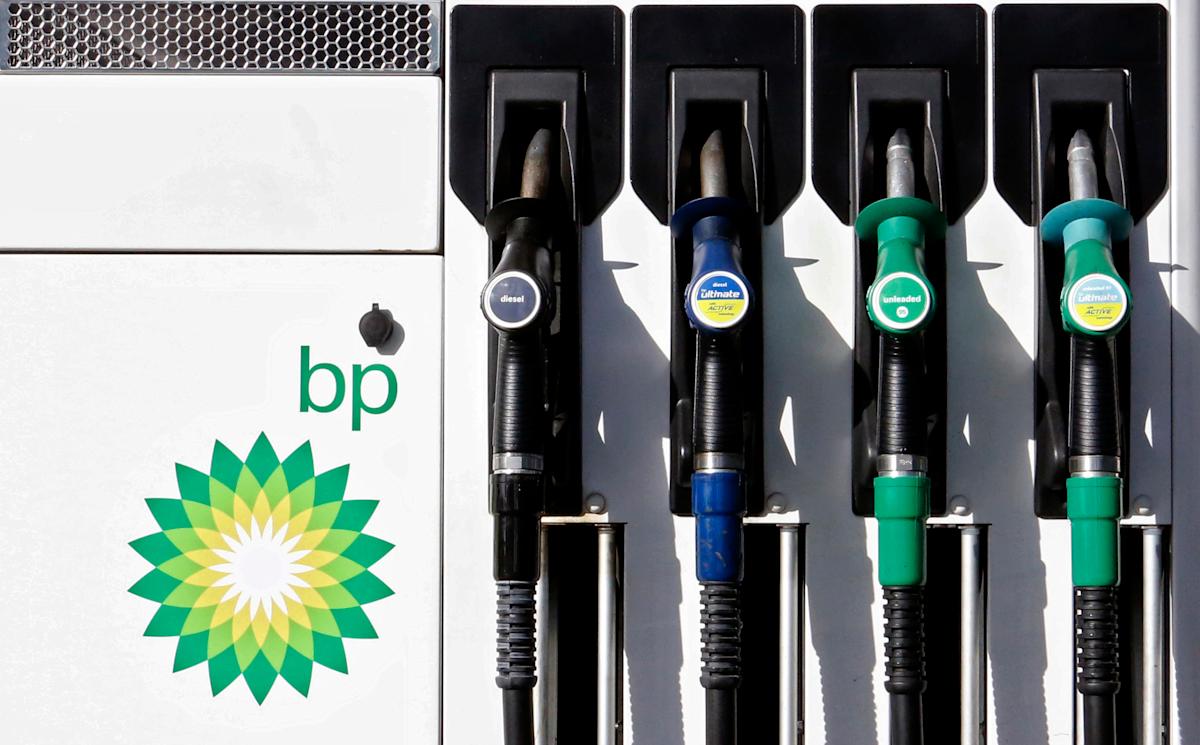
BP Reports Lower Profits Amid Declining Oil Prices
British energy giant BP has reported a significant drop in its quarterly profits due to falling oil prices and rising operational costs. The announcement comes as the global energy sector continues to adjust to a post-pandemic market landscape and increasing pressure from environmental policies.
According to BP’s latest earnings report, the company’s underlying replacement cost profit—a key metric used to assess performance—fell to $2.7 billion in the first quarter of the year. This compares to $4.96 billion for the same period in 2023, marking a sharp 45% decrease.
Factors Behind the Decline
Several factors contributed to BP’s reduced earnings. Chief among them is the drop in crude oil prices, which have been trending downward due to a combination of oversupply and weaker-than-expected global demand. Additionally, higher maintenance costs and investments in renewable energy infrastructure have impacted BP’s bottom line.
“While our financial performance was impacted by lower oil prices, we remain committed to our long-term strategy of transitioning to a lower-carbon energy future,” said BP CEO Bernard Looney. “We are continuing to invest in both traditional energy and renewable projects to ensure resilience and sustainability.”
Dividend Maintained Despite Dip
Despite the earnings shortfall, BP confirmed that it would maintain its dividend payout to shareholders at 7.27 cents per share. This decision underscores the company’s ongoing commitment to investor returns, even amid a volatile energy market and uncertain economic conditions.
Analysts were closely watching whether BP would cut its dividend in response to the profit decline. The company’s decision to hold the payout steady was met with a generally positive response from investors, and BP’s stock held relatively stable following the announcement.
Strategic Investments Continue
BP reaffirmed its dedication to its ‘net zero by 2050’ strategy, which includes significant investments in wind, solar, and hydrogen energy. Over the past year, BP has launched several key projects aimed at reducing its carbon footprint and shifting away from fossil fuels.
Among these projects is a major offshore wind initiative in the North Sea and a hydrogen production facility in Teesside, UK. These investments are part of BP’s broader effort to transform itself into an integrated energy company that balances oil and gas production with cleaner alternatives.
“Our business is evolving. We’re not just an oil company—we’re an energy company,” said Looney. “We are determined to make the energy transition a success for our investors, employees, and society at large.”
Market Reactions and Outlook
Market analysts have mixed views on BP’s performance. Some point to the company’s strategic direction and resilience in maintaining dividend payouts as positives. Others caution that the company still faces significant challenges, including regulatory hurdles and the volatile nature of energy markets.
“BP’s earnings miss was not entirely unexpected given the current pricing environment,” said Emily Richards, an energy sector analyst at MarketWatch. “The bigger question is how effectively the company can continue to balance short-term financial performance with long-term sustainability goals.”
Looking ahead, BP forecasts a modest recovery in oil prices in the second half of the year, driven by potential supply cuts from OPEC+ and improved economic activity in key markets such as China and the United States. However, the company remains cautious and is preparing for continued volatility.
Environmental and Political Pressures
BP, like many of its peers, is under increasing scrutiny from governments, environmental groups, and shareholders to reduce its carbon emissions and invest in clean energy. In the UK, the company has faced criticism over its continued investment in oil and gas projects while promoting its green initiatives.
In response, BP has pledged to reduce oil and gas production by 40% by 2030 and increase spending on low-carbon energy solutions. The company has also committed to greater transparency in reporting its climate-related activities and emissions.
“We recognize the urgency of the climate crisis,” said Looney. “That’s why we’re accelerating our efforts to become a net-zero company and support the global energy transition.”
Conclusion
While BP’s latest financial results reflect the challenges facing traditional energy companies, they also highlight the firm’s commitment to evolving in a rapidly changing industry. By maintaining dividends and pursuing bold investments in renewable energy, BP is positioning itself for long-term resilience and relevance.
This article is inspired by content from Original Source. It has been rephrased for originality. Images are credited to the original source.