

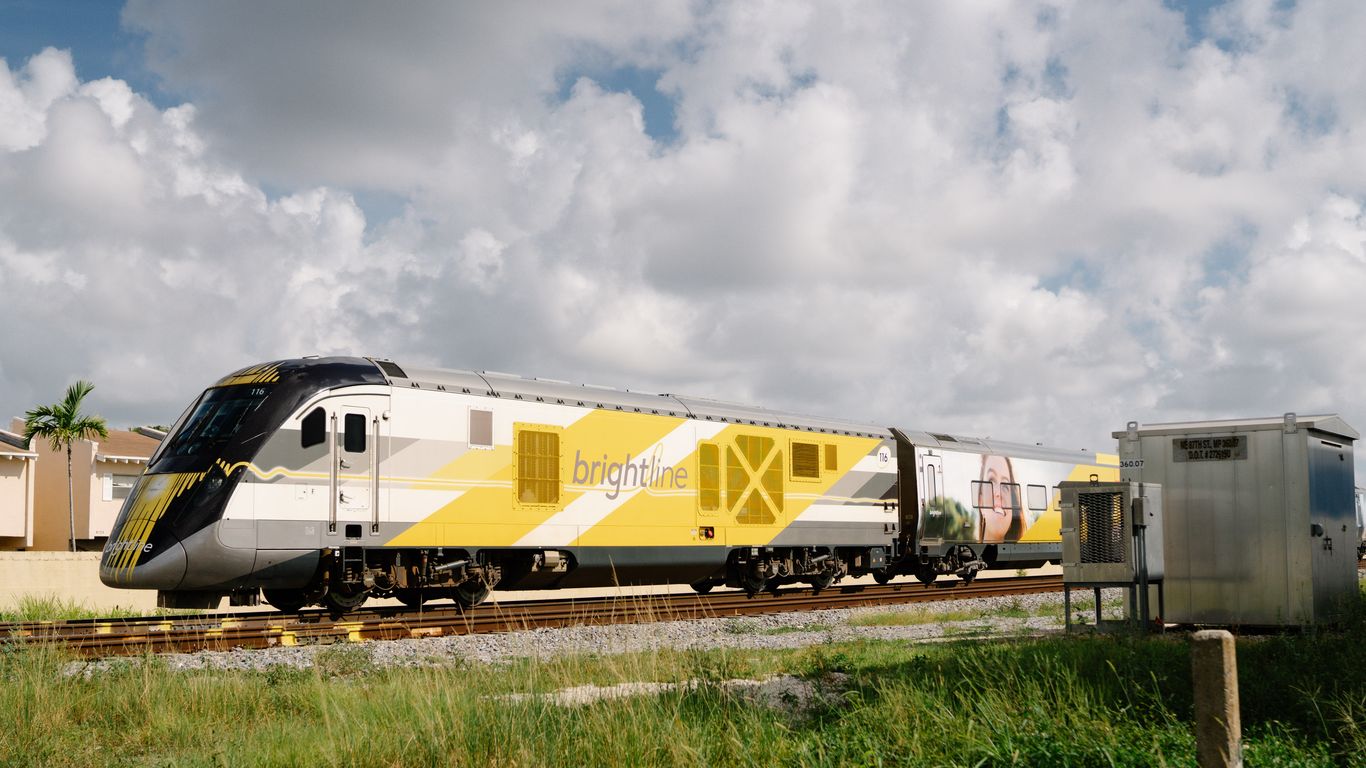
Brightline’s Financial Troubles Raise Concerns for Florida Rail
The future of Brightline, Florida’s only private high-speed rail service, is now under intense scrutiny as auditors warn of a looming bankruptcy. The focus keyword for this article, Brightline bankruptcy, reflects the critical financial situation faced by the company, which has been struggling to stay afloat amidst rising debt and insufficient revenue growth.
Background: Brightline’s Ambitious Start
Launched in 2018, Brightline connected downtown Miami to West Palm Beach, promising a modern, efficient alternative to South Florida’s car-dependent transportation culture. Despite its high-speed trains and upgraded passenger experience, the company has struggled to attract enough riders and raise fares to sustainable levels. Auditors, including Ernst and Young, recently highlighted “substantial doubt” about the company’s ability to avoid Brightline bankruptcy, citing a lack of liquid funds to service its sizable debt load.
Mounting Debt and Financial Pressures
Brightline currently holds approximately $5.5 billion in debt and faces an annual interest payment of $117 million this year, according to reports from WLRN and Bloomberg Law. The company has already delayed some payments due earlier in the year, signaling deepening financial stress. Last year, Brightline posted $214 million in revenue—a 14% increase but only half of its projected target. The rail line also reported an operating loss of $127 million, not including its steep interest obligations, further underlining the risk of Brightline bankruptcy.
Challenges in the South Florida Market
South Florida’s car-centric culture poses a significant challenge for Brightline’s business model. Experts note the region’s lack of comprehensive transit networks and limited last-mile connectivity, making it difficult for Brightline to transition car owners to train passengers. Price sensitivity among riders has also constrained the company’s ability to raise fares, even as operational costs rise. For many tourists and residents alike, having access to a personal vehicle remains a near-necessity, and affordable rentals are easy to find. Unlike cities in the Northeast or West Coast, Miami and Orlando lack the integrated transit ecosystems that encourage widespread use of public transportation.
Seeking Investment to Avoid Bankruptcy
As the threat of Brightline bankruptcy grows, the company is actively searching for third-party investors to inject much-needed capital. Bloomberg reports indicate that Brightline is exploring all avenues to shore up its finances and stave off a potential bankruptcy filing. Despite the dire warnings from auditors, the company’s leadership and some industry experts remain cautiously optimistic.
Expert Perspectives on the Path Forward
Joseph P. Schwieterman, a DePaul University professor specializing in public policy, urban planning, and transportation, suggests that even if Brightline files for bankruptcy, operations may not be significantly disrupted. “There’s plenty of room for optimism that Brightline service will continue with few changes after a bankruptcy filing,” Schwieterman told Axios. He points out that the service is generating positive cash flow from operations, but the overwhelming interest payments on the company’s debt remain the “Achilles heel.”
Schwieterman also notes the high demand for quality rail service in Florida, implying that with the right financial restructuring, Brightline could emerge more resilient. However, the core challenge lies in adapting to a market where car ownership dominates and public transportation is less ingrained in the local culture.
What’s Next for Brightline?
Brightline’s predicament underscores the complexities of launching and sustaining private rail service in regions lacking robust transit infrastructure. The company’s ongoing negotiations with investors and potential restructuring efforts will be closely watched by industry analysts and commuters alike. The outcome will likely serve as a case study for future private transportation ventures in similar markets.
Conclusion: The Uncertain Road Ahead
The specter of Brightline bankruptcy has cast a shadow over the future of high-speed rail in South Florida. While operational losses and heavy debt create significant hurdles, the company’s positive cash flow and demonstrated demand offer a glimmer of hope. Ultimately, Brightline’s survival will hinge on its ability to secure new investment, restructure its debt, and adapt to the unique demands of the Florida transit market.
This article is inspired by content from Original Source. It has been rephrased for originality. Images are credited to the original source.