

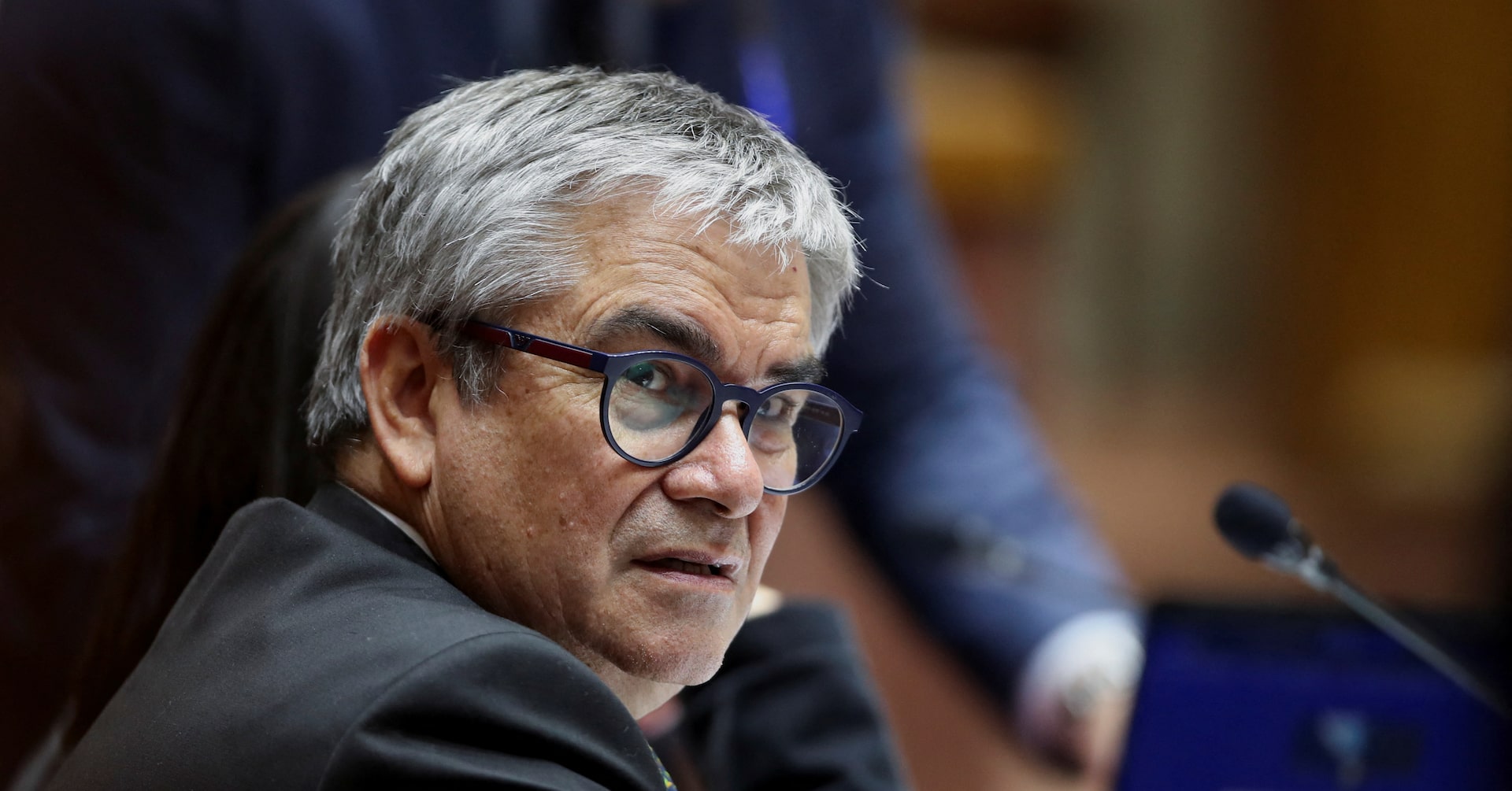
Mario Marcel Steps Down as Chile’s Finance Minister
Chile’s Finance Minister Mario Marcel has officially resigned from his post, according to a report by CNN Chile on Thursday. The resignation marks a significant political development in the administration of President Gabriel Boric, as Marcel has been one of the key figures in the government’s economic strategy since taking office.
Marcel’s departure was reported on August 21, with no immediate public statement issued by his office in response to media inquiries. The finance ministry has yet to provide formal confirmation or comment on the matter.
Tenure During Boric’s Administration
Mario Marcel began his tenure as Chile’s finance minister at the start of President Boric’s administration in March 2022. He was a central figure trusted with navigating the country’s economic policies during a time of global uncertainty and domestic challenges.
Despite several cabinet reshuffles over the past two years, Marcel had managed to retain his position, reflecting the confidence that President Boric and the broader administration had in his leadership and economic approach. His experience and steady hand were seen as crucial in maintaining investor confidence and fiscal stability during a politically transformative period for Chile.
Reported Reasons for Resignation
According to CNN Chile, Marcel’s resignation stemmed from personal reasons. No additional details have been provided regarding the nature of those reasons. The government is expected to announce his replacement later on Thursday, sources cited by the news outlet indicated.
This sudden departure has sparked speculation about the future direction of Chilean economic policy, especially as the country faces both internal and external financial pressures, including inflation concerns and demands for social spending.
Background and Economic Contributions
Prior to his role as finance minister, Mario Marcel held several prominent positions including President of the Central Bank of Chile. He is widely recognized for his technocratic expertise and pragmatic approach to economic management.
During his time as finance minister, Marcel played a pivotal role in shaping tax reform proposals, managing the public budget, and overseeing policies aimed at reducing inequality while maintaining macroeconomic stability.
His leadership was credited with helping Chile recover economically from the COVID-19 pandemic and with maintaining a balanced approach amidst calls for more aggressive social spending.
Political and Economic Impact
Marcel’s resignation could have significant implications for the Boric administration. With key economic reforms still being debated in Congress, the departure of such an experienced figure may lead to uncertainties in policy direction.
Markets and investors are likely to monitor the situation closely, especially regarding the appointment of his successor. A shift in economic policy could affect investor confidence and influence international perceptions of Chile’s fiscal trajectory.
Political analysts suggest that the timing of the resignation could also impact the broader political landscape, as the government prepares for upcoming elections and navigates social demands.
Awaiting Official Announcement
As of now, the Chilean government has not issued an official statement confirming the resignation or naming a replacement. Analysts and citizens alike await further details, as the finance ministry plays a critical role in shaping and implementing national policy.
It remains to be seen whether Marcel’s exit will be a catalyst for more extensive changes within the cabinet or if it will be treated as an isolated event. Either way, his absence will be felt in the administration’s economic apparatus.
Reactions from the Political Sphere
While no formal reactions have been made public, political observers anticipate a wave of commentary from both government allies and opposition figures. Marcel’s reputation as a capable and steady economic leader is expected to be acknowledged across the political spectrum.
His resignation also opens up questions about the direction of ongoing financial reforms and the ability of the government to maintain cohesion amid political and economic pressures.
This article is inspired by content from Original Source. It has been rephrased for originality. Images are credited to the original source.