

Elite Banking Summit Reveals Deep EU-Italy Divide
Under the sweltering sun of Milan, Italy’s financial power players gathered to celebrate a period of remarkable success for the nation’s banking sector. But beneath the surface of jovial exchanges and sweet pastries, a storm was brewing. The occasion quickly turned into a discreet but intense discussion about a growing rift between Rome and Brussels, rooted in diverging visions for the future of European finance.
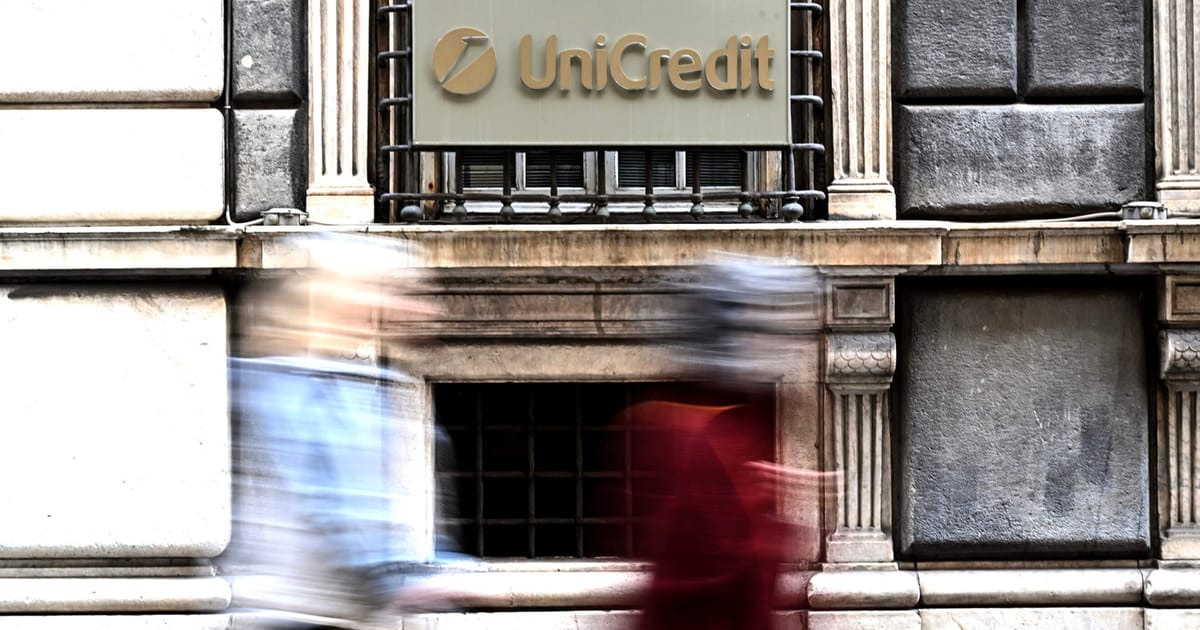
Over the past six months, the Italian banking world has been embroiled in a complex web of acquisition attempts. The latest chapter has seen tensions escalate over a bid by UniCredit, a leading Milan-based bank, to acquire local rival BPM. Rome’s response, invoking national security and strategic interest, has ignited a conflict with the European Commission that reflects broader disagreements on how to shape the continent’s financial landscape.
Rome Pushes Back with Golden Power
The controversy began when UniCredit pursued a merger with BPM, a move that clashed with the Italian government’s plans to align BPM with Monte dei Paschi di Siena, a partially state-rescued bank based in Tuscany. Viewing UniCredit’s proposal as a threat, Prime Minister Giorgia Meloni’s administration applied the so-called “golden power”—a regulatory tool designed to block foreign or harmful investments. This has significantly complicated UniCredit’s bid, leading the bank to claim it was effectively blocked, and triggering a legal battle now unfolding in Italian courts.
Yet the implications stretch beyond Italy’s borders. The European Commission sees the use of golden power in this context as an overreach. According to EU officials, such interventions challenge the bloc’s broader goal of consolidating the fragmented European banking system to boost its global competitiveness. Sources suggest the Commission is preparing a formal warning to Italy, accusing it of misusing regulatory power to stifle intra-European consolidation.
Public Unity, Private Tensions
This underlying friction took center stage at the annual meeting of the Association of Italian Banks (ABI). While public remarks were measured and conciliatory, they were laced with pointed subtext. ABI Chairman Antonio Patuelli extolled the virtues of a unified European banking framework, stressing the need for consistent rules on corporate governance and financial markets. In a subtle jab at government interference, he emphasized the importance of protecting competition and ensuring that all financial actors—traditional or otherwise—play by the same rules.
Rome, however, sees things differently. Italian officials argue that the EU’s industrial idealism overlooks the unique challenges facing Italy’s economic landscape. A Treasury official likened the government’s defensive stance toward UniCredit’s bid to national security, placing it on par with military spending in terms of importance.
“The Italian people elected a sovereigntist government—why are people surprised when we do sovereigntist things?” the official remarked, highlighting the administration’s intention to prioritize national interests even at the cost of EU friction.
Banking Success But for Whom?
Finance Minister Giancarlo Giorgetti, speaking at the ABI event, acknowledged the robust growth of Italian banks over the past decade. But he questioned whether this financial strength had been used to benefit the broader economy. He pointed out that the sector’s improved capital positions and record profits—like UniCredit’s stellar first quarter in 2025—had not translated into increased lending or support for small businesses.
“The gains have often come at the expense of regional character,” Giorgetti said, lamenting the reduction in local lending and the rise of what he termed an excess of “financialization.” He noted that these profits were made possible in part by public guarantees, implying that the public deserves more tangible returns from the banks’ success.
Strategic Concerns and Sovereignty
Rome’s resistance to the UniCredit-BPM merger also stems from strategic economic concerns. Italy, burdened with one of the EU’s highest debt ratios, remains sensitive to any shifts involving major holders of its sovereign debt. The government is particularly protective of regional banks like BPM, which serve small and medium-sized enterprises—a critical component of Italy’s economy and a key political constituency.
Critics argue that merging BPM with a larger international bank like UniCredit could undermine this local support, reducing credit access for businesses in Northern Italy. From this perspective, Rome’s actions are not merely political but also economically pragmatic.
Europe’s Broader Financial Ambitions in Question
Despite the Commission’s push for a more centralized and competitive European banking system, some Italian regulators view these ambitions as detached from reality. One unnamed official put it bluntly: “We’re dwarves, and we’ll never seriously compete with the U.S.”
This skepticism suggests that the EU’s vision for a unified financial front may be at odds with the on-the-ground realities of member states like Italy. The outcome of the UniCredit-BPM dispute could therefore set a precedent, not just for Italy, but for how far the EU can go in reshaping its financial sector without alienating national governments.
As the legal and political battles continue, one thing is clear: Europe’s financial future hangs in a delicate balance, shaped as much by ideology as by economics.
This article is inspired by content from Original Source. It has been rephrased for originality. Images are credited to the original source.