

Connecticut Can Lead Nationwide Reform in Campaign Finance Law

The Montana Plan: A Model for State Action
In June of last year, a coalition of senior political figures in Montana—spanning both Republican and Democratic backgrounds—teamed up with the Transparent Election Initiative to unveil the Montana Plan. This innovative blueprint seeks to eliminate corporate and secret-donor money from Montana’s political system by restricting the powers of corporations to spend in politics. The plan’s backers, including former Montana Republican Governor Marc Racicot and former Democratic Governor Steve Bullock, represent a rare bipartisan alignment on the issue. Following a recent court ruling, a revised strategy has given the initiative renewed momentum in 2026.
Connecticut has an opportunity to follow in Montana’s footsteps and become a leader in addressing the nationwide issue of campaign finance corruption. The state can enact similar measures to ensure that elections reflect the true will of the people, not vast sums of outside money.
The Broken Federal System
Despite existing federal limits, campaign spending in the United States has spiraled out of control. Wealthy individuals and corporations routinely find loopholes to contribute unlimited funds, mainly by channeling money through complicated networks of non-profit organizations and corporations. This system—designed to be convoluted—has left American democracy vulnerable to the influence of big money, regardless of political affiliation.
Much of this money moves through corporations, which are chartered at the state level. According to longstanding American corporate law, states have full authority over the powers they grant to corporations. States can also regulate what out-of-state corporations may do within their borders. Given this framework, Connecticut could enact legislation to limit corporate political spending within its jurisdiction, directly addressing the root of the campaign finance crisis.
Escalating Political Expenditures and the Citizens United Impact
The problem of unchecked campaign spending has only worsened over time. Between 2004 and 2010, spending on presidential campaigns grew from $280 million to $484 million. By 2024, that figure soared to an unprecedented $4.5 billion.
The Supreme Court’s Citizens United decision played a pivotal role in this surge. Justice John Paul Stevens, in his dissent, powerfully argued that the ruling “was a rejection of the common sense of the American people. A democracy cannot function effectively when its constituent members believe laws are being bought and sold.” His warning, echoing the Founding Fathers’ deep concerns about corruption, remains more relevant than ever.
Big Donors and Corporate Influence
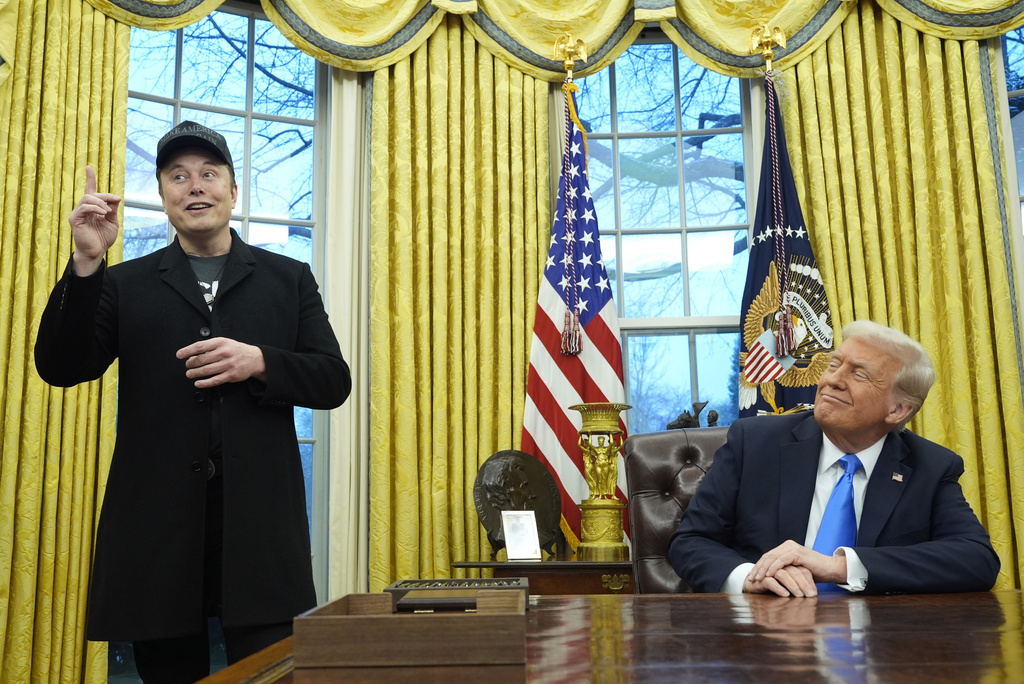
In the 2024 election cycle, six individuals alone contributed over $1 billion to federal elections. Among them, Elon Musk’s publicly reported donations reached $291 million. Notably, shortly after the new administration took office, Musk was pictured in the Oval Office spearheading the Department of Government Efficiency (DOGE) initiative, while simultaneously presiding over companies with tens of billions in government contracts.
The influence of corporate donors is equally troubling. For instance, the fossil fuel industry spent nearly a quarter of a billion dollars on the 2024 presidential campaign. Within hours of the administration’s start, major renewable energy projects were canceled, longstanding international climate commitments were abandoned, and government references to “climate change” were expunged from official websites.
This policy reversal occurred despite broad, bipartisan support for renewable energy investment across the United States. By undermining domestic clean energy companies, the administration handed one of the world’s fastest-growing markets to China, jeopardizing American competitiveness and environmental progress.
The Public Health and Policy Crisis
The ramifications extend beyond economics. Virtually all major medical and health organizations have labeled climate change as a defining threat to public health in the 21st century. The decision to roll back climate and energy initiatives is widely regarded as a catastrophic misstep in public policy—one that could have long-lasting consequences for both the nation and the planet.
The Path Forward: State-Led Solutions
History shows that transformative change in America often begins at the state level. Now, Connecticut is uniquely poised to lead the charge for campaign finance reform. By joining Montana in limiting corporate political spending, Connecticut can help restore the democratic principle that government should serve the people, not wealthy donors or special interests.
As more states take action, the American experiment in democracy can be renewed, moving toward a future where power is rightfully returned to the people. The time for Connecticut to act is now, setting a noble example for the entire nation.
Dan Quinlan lives in West Hartford.
This article is inspired by content from Original Source. It has been rephrased for originality. Images are credited to the original source.