

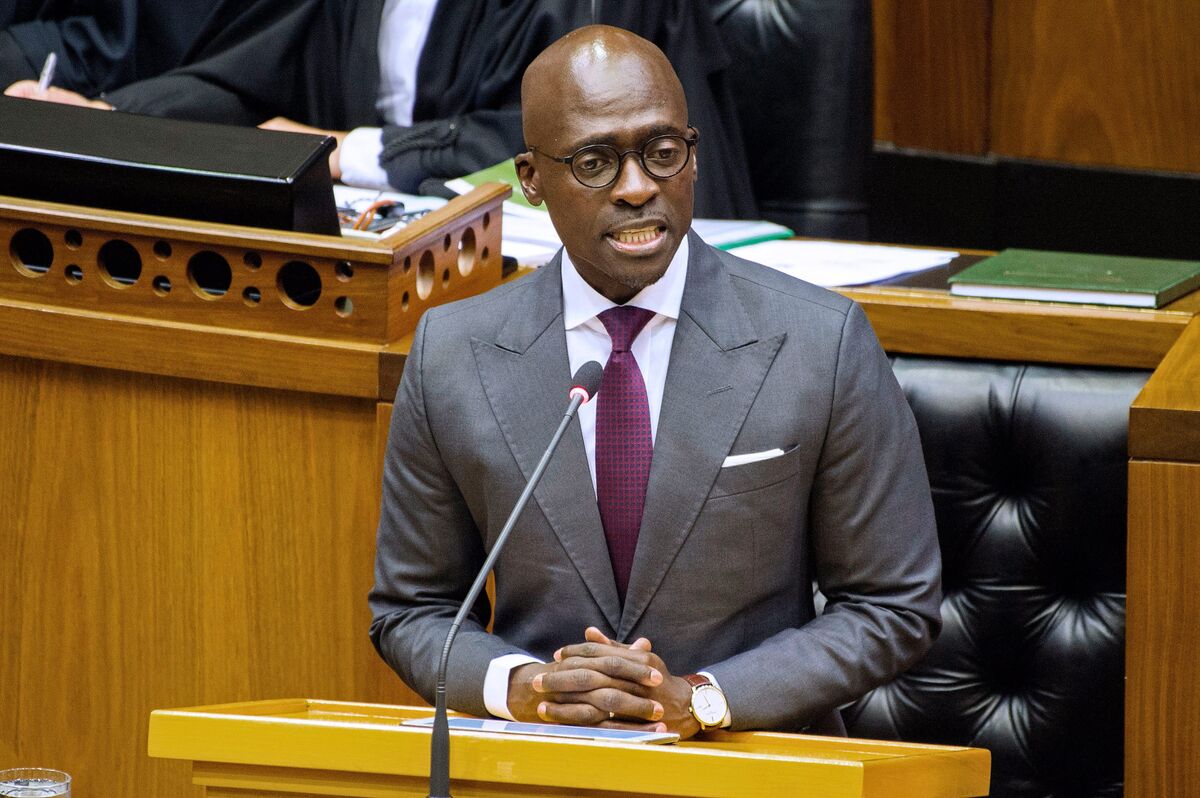
Malusi Gigaba to Appear in Court Over Corruption Allegations
Former South African Finance Minister Malusi Gigaba is set to appear in court this Friday to face serious corruption charges. The allegations stem from his tenure as the country’s Minister of Public Enterprises, during which time he oversaw a number of major state-owned companies, including the embattled rail operator Transnet SOC Ltd.
According to a statement released by Gigaba’s office, the charges pertain to procurement irregularities and suspected misconduct that allegedly occurred during his term in office. The case is being closely watched as part of a broader effort by South African authorities to root out corruption in government institutions.
Background on the Case
The charges against Gigaba are linked to procurement practices at Transnet, one of the largest state-owned enterprises in South Africa. Transnet has been under scrutiny for years due to allegations of mismanagement and corrupt dealings, particularly during the period of state capture under former President Jacob Zuma’s administration.
Gigaba served as Minister of Public Enterprises before being appointed as Finance Minister. It was during his earlier role that the alleged offenses took place. Investigators have reportedly uncovered evidence pointing to irregular tender processes and possible financial misconduct involving Gigaba and other officials.
Implications for Anti-Corruption Efforts
The South African government has been under increasing pressure to demonstrate its commitment to tackling corruption. President Cyril Ramaphosa, who succeeded Zuma, has made anti-corruption a central pillar of his administration. The high-profile nature of Gigaba’s case could serve as a bellwether for how seriously these efforts are being pursued.
The National Prosecuting Authority (NPA) has been working closely with other investigative bodies to bring charges against individuals accused of corruption in the public sector. The NPA has not yet released a detailed indictment, but its involvement signals the seriousness of the allegations.
Gigaba Maintains Innocence
In response to the charges, Gigaba’s office issued a statement asserting his innocence. He maintains that he acted within the bounds of the law during his tenure and has pledged to cooperate fully with the legal process.
“Mr. Gigaba looks forward to clearing his name in court,” the statement read. “He remains committed to transparency and the principles of justice.”
The former minister has faced previous scrutiny over his conduct in office, including parliamentary inquiries and testimony during the state capture commission. However, this is the first time he will be formally charged in a court of law.
Public and Political Reactions
The news of Gigaba’s impending court appearance has sparked a range of reactions across South Africa’s political spectrum. Some opposition parties have welcomed the move, calling it a long-overdue step toward accountability. Civil society organizations have also applauded the charges, viewing them as a victory for the rule of law.
However, some of Gigaba’s supporters argue that the timing of the charges may be politically motivated, particularly as the country approaches the next general election cycle. They caution against rushing to judgment before the legal process has run its course.
Transnet’s Ongoing Troubles
Transnet, the state-owned company at the center of the allegations, has been a focal point in the wider investigation into state capture. The company has struggled with financial instability, leadership changes, and operational inefficiencies in recent years.
Efforts to reform Transnet have been underway since Ramaphosa took office, including the appointment of new executives and the implementation of stricter oversight mechanisms. However, the company continues to face challenges in regaining public and investor confidence.
Looking Ahead
Gigaba’s court appearance marks a significant milestone in South Africa’s anti-corruption drive. Legal experts anticipate that the case could take several months to unfold, given the complexity of the allegations and the volume of evidence involved.
The outcome could have far-reaching implications for other officials implicated in state capture and for the broader campaign to restore integrity in South Africa’s public institutions.
As the legal proceedings move forward, all eyes will be on the court to see whether justice will be served and whether the government’s promises of reform will translate into real accountability.
This article is inspired by content from Original Source. It has been rephrased for originality. Images are credited to the original source.