

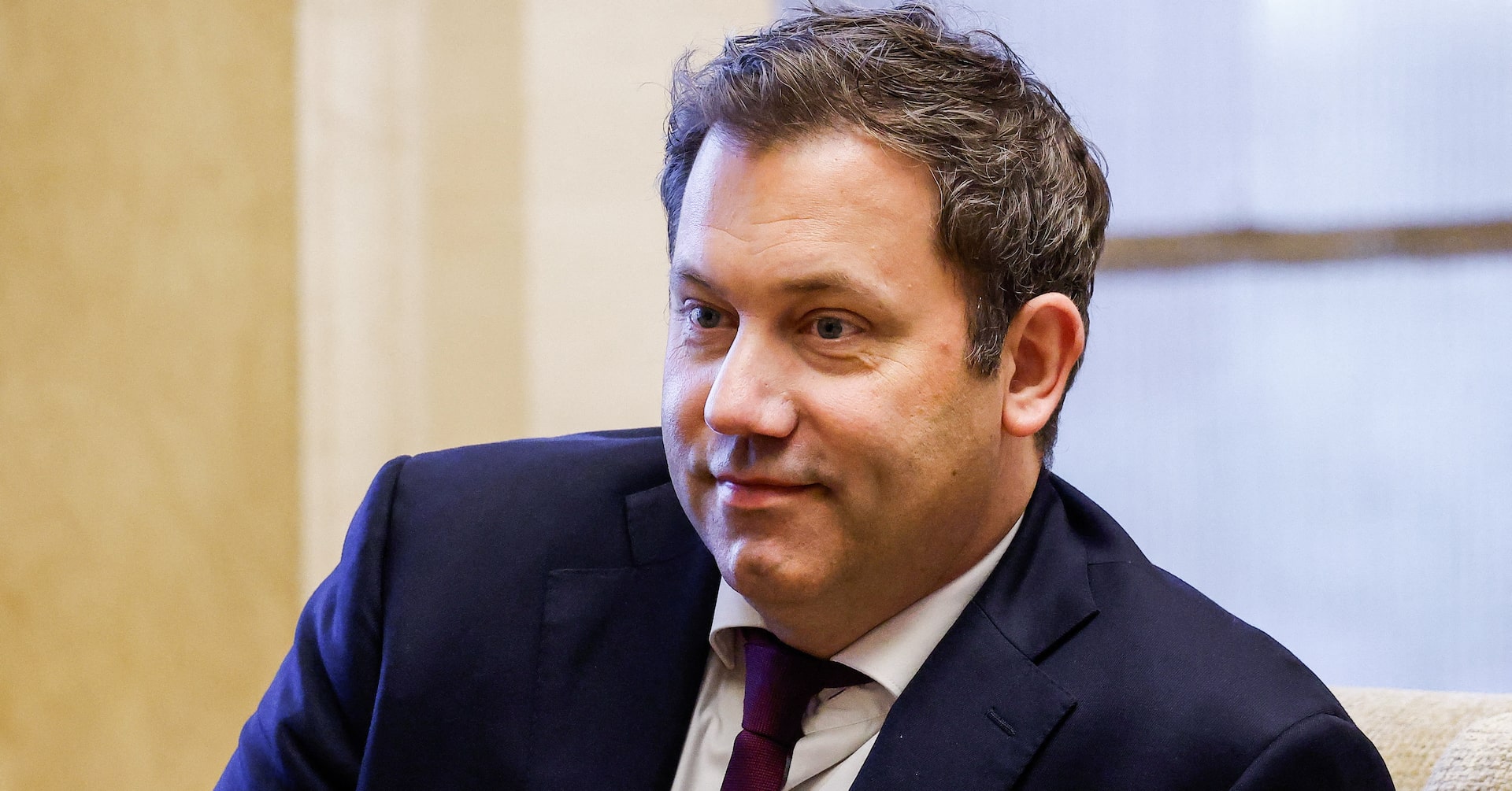
German Finance Minister Highlights Fair Competition During China Visit
German Finance Minister and Vice Chancellor Lars Klingbeil emphasized the importance of maintaining fair economic competition during his recent visit to Shanghai. Speaking on Wednesday, Klingbeil stated that China has expressed a desire for open dialogue with Germany, but it is crucial that economic interactions remain balanced and equitable.
Klingbeil’s remarks came amid heightened global tensions over trade practices, especially in the wake of increasing scrutiny over China’s market policies and their impact on international partners. The German official underscored that fair play in economic relations is vital for sustainable global cooperation.
Promoting Dialogue Between Germany and China
During his visit, Klingbeil highlighted the mutual interest in maintaining strong bilateral relations. “China is clearly interested in maintaining an open dialogue with Germany,” he said. “However, for this dialogue to be productive, we must ensure that the rules of economic engagement are respected by all parties.”
Germany and China share a significant economic relationship, with Germany being one of China’s largest trading partners in Europe. Both countries rely heavily on exports, and maintaining a level playing field is crucial for the health of their respective economies.
Concerns Over Market Access and Investment Rules
The German minister’s comments reflect broader concerns from the European Union and other Western nations about unequal market access and regulatory practices in China that are perceived as unfavorable to foreign companies. European businesses have often cited issues like forced technology transfers and opaque regulatory systems as barriers to fair competition.
“We must ensure that German and European companies have the same opportunities in China as Chinese companies enjoy in Europe,” Klingbeil stated. “This is not just about economics—it’s about mutual respect and international norms.”
Economic Cooperation Amid Global Tensions
Klingbeil’s visit to Shanghai is part of a broader diplomatic initiative aimed at strengthening economic ties while addressing concerns over trade imbalances. With the global economy facing uncertainties—from geopolitical conflicts to supply chain disruptions—Germany is pushing for more transparent and equitable trade relationships.
His trip also aligns with Germany’s broader strategy to reduce overdependence on any single market. While China remains a critical partner, Berlin is encouraging diversification in its trade relations to mitigate risks associated with geopolitical volatility.
China’s Position and Global Trade Dynamics
In response to Western concerns, Chinese officials have repeatedly expressed a willingness to engage in dialogue and reform certain economic practices. However, many foreign governments remain skeptical about the pace and sincerity of these reforms.
The conversation around fair competition is not limited to Germany and China. It is part of a larger global discourse on trade fairness, intellectual property rights, and protectionism. The World Trade Organization and other international bodies have called for enhanced cooperation and adherence to established trade rules.
Looking Ahead: Opportunities for Collaboration
Despite existing challenges, Klingbeil expressed optimism about the potential for deeper cooperation between Germany and China. “There is much we can achieve together, from climate change initiatives to technological innovation,” he said. “But we must build this cooperation on a foundation of fairness and transparency.”
He also mentioned the importance of joint investment in green technologies and sustainable development, areas where both nations have expressed interest in working together. These sectors could serve as a model for how countries with different political and economic systems can collaborate effectively.
Conclusion
Klingbeil’s visit marks an important moment in Germany-China relations, emphasizing the need for balanced economic practices and open communication. As both nations navigate the complexities of global trade, ensuring fairness and mutual respect will be central to maintaining a strong and stable partnership.
His message resonates beyond the bilateral context, serving as a reminder of the principles that underpin global commerce. Fair competition, transparency, and equal opportunity are not just ideals—they are necessities for a stable and prosperous international economy.
This article is inspired by content from Original Source. It has been rephrased for originality. Images are credited to the original source.