

Guernsey Stands Firm on Financial Transparency Standards
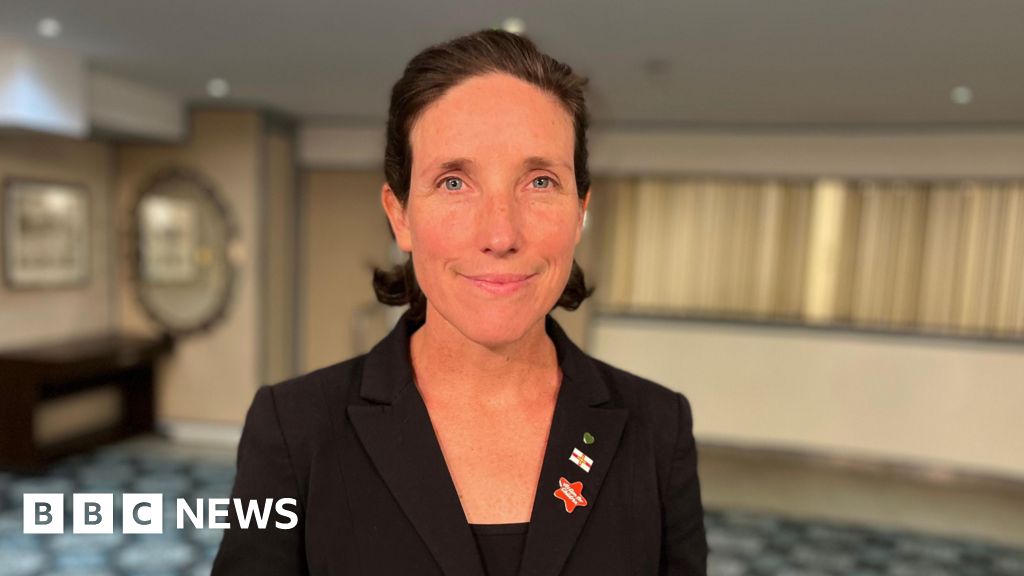
Financial transparency in Guernsey has come under renewed focus following recent comments by Baroness Hodge, the UK’s anti-corruption lead. As Guernsey faces scrutiny over its beneficial ownership register and transparency practices, the island’s top politician, Lindsay de Sausmerez, has pushed back against what she describes as “outdated prejudices” surrounding Guernsey’s financial services sector.
UK Calls for Enhanced Transparency Measures
Baroness Hodge visited Guernsey alongside justice minister Jake Richards, emphasizing the importance of financial transparency in combatting money laundering and economic crime. The Financial Times recently reported that Westminster could consider compelling Britain’s crown dependencies, including Guernsey, to enforce stricter rules on revealing the identities of beneficial owners—those ultimately controlling companies.
Speaking to the BBC, Baroness Hodge highlighted the significant economic impact of financial crime in the UK. She cited National Crime Agency estimates suggesting that money laundering and related crimes could cost the UK up to £350 billion annually. Hodge stressed, “Transparency is a vital tool in helping us to follow the money and combat economic crime.” She expressed hope for continued cooperation with Guernsey as the island works towards full, legitimate interest access to its beneficial ownership register.
Guernsey’s Response: Exceeding International Standards
Lindsay de Sausmerez, president of Guernsey’s senior political committee, responded by emphasizing the island’s commitment to financial transparency and its consistent compliance with, and even exceeding of, international standards. She described as “a shame” the persistence of outdated stereotypes about Guernsey’s financial sector, despite the island’s ongoing efforts to improve transparency and cooperation.
De Sausmerez remarked, “It is vital that we continue to work together with the UK to tackle financial crime. Guernsey is proud of its accurate, verified, and up-to-date register of beneficial ownership.” She added that Guernsey’s “swift and effective” sharing of information with international law enforcement and tax authorities has earned praise from external bodies, including the UK Home Office.
Push for Legitimate Interest Access
Recently, Guernsey held a public consultation on proposed reforms to broaden legitimate interest access to its beneficial ownership data. These reforms aim to allow not only law enforcement and tax authorities, but also journalists and non-governmental organizations with a specific role in fighting financial crime, to access the register. According to the States of Guernsey, this approach is designed to align transparency with established EU policy while protecting privacy where appropriate.
Currently, Guernsey’s beneficial ownership data is available to law enforcement and taxation authorities. However, the UK itself has yet to implement “legitimate interest” access to its own registers. Guernsey officials used Baroness Hodge’s visit as an opportunity to demonstrate the island’s high standards of data verification and robust safeguards against misuse.
Guernsey’s Efforts Recognized Internationally
Guernsey’s financial transparency framework has been recognized by external authorities for its effectiveness. De Sausmerez pointed out that misuse of Guernsey’s register is far more difficult compared to other major financial centers, such as the UK. This, she asserted, is due to rigorous verification processes and proactive cooperation with international partners.
The island’s leadership continues to advocate for accurate, up-to-date, and securely managed beneficial ownership information, aiming to strike a balance between transparency and privacy. Ongoing dialogue with the UK and other global partners remains a priority in the shared fight against illicit finance.
Looking Ahead: Ongoing Dialogue and Reform
As global standards on financial transparency evolve, Guernsey is positioning itself as a cooperative and proactive jurisdiction. The island’s willingness to engage with public consultations and international authorities demonstrates its commitment to combating financial crime while maintaining a robust financial services sector.
In summary, Guernsey’s leaders are pushing back against outdated notions of secrecy, highlighting their island’s progress in transparency and their ongoing efforts to exceed international norms. The debate sparked by Baroness Hodge’s visit underscores the importance of financial transparency in today’s interconnected world, and Guernsey appears determined to remain a positive example in this arena.
This article is inspired by content from Original Source. It has been rephrased for originality. Images are credited to the original source.