

Harvard Faces Heightened Federal Financial Scrutiny
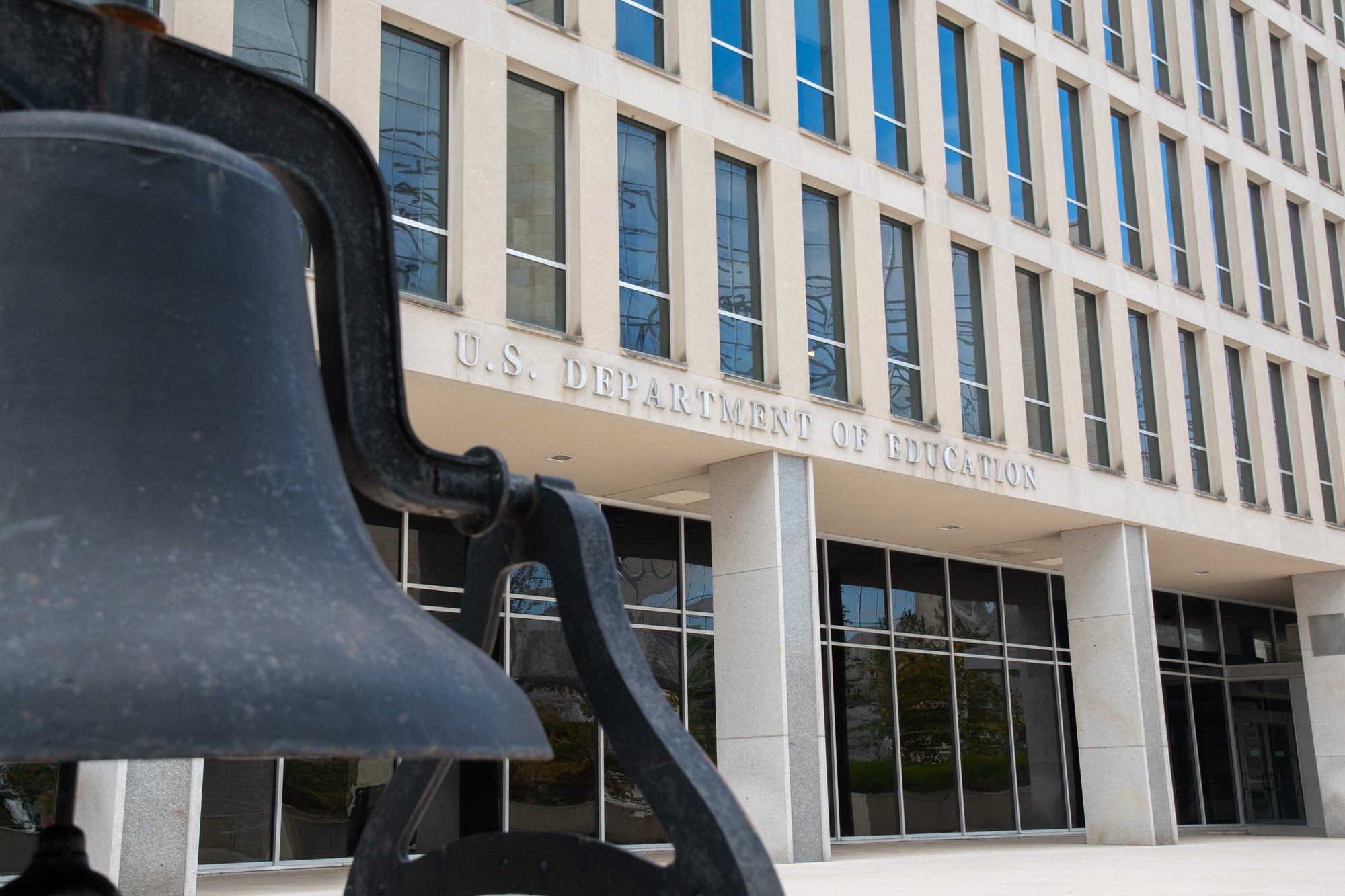
Harvard University has been placed under heightened cash monitoring by the U.S. Department of Education, a rare move that raises questions about the institution’s financial stability. The department cited the University’s recent $1.2 billion bond issuance and multiple federal investigations as key factors in the decision.
This designation imposes new restrictions on Harvard’s access to federal student aid. Under the new protocol, known as Heightened Cash Monitoring (HCM), Harvard must now use its own funds to disburse federal aid to students before seeking reimbursement from the Department of Education. This reverses the typical advance payment model used by most compliant institutions.
Financial Guarantee Required
Additionally, the Department has mandated that Harvard supply a $36 million irrevocable letter of credit. This amount represents about 30% of the federal aid the University received last year under Title IV of the Higher Education Act of 1965. The financial guarantee is designed to protect taxpayer funds in the event of further financial instability.
Federal officials pointed to Harvard’s bond sales and recent budgetary cutbacks as signs of fiscal vulnerability. These measures, originally intended to absorb the impact of federal funding reductions and an endowment tax increase, have now been interpreted as indicators of institutional weakness.
Unusual Company on Monitoring List
Harvard, with its over $53 billion endowment—the largest of any university in the world—joins a list of more than 500 educational institutions currently under heightened financial scrutiny. Most of these institutions are community colleges, trade schools, or small for-profit universities, making Harvard’s inclusion on the list particularly notable.
The Department of Education cited three “triggering events” under federal financial responsibility standards in its decision: a determination by the Department of Health and Human Services that Harvard violated Title VI of the Civil Rights Act, noncompliance with records requests from the Office of Civil Rights, and the institution’s $1.2 billion bond issuance to support operations.
Bond Sales Raise Eyebrows
In the spring, Harvard issued $450 million in tax-exempt bonds followed by a $750 million taxable bond sale. The latter was accompanied by a memorandum warning investors that federal actions could materially impact the University’s finances, operations, and reputation. This disclosure, released just after a $2.2 billion federal funding freeze was announced, caught the attention of federal officials.
U.S. Secretary of Education Linda McMahon remarked, “Today’s actions follow Harvard’s own admission that there are material concerns about its financial health.” She added that the new monitoring measures are necessary to ensure that taxpayer funds are not jeopardized.
Federal Actions Impacting Harvard
This move follows a series of federal government efforts to tighten financial control over Harvard. These efforts include three rounds of funding cuts totaling approximately $2.7 billion. University officials have cautioned that the cumulative impact of these federal actions could cost Harvard more than $1 billion annually.
In response, Harvard has implemented cost-saving measures including layoffs at the Harvard Medical School and School of Public Health, a freeze on non-union staff salaries, and a university-wide hiring pause. Administrative guidance has also urged schools to reduce expenditures and delay non-essential capital projects.
Ongoing Civil Rights Investigations
The financial monitoring announcement coincided with a separate communication from the Education Department’s Office of Civil Rights. The letter warned Harvard of potential enforcement actions if the University fails to submit additional documents regarding its admissions practices within 20 calendar days.
The federal government’s escalating scrutiny of Harvard is part of a broader campaign that began under the Trump administration. Measures have included freezing billions in federal funds, challenging the University’s ability to host international students, and initiating multiple civil rights investigations.
Although a federal judge recently overturned the federal funding freeze—ruling it unconstitutional—the White House has signaled its intention to appeal. Meanwhile, it resumed limited grant funding to Harvard, releasing $46 million on the day of the ruling.
Stalled Negotiations for Settlement
In June, Harvard and the White House began negotiations to restore federal funding and resolve ongoing investigations. The proposed settlement, carrying a $500 million cost, has reportedly stalled in recent weeks. Despite resuming some funding, the federal government continues to exert pressure through regulatory and financial levers.
This article is inspired by content from Original Source. It has been rephrased for originality. Images are credited to the original source.