

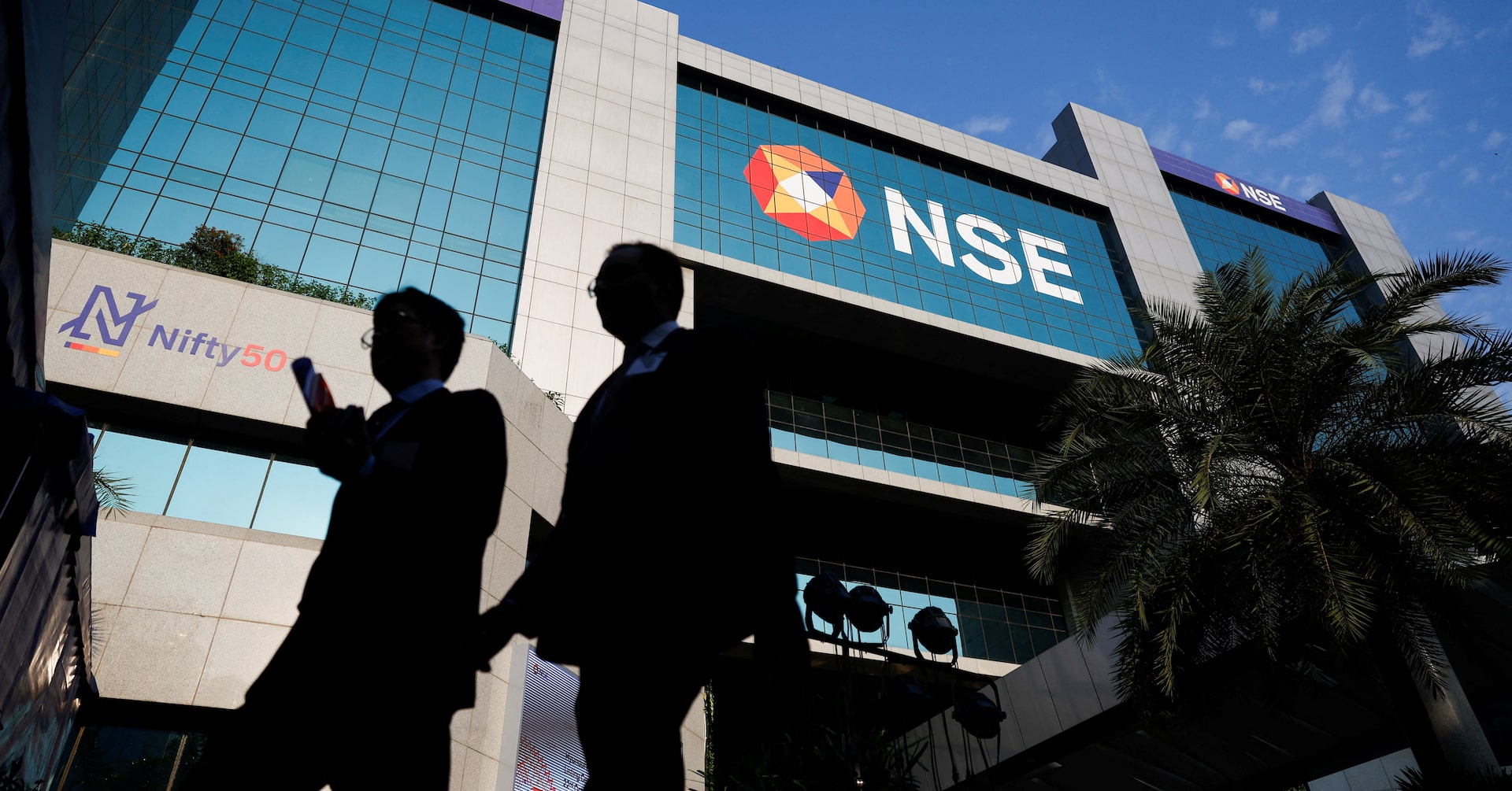
Indian Stock Markets Open Lower Amid Bajaj Finance Slump
India’s key equity indices began Friday’s trading session on a downward trajectory, primarily weighed down by a steep drop in Bajaj Finance shares amid concerns over asset quality. At 9:17 a.m. IST, the Nifty 50 index fell 0.47% to 24,940.85 points, while the BSE Sensex declined by 0.42% to 81,829.3.
The sell-off was broad-based, with 15 of the 16 major sectoral indices in the red. The broader market also mirrored this weakness: both the small-cap and mid-cap indices dropped by 0.5% each, reflecting investor caution across the board.
Bajaj Finance Plummets on Asset Quality Concerns
Bajaj Finance emerged as the top loser on the Nifty 50, plunging 5.1% in early trade. The decline followed the company’s June-quarter earnings report, which, while surpassing profit expectations, triggered alarm bells among multiple brokerages regarding stress in its MSME (Micro, Small, and Medium Enterprises) loan portfolio.
Several analysts expressed concerns about the deterioration in asset quality and rising credit costs. This overshadowed the otherwise strong financials, signaling potential headwinds for the non-bank lender in the upcoming quarters. Investors reacted swiftly, leading to a sharp sell-off in the stock.
New India-UK Trade Agreement Fails to Lift Sentiment
On the macroeconomic front, India signed a new trade agreement with the United Kingdom, aimed at reducing tariffs on a variety of goods including textiles, whisky, and automobiles. The pact was expected to boost investor confidence and improve bilateral trade relations.
However, analysts noted that despite the positive development, the markets remained subdued. The overarching sentiment continues to be dictated by global cues, particularly the ongoing trade negotiations involving the United States. Until more clarity emerges on that front, significant upward movement in the markets is unlikely, experts said.
Broader Market Trends Show Caution
Investor sentiment appeared thoroughly risk-averse across sectors. Financials, consumer durables, and real estate were among the worst-performing sectors. The drop in small-cap and mid-cap indices also highlighted the high degree of caution among retail and institutional investors alike.
While some market participants hoped that the new trade deal would serve as a catalyst for growth, the immediate impact was muted. Concerns over potential global headwinds, including inflationary pressures and geopolitical tensions, kept investors on edge.
Global Factors Continue to Influence Domestic Markets
With the global economic landscape still in flux, Indian markets are increasingly reacting to developments beyond domestic borders. The strength of the U.S. dollar, Federal Reserve policy signals, and global risk sentiment are all playing crucial roles in shaping market movements in India.
Asian markets also experienced a pullback on Friday, with investors bracing for a series of key economic data releases and central bank meetings scheduled for the coming week. This added to the cautious tone seen in Indian equities.
Outlook Remains Uncertain
Market watchers remain divided on the near-term outlook for Indian equities. While some believe that domestic fundamentals remain strong, others argue that global uncertainties could continue to exert downward pressure. The performance of major stocks like Bajaj Finance will be closely monitored as indicators of broader market health.
As earnings season progresses and more companies release their quarterly results, market participants are expected to shift their focus to corporate performance. However, until there is clear direction from global economic indicators, volatility is likely to persist.
This article is inspired by content from Original Source. It has been rephrased for originality. Images are credited to the original source.