

Jeffrey Epstein’s Bid to Fund Dick Cavett Documentary Falls Through
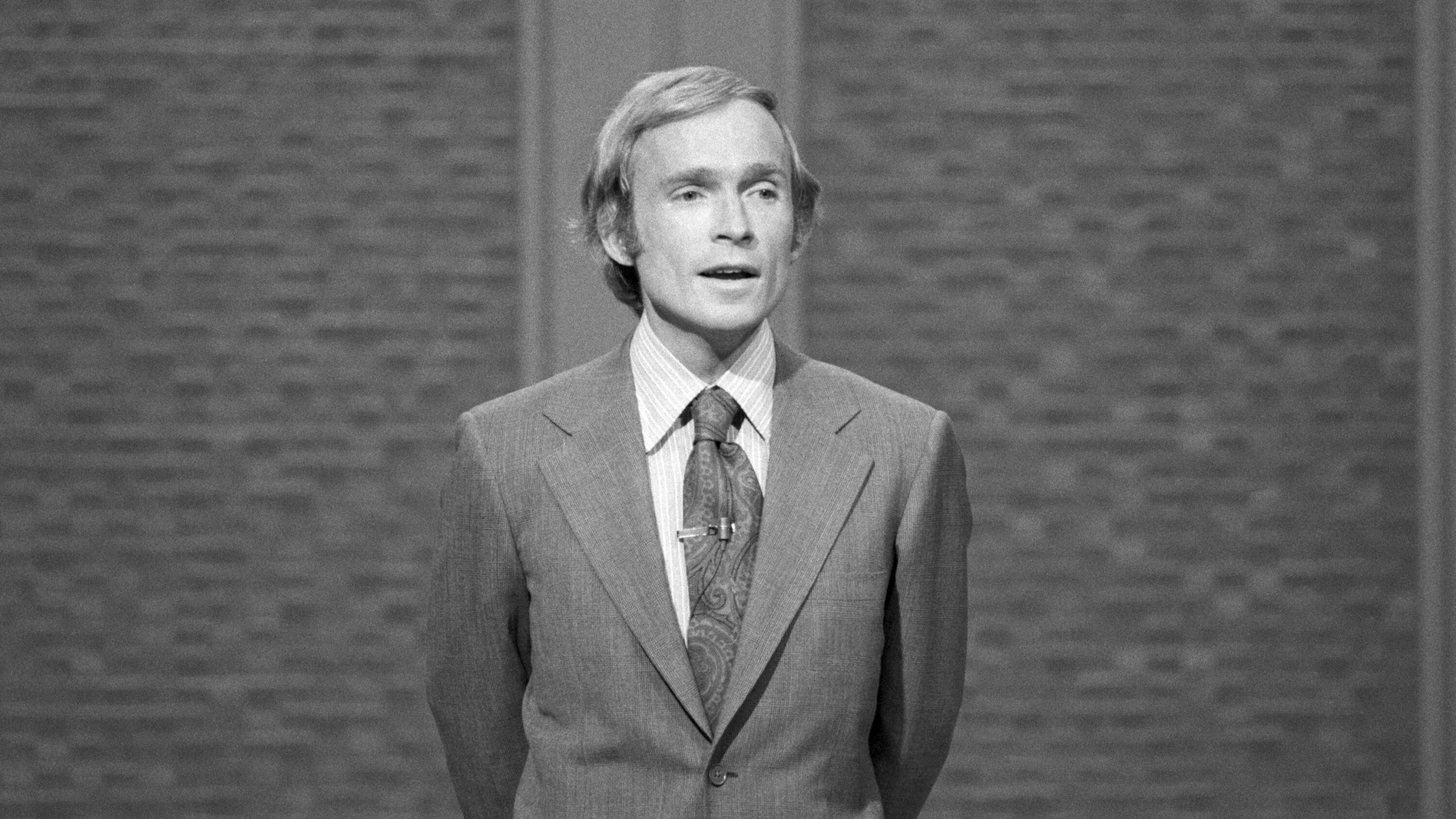
In 2016, a surprising conversation took place over dinner at Jeffrey Epstein’s Manhattan townhouse. Epstein, a financier with a checkered past, expressed interest in helping to finance a PBS documentary highlighting the illustrious career of talk-show host Dick Cavett. The project, envisioned as an installment of the acclaimed “American Masters” series, never came to fruition. Recently released Justice Department emails shed light on the events that led to its demise.
The Proposal: A New Documentary Idea Emerges
Introduced by mutual friend Woody Allen in 2012, Dick Cavett and Epstein exchanged friendly correspondence and attended several high-profile gatherings together. By 2016, Cavett’s wife, Martha Rogers, and a documentary producer were in talks with Epstein about funding a film that would chronicle Cavett’s enduring legacy. Rogers estimated the project’s budget at $500,000, sharing a detailed breakdown of costs and potential directors with Epstein. “So very happy to think there is more interest in making this happen,” Rogers wrote to Epstein, reflecting her optimism.
Background Checks and Red Flags
While the discussions progressed, Epstein was actively seeking to restore his reputation after a 2008 felony conviction for soliciting prostitution from a minor and serving a 13-month jail term. He leveraged philanthropy and cultivated relationships with celebrities and cultural institutions to reestablish his social circle. However, when WNET, the nonprofit producing “American Masters,” conducted a routine background check on Epstein, concerns quickly arose.
According to Kellie Specter, a spokesperson for WNET, the background check prompted the organization to decline Epstein’s involvement. The documentary was ultimately never produced due to these ethical concerns. “They said, ‘Martha, you don’t realize who this guy is,’” Rogers recalled. “There’s no way in the world that we can take any money from him.”
Epstein’s Pattern of Philanthropy
The Justice Department documents reveal that, despite Epstein’s criminal record, he remained an active donor in the arts and sciences. Between 2011 and 2017, he contributed at least $27,000 to the nonprofit behind the Gotham Awards, which celebrates independent film, and discussed even larger gifts. In another instance, Epstein donated $650,000 to a nonprofit producing “Closer to Truth,” a television series exploring science and philosophy. Some recipients, like Robert Kuhn, the series’ co-creator, later expressed regret over their association with Epstein, despite the funding enabling their projects to proceed.
A Storied Career Meets Controversy
At the time of these interactions, Dick Cavett was well beyond his television heyday but remained a respected figure in media. Known for his incisive interviews with luminaries such as Katharine Hepburn, Muhammad Ali, and Mel Brooks, Cavett’s last talk show ended in 1996, yet he continued to contribute to cultural discussions and media events.
Woody Allen, a longtime friend, regularly attended Epstein’s gatherings, sometimes accompanied by his wife, Soon-Yi Previn. Other notable guests at these salon-style meals included comedian Bobby Slayton, former Israeli Prime Minister Ehud Barak, and magician David Blaine. Cavett and Epstein’s relationship was cordial but not close, as evidenced by emails discussing everything from documentary funding to the food served at Epstein’s home. After enjoying a meal of coq au vin at Epstein’s home, Cavett was even sent the dish by Epstein’s staff as a gesture of goodwill.
Awareness and Regret
Despite knowing about Epstein’s past legal troubles, Martha Rogers explained that she and Cavett believed he had “paid his dues” and was attempting to move on. “What we knew at that time was that he had been prosecuted, he had been convicted and that he’d gone to prison,” Rogers said. The couple’s perception changed as more severe accusations surfaced and WNET made its stance clear, leading them to distance themselves from Epstein.
Rogers later reflected on how Epstein’s influential connections gave the false impression of rehabilitation. “He’s got a lot of really smart, interesting people around him, and you know, they can’t all be wrong,” she said. “But we all were.” The emails indicate that after 2017, there was little to no contact between Cavett and Epstein. In 2022, “American Masters” instead released a different documentary about Cavett’s relationship with Groucho Marx, with no involvement from Epstein.
The Broader Context
The Justice Department’s investigation, which culminated in Epstein’s 2019 indictment for running a sex-trafficking operation, revealed how he continued to associate with prominent figures in entertainment, science, and philanthropy even after his conviction. Epstein died by suicide in jail while awaiting trial later that year.
Ultimately, the story of the unmade Dick Cavett documentary highlights the complex intersections between philanthropy, reputation, and due diligence in the cultural world. It serves as a reminder of the importance of ethical considerations in creative collaborations and the lasting impact of past actions on present opportunities.
This article is inspired by content from Original Source. It has been rephrased for originality. Images are credited to the original source.