

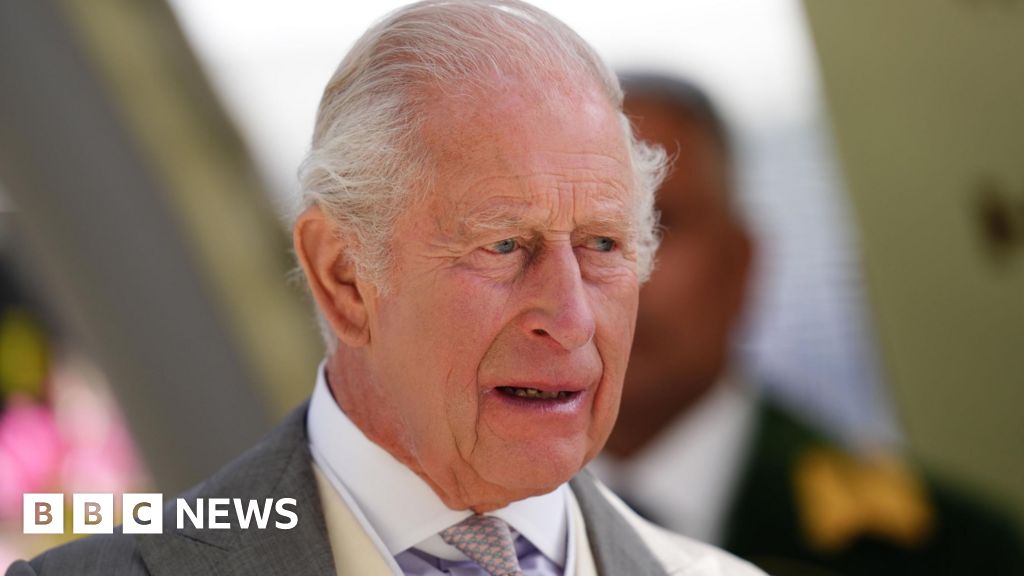
King Charles Breaks Tradition with Tax Transparency
King Charles has announced a groundbreaking move by revealing his personal tax bill, marking the first time a British monarch has taken such a step in modern history. This unprecedented act of transparency is set to become a regular feature in the annual royal financial accounts, signaling a significant shift towards greater openness about royal finances.
Buckingham Palace confirmed that the release of the King’s tax payments is part of a broader initiative to modernize the monarchy and foster increased public trust. A Palace spokesperson stated, “To put it simply, we continue to modernise and evolve,” underlining the commitment to annual publication of the monarch’s tax details.
Details of the King’s Tax Bill
The newly published figures will cover the tax year 2024-25 and detail taxes paid on income from various sources, including profits from the Duchy of Lancaster, personal investments, and private estate earnings such as those from Sandringham and Balmoral. This transparent disclosure is intended to provide the public with a clearer understanding of how royal finances are managed.
Although monarchs are not legally obligated to pay income tax, capital gains tax, or inheritance tax on assets passed from a previous monarch, King Charles has voluntarily chosen to pay income and capital gains tax on private assets. This move echoes the practices he followed as Prince of Wales, but it is the first time the total amount paid will be made public, including tax on the Duchy of Lancaster’s profits, which reached approximately £24 million last year.
Public Demand for Openness
Growing calls for transparency have intensified following controversies surrounding royal finances, particularly in the wake of the Andrew Mountbatten-Windsor scandals. Members of Parliament and the public have increasingly demanded greater clarity regarding royal spending and income streams. The decision to disclose the King’s tax bill reflects a broader shift in response to these demands and is aligned with current public sentiment favoring accountability in royal finances.
Royal Financial Report Expands
The King’s tax disclosure will be published alongside the annual Sovereign Grant report, which details public funding allocated to the Royal Household. The Sovereign Grant, which covers expenses such as staff salaries, building maintenance, and travel for official engagements, has reached a record £137.9 million this year, in part due to ongoing renovations at Buckingham Palace. However, a reduction in the Sovereign Grant is anticipated for the first time since its introduction in 2012, following a comprehensive review by the Treasury, Downing Street, and the Royal Household.
Parliament will soon have the opportunity to debate the Sovereign Grant as new legislation is brought forward. Increased scrutiny of royal finances is also expected from the Public Accounts Committee, which plans to investigate royal property holdings and leases managed by the Crown Estate. A recent National Audit Office report highlighted that Princess Beatrice and Princess Eugenie, daughters of Andrew Mountbatten-Windsor and not working royals, have benefited from properties at St James’s Palace and Kensington Palace, with their accommodation paid for from the King’s private income.
Commitment to Accountability
The Palace asserts that there is already robust Parliamentary oversight of the Sovereign Grant, but believes that disclosing personal tax information “can enhance this transparency still further” and is consistent with the monarchy’s public service priorities. By making the King’s tax payments public, the Royal Family aims to set an example of openness and accountability in the management of royal finances.
Looking Ahead
This landmark move by King Charles is expected to have a lasting impact on perceptions of royal finances. The annual publication of the monarch’s tax bill, combined with broader financial disclosures, signals a new era of transparency for the British Royal Family. As public interest and parliamentary oversight of royal spending continue to grow, this step is likely to encourage further modernization and trust between the monarchy and the people it serves.
This article is inspired by content from Original Source. It has been rephrased for originality. Images are credited to the original source.