

Introduction: Mega-Cap IPOs and Index Investing
The rise of mega-cap IPOs is making significant waves in the world of index investing, as major tech giants such as SpaceX, Anthropic, and possibly OpenAI prepare to go public. These anticipated listings are not just big financial events; they are set to reshape the composition and performance of leading stock indices worldwide. For both index providers and investors, the entry of such massive companies into the public markets presents new challenges and opportunities that could fundamentally alter investment strategies and market dynamics.
Major Tech IPOs on the Horizon
Privately held artificial intelligence (AI) leader Anthropic recently announced its confidential filing for an initial public offering (IPO) with the U.S. Securities and Exchange Commission (SEC). While details on share count and pricing remain undisclosed, Anthropic’s valuation soared to $965 billion following a substantial $65 billion fundraising round. Meanwhile, the SEC published SpaceX’s revised Form S-1, signaling the company’s readiness for the public market. Additionally, OpenAI is reportedly assembling underwriters for a potential September IPO, with its valuation hitting $852 billion, according to recent reports.
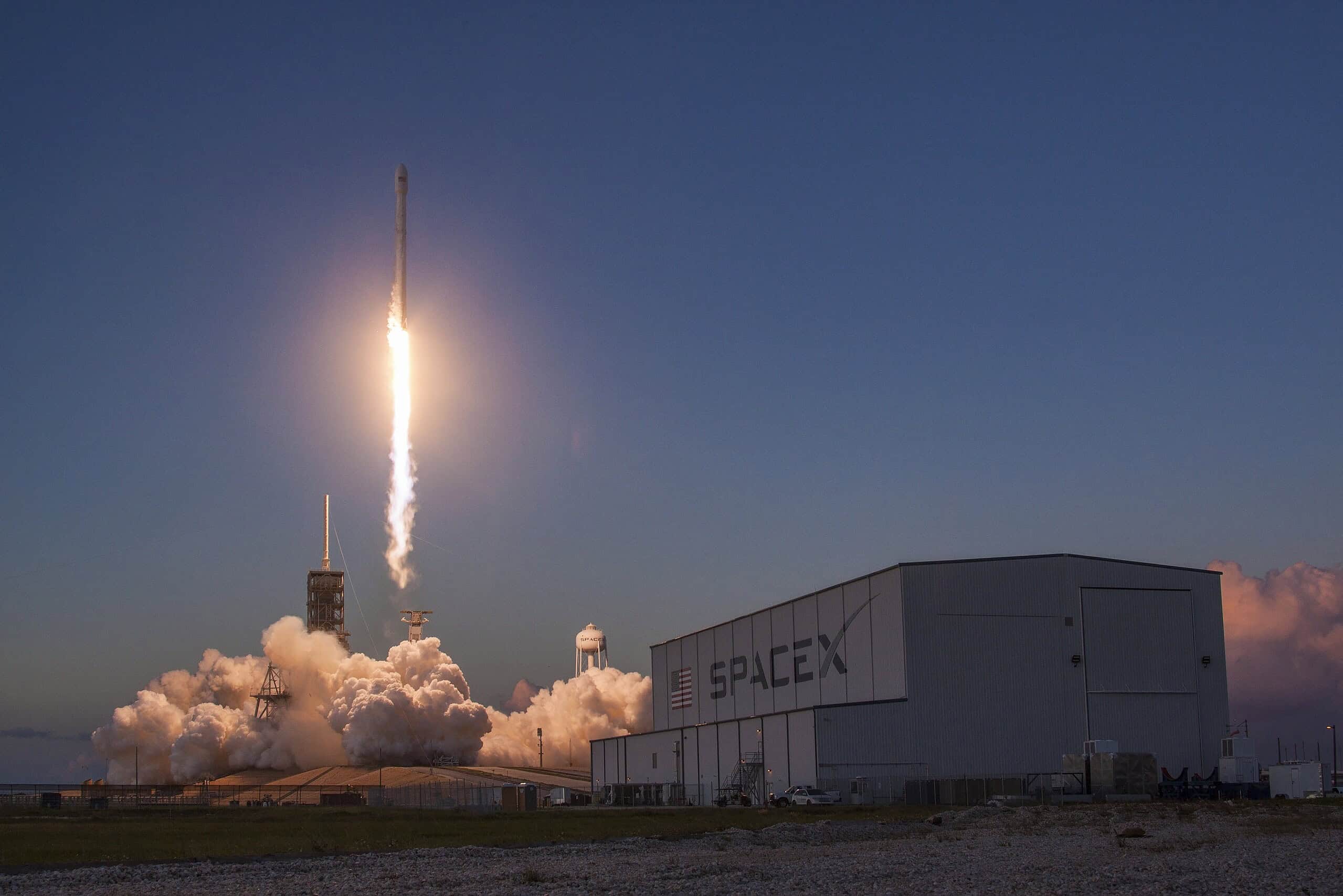
Such mega-cap IPOs are poised to rapidly become some of the largest publicly traded companies by market capitalization. For example, Wall Street expects SpaceX’s IPO to result in a market cap between $1.75 trillion and $2 trillion, immediately shaking up the Nasdaq-100 Index rankings and potentially displacing long-standing giants like Meta and Tesla from the top 10. Rumors of a SpaceX-Tesla merger only add to the speculation, with a combined entity potentially rivaling the likes of Apple, Alphabet, and Nvidia in scale.
Index Providers Face New Challenges
The inclusion of these tech titans in major indices is not a straightforward process. Index providers are grappling with the question of how quickly to add such companies, balancing the need for market representation with concerns over potential price dislocations. James Angel, associate professor at Georgetown University, highlights the dilemma: “Leaving out a mega-cap company means the index is not doing its job. It makes sense to include a big IPO fairly quickly.” However, rapid inclusion can create substantial volatility as massive inflows from index funds and ETFs drive up demand for newly listed shares.
To address these concerns, Nasdaq updated its methodology for the Nasdaq-100 Index earlier this year. The changes include quarterly index reconstitutions and the introduction of a “Fast Entry” pathway for new IPOs. If a new listing ranks among the top 40 companies by full market capitalization, it is evaluated on its seventh trading day and can be added shortly thereafter, provided it meets all liquidity requirements. Emily Spurling, Global Head of Index at Nasdaq Global Indexes, explains, “Fast Entry ensures the index can respond in a timely way when a company of significant scale enters the public market.”
Investor Impact: Mandatory Fund Purchases
The implications of mega-cap IPOs extend beyond index providers to investors, particularly those in index-tracking funds. For instance, SpaceX’s stock could see its most dramatic price movement not on its IPO day, but when it becomes eligible for inclusion in the Nasdaq-100 Index. According to analysts, index funds may be required to purchase $22 billion to $27 billion worth of SpaceX shares after a 15-day seasoning period, potentially causing sharp price fluctuations and liquidity challenges.
Other Indices Consider Rule Changes
While Nasdaq has moved swiftly to accommodate mega-cap IPOs, other index providers are weighing their options. S&P Dow Jones Indices is considering reducing its IPO seasoning period from 12 months to six months for mega-cap companies—those valued at $150 billion or more. This consultation period has just ended, and any changes are expected to take effect prior to June 8, 2026. These adjustments are designed to ensure that indices remain representative of the broader market, even as the landscape is transformed by the arrival of tech mega-caps.
Conclusion: The Future of Index Investing Amid Mega-Cap IPOs
The wave of mega-cap IPOs is set to reshape the world of index investing. As SpaceX, Anthropic, and OpenAI prepare for their public debuts, index providers are adapting rules to keep pace with these market-shifting events. Investors and fund managers alike must be prepared for unprecedented volatility and evolving strategies as these tech giants enter the public markets. The coming years promise to be a transformative period for index investing, driven by the unstoppable rise of mega-cap IPOs.
This article is inspired by content from Original Source. It has been rephrased for originality. Images are credited to the original source.