

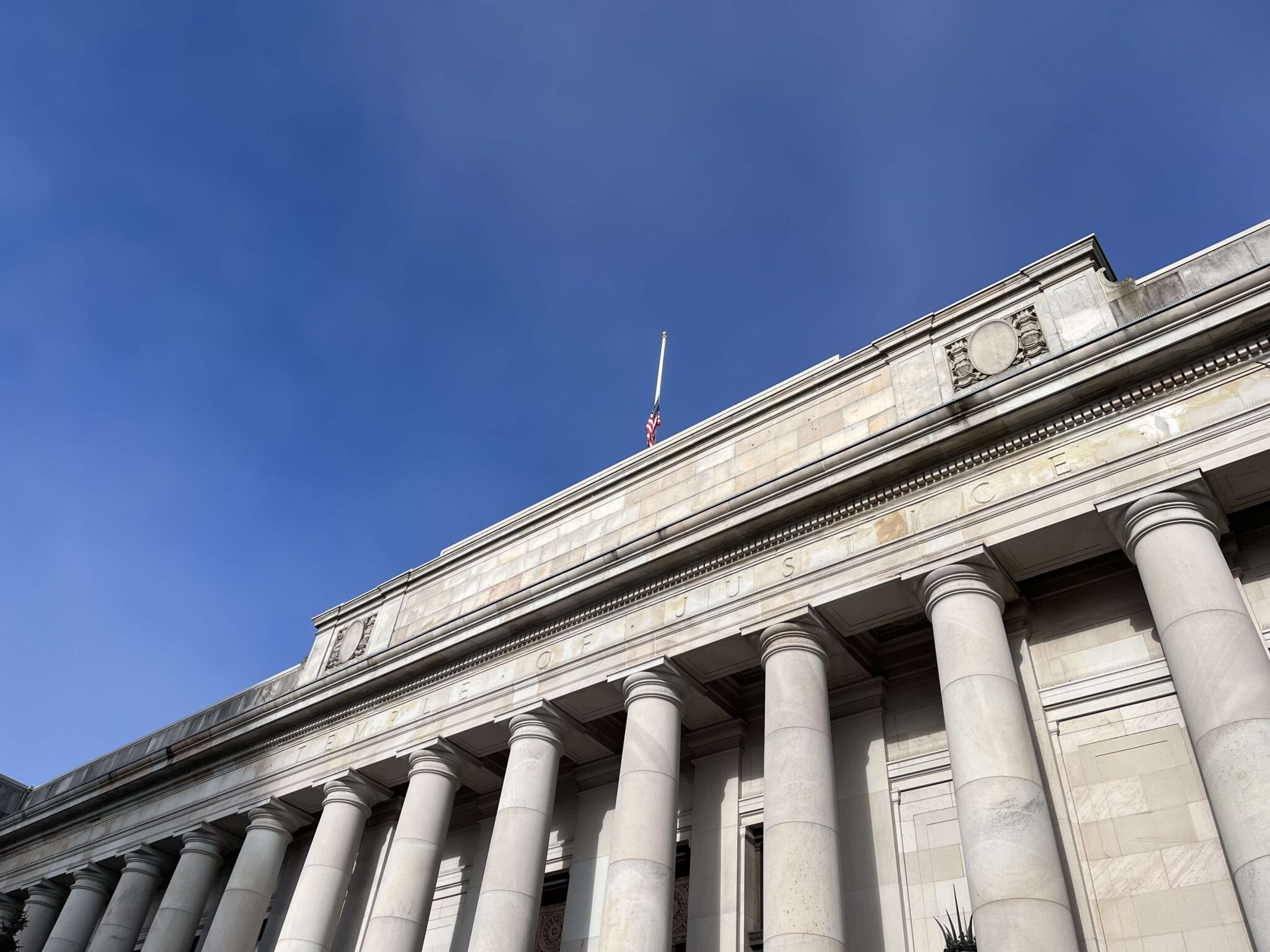
Washington Supreme Court Confirms Record Campaign Finance Fine
Meta, the parent company of Facebook, faces a historic $35 million campaign finance fine after the Washington Supreme Court upheld the penalty in a closely watched decision. The case, which has unfolded over several years, centers on Meta’s failure to comply with state campaign ad disclosure laws, a crucial issue in the era of digital political advertising.
Background: Meta’s Campaign Ad Records Scrutinized
The origins of the case date back to 2018 when Washington’s Attorney General first sued Meta for not providing required records related to digital political ads. At that time, Meta agreed to pay around $200,000 in damages. However, repeated violations prompted further legal action in 2020, with the state alleging that Meta had intentionally failed to disclose key information, such as ad sponsors, costs, and target audiences, in violation of the Fair Campaign Practices Act.
This law, enacted in 1973, requires companies like Meta to maintain and provide detailed records of political ads upon request. These rules aim to promote election transparency by allowing voters to see who is spending money to influence their decisions. The state argued that Meta’s continued non-compliance undermined the intent of the law, which is especially significant as digital campaign advertising spending continues to rise.
Legal Arguments: Free Speech Versus Transparency
Meta challenged the $35 million campaign finance fine, claiming that the state’s disclosure law was unconstitutional under the First Amendment. The company argued that the requirements reduced the amount of political speech available to the public and could lead to fewer digital ads, particularly harming smaller campaigns with limited resources. According to Meta, digital advertising is a powerful tool for upstart challengers to reach voters efficiently and cost-effectively.
Despite these arguments, the Washington Supreme Court upheld the fine in a split decision. Writing the lead opinion, Justice G. Helen Whitener characterized Meta as a “willful repeat offender with vast resources” that could comply with the law but chose not to. The justices did not reach a consensus on whether the penalty amount was excessive, but without a majority to overturn it, the $35 million fine stands.
Implications for Digital Political Advertising
The ruling is significant for both technology companies and the future of political advertising in Washington. Some platforms, including Google and Yahoo, have already stopped accepting political ads in the state out of concern for potential lawsuits under the disclosure law. Meta has maintained that the revenue from such ads does not outweigh the risks associated with compliance and potential legal battles.
However, enforcement of campaign finance laws is seen by the state as essential for maintaining election transparency. Justice Whitener emphasized that the purpose of disclosure is not to suppress political speech, but to ensure voters are informed about the sources of campaign spending. “Enforcing disclosure requirements is an essential tool the State has available to educate and keep the public informed about how billions of dollars are spent to influence their votes,” she wrote in the decision.
Split Opinions on the Supreme Court
The Supreme Court’s justices offered varied perspectives on the fine. Three agreed with the penalty, three believed it was incorrectly calculated, and three more felt it might be excessive, but without a majority, the lower court’s decision was affirmed. Justice Sheryl Gordon McCloud, in a dissenting opinion, argued that Meta’s actions did not merit the largest campaign finance fine in state history and raised concerns about the impact on First Amendment rights.
Meta, represented by former state Attorney General Rob McKenna, reiterated that the company is committed to freedom of expression and is currently evaluating the court’s decision. The company’s Ad Library includes some records required by law but has been found lacking in comprehensive disclosures.
Future of Campaign Finance Enforcement
Two-thirds of the collected fine is designated for a state transparency account, while the remaining third will cover attorney fees. The state attorney general’s office hailed the decision as a “major win for election transparency.” The outcome is likely to influence how other tech companies approach political advertising in Washington and may set a precedent for similar legal battles nationwide.
The focus on election transparency is expected to remain central as digital advertising continues to reshape political campaigns, highlighting the ongoing tension between regulatory compliance and free speech concerns in the digital age.
This article is inspired by content from Original Source. It has been rephrased for originality. Images are credited to the original source.