

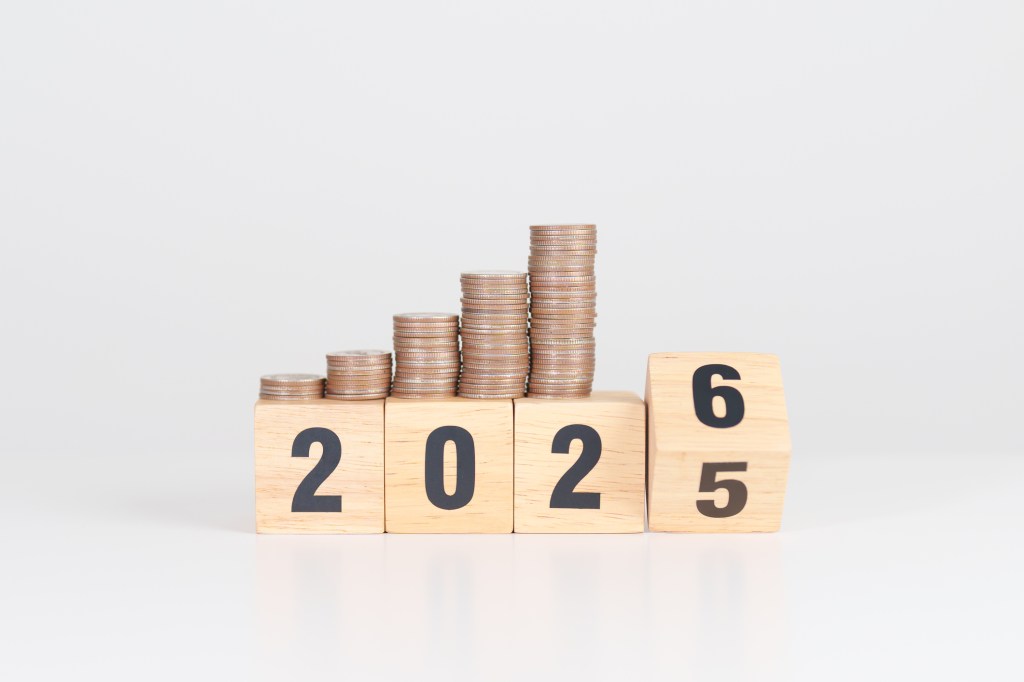
Facing Financial Reality in 2026
As a new year begins, many Americans are reassessing their financial goals in the face of a challenging economic environment. Experts Ilyce Glink and Samuel J. Tamkin have once again shared their annual personal finance resolutions, but this year brings a more somber tone. The economic backdrop of 2025 revealed a deepening affordability crisis that has reshaped how Americans live and plan for the future.
Inflation and Its Lingering Impact
Although inflation showed signs of slowing by the end of 2025—dropping to 2.7% in December from 3% in September—it remains above the Federal Reserve’s target of 2%. Skepticism around the data’s accuracy persists, particularly due to assumptions like zero housing inflation, which distorts the true cost of living for most households. Even with moderated inflation rates, years of rising prices have drastically altered affordability across the board.
One of the most alarming indicators is housing costs. Redfin reported that the median home price reached a record $446,000 in June 2025. The National Association of Home Builders noted that nearly 75% of U.S. households can no longer afford a median-priced home. The situation is exacerbated by data from the Atlanta Federal Reserve, which revealed that homeownership now consumes 47.7% of the median household’s income—well above the 30% affordability benchmark.
The Changing Face of Homeownership
As prices surge, many Americans are delaying their entry into the housing market. The median age for first-time homebuyers has now reached 40, up from 33 just five years ago, according to the National Association of Realtors. Even if some data sources, like the New York Federal Reserve, suggest a lower average of 36.3 years in 2024, the trend is undeniable: younger generations are being priced out of homeownership.
Widespread Financial Insecurity
Financial instability is no longer limited to low-income households. According to Bank of America, 24% of all American households lived paycheck-to-paycheck in 2025, allocating over 95% of their income to essential expenses like housing, food, and utilities. Among lower-income groups, this number climbed to 29%. Broader surveys estimate that between 60% and 67% of Americans now live paycheck-to-paycheck, depending on the definition used.
Weakening Job Market
The labor market also showed signs of strain. The national unemployment rate rose to 4.6% by November 2025, up from 4.2% a year earlier. The more comprehensive U-6 unemployment rate climbed to 8.7%, the highest since 2021. Black Americans faced the steepest hike, with unemployment reaching 8.3%—also the highest among all racial groups and a return to pandemic-era levels.
Long-term unemployment is especially concerning, with 25.7% of jobless Americans having been out of work for more than 27 weeks as of August 2025. This prolonged joblessness slows economic recovery and deepens the personal financial struggles of affected households.
Rising Debt and Borrowing Costs
Credit card debt hit unprecedented levels in 2025. Americans collectively owed $1.233 trillion in credit card debt by the third quarter, with the average individual balance at $7,886. With interest rates averaging over 20%, many consumers find it nearly impossible to manage their debt. Nearly half of all cardholders carry a balance month-to-month, and 22% of them believe they will never fully pay it off.
The Growing Threat of Financial Crime
As economic pressures mount, so do instances of financial crime. Cybercrime is projected to inflict $10.5 trillion in global damages in 2025. The FBI reported $16.6 billion in cybercrime losses in the U.S. in 2024 alone, an increase from $12.5 billion in 2023. Phishing, extortion, and personal data breaches top the list of reported incidents.
Small businesses are also feeling the pinch. More than 38% have raised prices to offset the costs of cyber incidents, contributing to what analysts now call a “hidden cyber tax” that’s silently adding to inflation.
Mortgage Fraud on the Rise
Mortgage-related fraud has also surged. According to Cotality’s National Mortgage Application Fraud Risk Index, the risk rose 8.2% year-over-year in the third quarter of 2025. About 1 in every 118 mortgage applications (0.85%) showed signs of fraud, up from 1 in 123 in mid-2024. Property value fraud alerts spiked 400% year-over-year due to declining home prices, and undisclosed real estate debt fraud rose by 9.1%.
The Need for Vigilance and Planning
As artificial intelligence makes fraud easier and law enforcement resources become stretched, individuals must take greater responsibility for securing their finances. Whether online or offline, personal financial safety has never been more critical.
In next week’s article, Glink and Tamkin will provide specific personal finance resolutions designed to help navigate this increasingly complex economic terrain.
This article is inspired by content from Original Source. It has been rephrased for originality. Images are credited to the original source.