

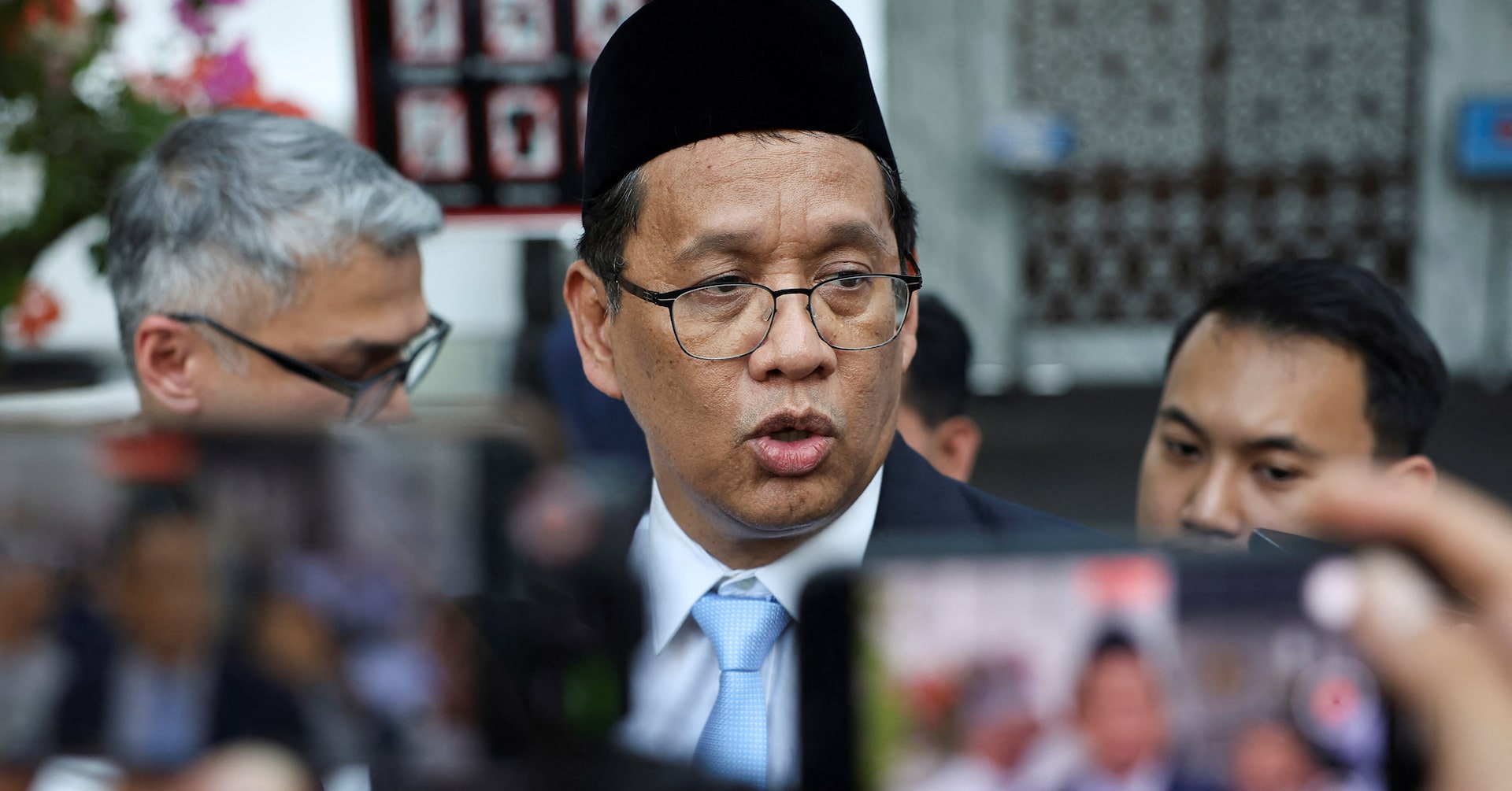
Purbaya Takes Charge Amid Economic Turbulence
Indonesia has appointed Purbaya Yudhi Sadewa as the new finance minister, replacing the widely respected Sri Mulyani Indrawati. The appointment, formalized on Monday at the Presidential Palace in Jakarta, surprised many observers and investors. Purbaya assumes the role during a time of economic uncertainty and public unrest, with high expectations to fuel growth and maintain fiscal stability.
Purbaya, 61, comes into office with a reputation for blunt assessments and unorthodox views. Just months before his appointment, he stirred controversy by dismissing the International Monetary Fund’s (IMF) economic outlook for Indonesia. He called the IMF “stupid” for projecting a modest 4.7% GDP growth for 2025, a forecast consistent with many analysts.
Economic Vision Aligned with Presidential Goals
President Prabowo Subianto, who comfortably won last year’s election, has ambitious plans to increase GDP growth to 8%—a rate Indonesia has not seen since 1995. Purbaya supports this vision, stating, “We will create a fiscal policy that has an optimal thrust for the economy. If you don’t spend, the economy doesn’t move.”
In his first statements after being sworn in, Purbaya acknowledged the recent nationwide protests, sparked initially by legislative allowance issues and later fueled by broader grievances over government spending. He described the unrest as “the voice of a small part of our people” and expressed confidence that public dissatisfaction would subside as his policies began to take effect.
Replacing a Respected Predecessor
Purbaya’s predecessor, Sri Mulyani Indrawati, held the finance minister post for several years and earned accolades for her fiscal prudence and successful tax reforms. Her departure raises concerns about the government’s commitment to fiscal responsibility, especially given President Prabowo’s pledges for expansive welfare programs, including free meals for 83 million children and pregnant women.
“Sri Mulyani’s exit marks the end of an era of fiscal credibility,” said Mohit Mirpuri, a fund manager at SGMC Capital. Her legacy includes maintaining budget discipline and leading the country through multiple global economic challenges without accumulating excessive public debt.
Challenges Ahead for Purbaya
Among Purbaya’s most pressing challenges is winning over skeptical investors and restoring public trust. Economists warn that while growth is essential, the government must avoid undermining fiscal discipline or the independence of institutions like the central bank.
There’s speculation that Prabowo may attempt to repeal the legal ceiling of a 3% budget deficit relative to GDP—a safeguard introduced following the late 1990s Asian financial crisis. When asked about this, Purbaya responded, “I am a fiscal expert, so I fully understand what a prudent fiscal policy is like.”
Josua Pardede, chief economist at Bank Permata, noted, “He must also restore public confidence. Taxpayers are disillusioned after seeing their contributions fund unproductive spending, such as excessive allowances for parliament members.”
From Engineer to Economist
Purbaya’s academic and professional background is as eclectic as his views. Originally trained in electronics engineering at the Bandung Institute of Technology, he later earned a master’s and doctorate in the United States from Purdue University. His early career began as a field engineer at Schlumberger Overseas SA, now known as SLB.
His transition into economics started in 2000 when he joined Danareksa, a state-owned financial firm. He led Danareksa Securities until 2008 and later took on various government roles. Most recently, he served as head of the Indonesia Deposit Insurance Corporation since 2020.
Those who have worked closely with him describe him as meticulous and growth-oriented. Herman Saheruddin, a former colleague at the deposit insurer, said, “He has a clear vision and is very pro-growth. He always scrutinizes the numbers thoroughly.”
Promoting Inclusive Economic Growth
In a speech on August 20, Purbaya emphasized the importance of equitable development to achieve social justice. He referenced the economic philosophies of Prabowo’s father, Soemitro Djojohadikoesoemo, a former minister and economist. “To achieve high growth, we must focus on strengthening household purchasing power, boosting domestic investment, and enhancing productivity in real sectors,” he said.
As he steps into this pivotal role, Purbaya faces the dual task of accelerating economic growth while maintaining investor confidence and public trust. His performance will be closely watched as Indonesia navigates a complex economic landscape.
This article is inspired by content from Original Source. It has been rephrased for originality. Images are credited to the original source.