

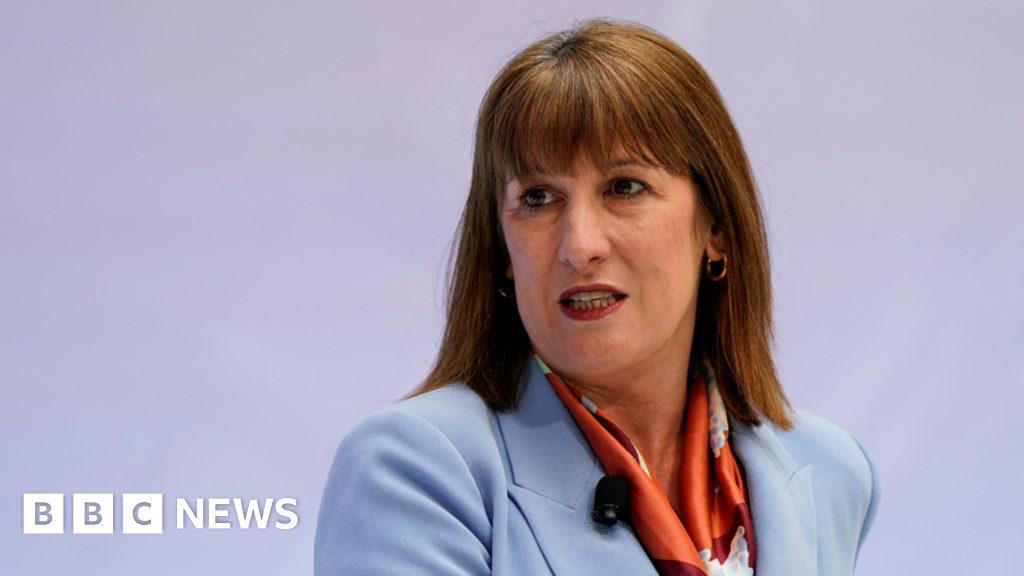
Rachel Reeves Faces Tough Financial Decisions
Chancellor Rachel Reeves finds herself in a challenging position as the government’s financial cushion diminishes. Initial plans to save £5 billion in welfare costs by 2029-30 are now significantly undermined following concessions on welfare reforms. Combined with a reversal on the Winter Fuel Allowance, the government’s £10 billion fiscal buffer is nearly exhausted.
With the Autumn Budget approaching, Reeves must now navigate a difficult economic landscape. Here are the five key options available to her to restore fiscal balance.
1. Wait and Hope for Economic Growth
One approach is to adopt a wait-and-see strategy, hoping that the UK economy will outperform projections and that debt interest payments will fall naturally. However, this is a precarious path. The Office for Budget Responsibility (OBR) has already halved its 2024 growth forecast to just 1%, citing economic headwinds and global uncertainties.
While the UK recently secured a trade deal with the United States under former President Donald Trump, which reduced tariffs in some sectors, unresolved issues like the steel export agreement still pose risks. Banking on economic surprises could backfire, leaving the government exposed to further financial strain.
2. Identify New Areas for Savings
Reeves recently unveiled a Spending Review that awarded significant funding increases to the NHS and defence, but other departments faced cuts or modest gains. Asking those departments to now find additional savings would not only be disruptive but could also damage the government’s credibility.
Moreover, the potential removal of the two-child benefit cap—an initiative Labour leader Sir Keir Starmer has shown interest in—would cost an estimated £3.5 billion. This adds further pressure on Reeves to identify alternative sources of savings.
3. Altering Fiscal Rules
In theory, Reeves could change the fiscal rules she introduced upon becoming Chancellor. These include funding day-to-day spending through taxation and ensuring that debt falls as a proportion of national income over five years. However, she has consistently labeled these rules as “non-negotiable”.
Altering these self-imposed constraints might undermine market confidence, especially after the fiscal instability caused by Liz Truss’s mini-budget in 2022. A loss of market trust could lead to higher borrowing costs, exacerbating the UK’s financial woes.
4. Reduce Frequency of Economic Assessments
The OBR currently publishes two major reports yearly—during the Autumn Budget and the Spring Statement. The International Monetary Fund (IMF) has suggested reducing this to a single annual report to promote policy stability and lessen scrutiny over the government’s fiscal headroom.
By limiting the scope of the Spring Statement to an economic update rather than major tax or spending announcements, Reeves could avoid triggering an OBR assessment. This might provide some breathing room, though it risks reducing transparency and accountability.
5. Raise Taxes or Prolong Tax Threshold Freeze
Labour has pledged not to increase taxes for what it describes as “working people,” ruling out hikes in Income Tax, VAT, and employee National Insurance contributions. However, Reeves has limited options left to replenish government funds.
One potential move is to extend the current freeze on tax thresholds beyond its planned end in April 2028. If maintained until the next general election, this could generate nearly £7 billion in additional revenue. While technically not a tax hike, it would increase the tax burden on individuals whose pay rises push them into higher brackets.
Despite the political sensitivity, this measure could offer a substantial financial boost at a time when other revenue-generating options are politically unpalatable.
Conclusion: Limited Levers in a Tight Fiscal Space
Rachel Reeves is walking a fiscal tightrope. With fewer options and growing demands on public spending, the Chancellor’s ability to maneuver is increasingly constrained. Whether she opts to wait out the economic uncertainty, find new savings, or subtly adjust tax policies, each choice carries significant risks and consequences.
As the Autumn Budget nears, all eyes will be on Reeves to see whether she can navigate these financial challenges while maintaining public trust and governmental stability.
This article is inspired by content from Original Source. It has been rephrased for originality. Images are credited to the original source.