

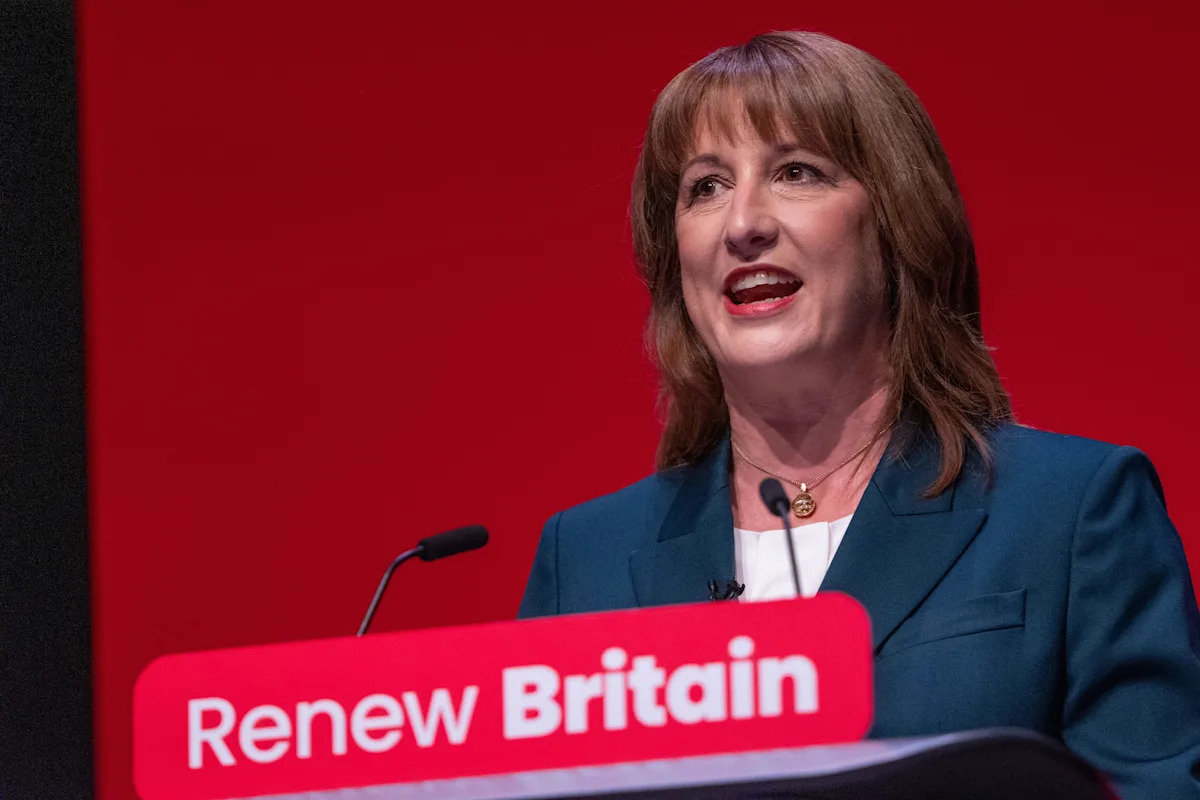
Rachel Reeves Unveils Ambitious Tax Overhaul
Chancellor Rachel Reeves is set to introduce a significant series of tax reforms aimed at stimulating economic growth and addressing long-standing fiscal challenges. These changes signal a new direction for the government as it seeks to balance public finances while investing in key sectors of the economy.
The upcoming budget is expected to feature a comprehensive restructuring of the tax system, with an emphasis on fairness, economic productivity, and long-term sustainability. Reeves has indicated that these reforms are necessary to ensure the UK’s financial stability amid global uncertainty and domestic pressures.
Focus on Business Growth and Investment
One of the central pillars of the new tax strategy is to promote business investment. Reeves plans to introduce incentives that will encourage companies to invest in innovation, infrastructure, and workforce development. The Chancellor believes that by supporting private sector expansion, the government can foster job creation and boost national productivity.
“We need a tax system that rewards ambition and enables businesses to thrive,” Reeves stated during a recent interview. “Our goal is to create an environment where investment is not only encouraged but rewarded.”
Adjustments to Income Tax and National Insurance
As part of the reforms, the Chancellor is expected to make modifications to income tax thresholds and National Insurance contributions. These changes aim to provide relief for lower and middle-income earners while ensuring that the wealthiest contribute a fair share.
The government is contemplating a freeze or potential reduction in National Insurance rates, which could increase take-home pay for millions. However, Reeves has emphasized the importance of maintaining adequate revenue to support public services, such as health and education.
Green Taxation and Environmental Commitments
In line with the UK’s climate objectives, the budget will include measures to promote environmental sustainability through green taxation. New levies may be introduced to discourage carbon-intensive activities, while tax breaks could be offered for companies investing in clean energy and sustainable practices.
“We must align our economic policies with our environmental responsibilities,” Reeves commented. “Green taxation is not just about generating revenue; it’s about shaping a cleaner, more resilient economy.”
Crackdown on Tax Avoidance and Evasion
A significant part of the tax overhaul will involve strengthening compliance and enforcement mechanisms. Reeves intends to crack down on tax avoidance and evasion, particularly among large corporations and high-net-worth individuals. This initiative is expected to generate billions in additional revenue over the coming years.
The budget will allocate funds to expand HM Revenue & Customs’ capabilities, improve data analytics, and enhance international cooperation on tax matters.
Implications for the Property Market
The Chancellor is also reviewing taxation in the property sector, including potential reforms to Stamp Duty and Capital Gains Tax. These adjustments aim to make the housing market more accessible for first-time buyers and reduce speculative investment that drives up prices.
Changes to property tax could redefine the landscape for homeowners and investors, with the government seeking to balance affordability with fiscal responsibility.
Public and Political Reactions
Initial reactions to the proposed tax changes have been mixed. Business leaders have generally welcomed the emphasis on investment and innovation, while some economists have expressed concerns about the impact on consumer spending and inflation.
Opposition parties have called for more details on how the reforms will be implemented and scrutinized their potential impact on public services. However, Reeves remains confident that the budget will deliver a fairer and more dynamic economy.
A New Economic Vision
Rachel Reeves’ budget marks a pivotal moment in the UK’s economic policy-making. By tackling structural inefficiencies and promoting inclusive growth, the Chancellor aims to lay the foundation for long-term prosperity.
As the budget is formally presented in Parliament, all eyes will be on the measures’ effectiveness in addressing the country’s fiscal and economic challenges. The success of Reeves’ vision will likely shape the political and economic landscape for years to come.
This article is inspired by content from Original Source. It has been rephrased for originality. Images are credited to the original source.